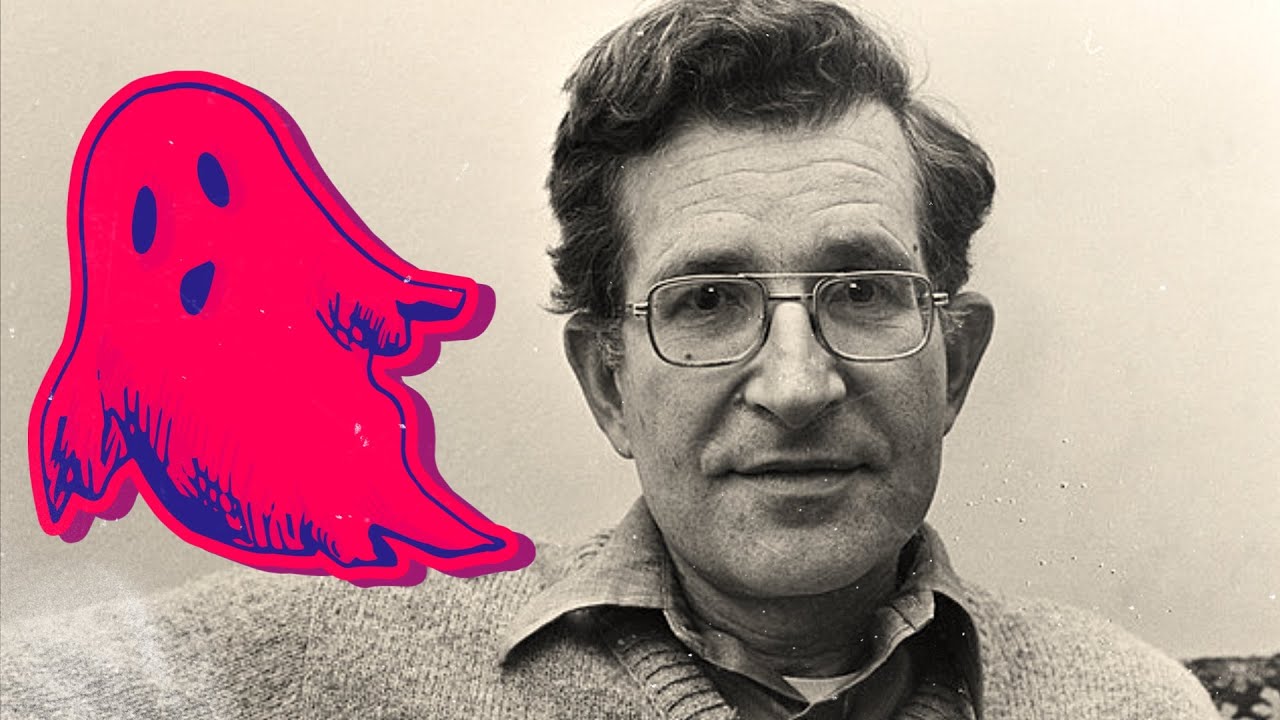
In this podcast episode, the hosts interview Noam Chomsky, who critiques large language models for their inability to truly understand language, arguing that they only identify superficial patterns rather than grasping the underlying principles of language. Chomsky emphasizes the importance of innate cognitive structures in human language acquisition and creativity, challenging current paradigms in cognitive science and highlighting the need for deeper exploration of these concepts.
In this episode of the podcast, the hosts express their excitement about interviewing Noam Chomsky, a towering figure in linguistics and cognitive science. They discuss the emotional journey they undertook to create the episode, including the challenges they faced with recording issues that led to a corrupted audio file. Despite these setbacks, they were determined to recover the interview and present it to their audience, showcasing Chomsky’s insights on language, cognition, and the limitations of current AI technologies.
Chomsky critiques large language models, asserting that they have achieved nothing significant in understanding language. He argues that these models merely identify superficial patterns in data without grasping the underlying principles of language. He emphasizes the importance of understanding the structure and rules that govern language, which he believes cannot be captured by statistical methods alone. Chomsky’s perspective highlights the need for a deeper exploration of the cognitive processes involved in language acquisition and use.
The discussion also touches on the philosophical implications of language and cognition, particularly the “hard problem” of consciousness and the nature of thought. Chomsky suggests that human cognition is not merely a product of empirical learning but is rooted in innate structures that allow for creativity and the generation of novel ideas. He contrasts this with the limitations of connectionist approaches, which he believes fail to account for the complexity and richness of human language.
The hosts and Chomsky delve into the relationship between universal grammar and the language of thought, with Chomsky asserting that the former is fundamental to understanding human cognition. He argues that while there are many theories of semantics, the focus should be on uncovering the innate principles that govern language. This exploration is seen as crucial for advancing the field of cognitive science and understanding the unique capabilities of human beings.
In conclusion, the episode encapsulates a profound conversation about the nature of language, cognition, and the limitations of current AI models. Chomsky’s insights challenge the prevailing paradigms in cognitive science and emphasize the need for a deeper understanding of the innate structures that underpin human thought and language. The hosts express their gratitude for the opportunity to engage with Chomsky and reflect on the significance of the conversation in the broader context of scientific inquiry and philosophical exploration.