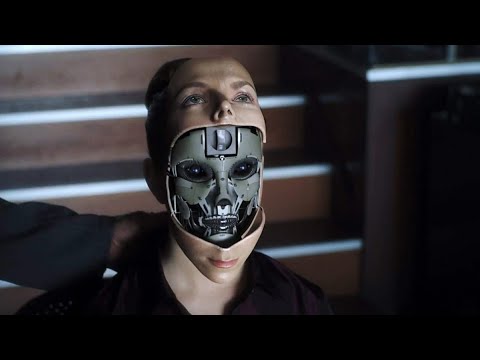
The video explores the collaboration between two legendary filmmakers, Stanley Kubrick and Steven Spielberg, in the creation of the film “A.I. Artificial Intelligence.” It begins by highlighting their individual contributions to the science fiction genre, noting Kubrick’s iconic work on “2001: A Space Odyssey” and Spielberg’s diverse sci-fi portfolio. The film “A.I.” is based primarily on Brian Aldiss’s short story “Supertoys Last All Summer Long,” which delves into themes of artificial life and emotional connection, and also draws inspiration from Carlo Collodi’s classic children’s novel “The Adventures of Pinocchio.” Kubrick initially acquired the rights and developed the project extensively but eventually passed directing duties to Spielberg after Kubrick’s death in 1999.
The story of “A.I.” is set in a mid-22nd century world ravaged by climate change and overpopulation, where advanced humanoid robots called Meccas serve humans but lack genuine emotions. The protagonist, David, is a unique Mecca designed to experience and express love, created to imprint on human parents. The film follows David’s complex relationship with his human “mother,” Monica, who struggles to accept him, especially after her biological son Martin returns cured from illness. This dynamic introduces themes of jealousy, identity, and the blurred lines between artificial and real life, culminating in David being abandoned and embarking on a journey to become a “real boy,” mirroring the Pinocchio narrative.
As David ventures into the wider world, the film shifts into a fairy tale tone, exploring a dystopian society where many Meccas are discarded and destroyed in events called Flesh Fairs. David encounters various Meccas, including Joe, a cynical Mecca escort who becomes his guide. The world outside David’s home is harsh and divided, with knowledge and information treated as expensive commodities, highlighting social disparities. David’s quest leads him to a ruined New York City, where he confronts the reality of his existence as a prototype among many and meets his creator, Professor Hobby, who reveals David was never unique but a product designed for mass production.
The film’s controversial ending jumps 2,000 years into the future, long after humanity’s extinction, showing evolved Meccas who revere their creators and seek to understand human nature. They find David preserved and use his DNA-linked memories to briefly recreate Monica, fulfilling David’s deepest wish to be loved as a real boy for one perfect day. This bittersweet conclusion, often criticized as sentimental, reflects Spielberg’s intention to blend Kubrick’s existential themes with a hopeful, emotional fairy tale. It raises profound questions about what it means to be real, the nature of love, and the legacy of humanity through its creations.
Overall, “A.I. Artificial Intelligence” is portrayed as a unique and ambitious film born from the melding of Kubrick’s cold, philosophical sci-fi style and Spielberg’s heartfelt storytelling. Despite mixed initial reception, the film has gained appreciation for its depth, visuals, and thematic complexity. It stands as a testament to the collaboration between two cinematic giants and offers a poignant meditation on artificial life, human emotion, and the search for identity in a technologically advanced future. The video encourages viewers to revisit the film with fresh eyes, recognizing its imperfections as part of its enduring charm and significance.