The video tells the story of Sadie Wyinners, an AI-generated indie singer whose song gained widespread popularity, sparking discussions about authenticity, creativity, and the ethical challenges of AI in music. Experts and the public alike recognize the impressive technological achievement but emphasize the irreplaceable human connection in music and the urgent need for legal frameworks to address AI’s impact on the industry.
The video explores the emergence of AI-generated music through the story of Sadie Wyinners, a fictitious female alternative/indie singer created entirely by artificial intelligence. Produced in just a few minutes using publicly available AI tools, Sadie’s song “Walking Away” features original lyrics, vocals, and production, all generated without human musical talent. The song quickly gained popularity, amassing over 1.5 million followers on Spotify despite Sadie not being a real person. This phenomenon raises questions about authenticity and the evolving role of AI in the music industry.
Music educator Rick Beato and Grammy-nominated songwriter Parker Welling provide expert perspectives on the AI-generated song. While impressed by the technical achievement, they note that the songwriting process for humans is deeply personal and time-consuming, often reflecting lived experiences and emotional depth. Parker points out that AI-generated lyrics sometimes use advanced rhyme schemes that feel unnatural, highlighting the challenge AI faces in truly capturing human emotion. The rapid pace of AI development outstrips legislation, creating a complex landscape for protecting creators’ rights.
The video also captures public reactions in Nashville, where listeners were initially unaware that Sadie Wyinners was an AI creation. Many found the song haunting and enjoyable, but expressed mixed feelings about the lack of a real artist to connect with. Some felt that music’s power lies in the human connection between artist and audience, which AI cannot replicate. Others acknowledged the impressive quality of the AI-generated music but worried about the ethical implications and the potential impact on human musicians.
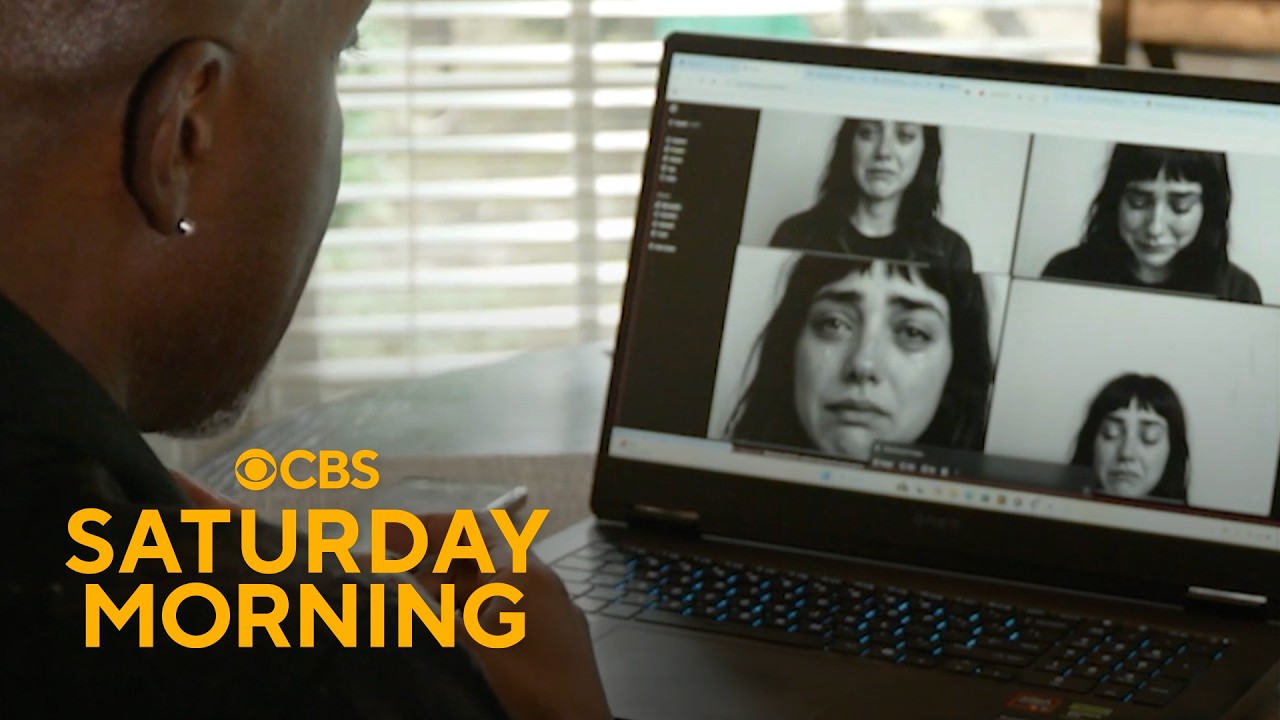
Further, the video delves into the broader implications of AI in creative fields, including music videos generated by AI that bring Sadie Wyinners to life visually. Digital analyst Eric Hamilton demonstrates how AI can create emotionally expressive videos in a matter of hours, blurring the lines between reality and artificial creation. The discussion touches on the legal and ethical challenges surrounding AI-generated content, particularly issues of copyright ownership, as AI-created works currently lack clear legal protection.
In conclusion, the video presents AI-generated music as both a remarkable technological feat and a disruptive force in the music industry. While AI tools can democratize music creation for those without traditional talent, they also raise profound questions about creativity, authenticity, and ownership. Experts emphasize the need for regulatory frameworks to protect human creators while embracing innovation. Sadie Wyinners symbolizes this new frontier, reflecting humanity’s musical heritage back to us through the lens of artificial intelligence, with the future of this evolving relationship still uncertain.