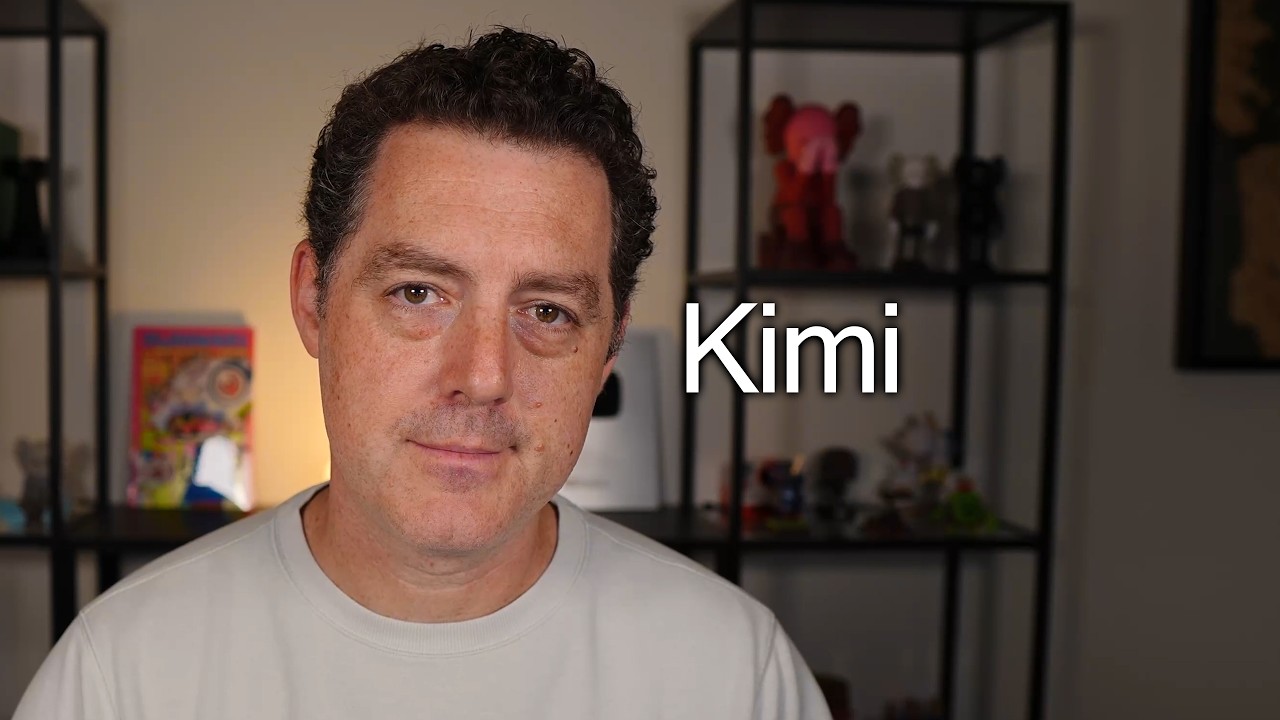
Last week, a groundbreaking AI model called Kimmy K3 was released by a Chinese company, marking a significant milestone in AI development. With 2.8 trillion parameters and a million-token context window, Kimmy K3 rivals top models like ChatGPT and Claude. Unlike the predominantly closed-source AI models from U.S. companies such as OpenAI and Anthropic, Kimmy K3 is open-source and freely available, signaling that Chinese AI has caught up to Western counterparts. This open-source approach has strategic implications, prompting discussions in the U.S. government about potentially banning such Chinese models.
Open-source AI differs fundamentally from closed-source models in that the former openly shares its architecture, training data, algorithms, and safety measures, allowing global access and collaboration. China’s strategy of subsidizing and freely distributing AI models aims to establish ecosystem control by making their technology the standard worldwide. This approach leverages a “scorched earth” business tactic—offering competitive AI for free to undercut rivals’ profit margins. Historical examples like Linux and Android demonstrate how open-source projects can dominate markets and set global standards, benefiting the broader technology ecosystem.
The rise of open-source AI models like Kimmy K3 challenges the dominance of a few closed-source frontier labs, which currently hold high profit margins and control over the AI stack. Experts argue that a monopolistic AI landscape, dominated by a handful of companies, stifles innovation and harms startups reliant on these platforms. In contrast, open-source fosters competition, driving down costs and encouraging innovation across the AI infrastructure, including chips, data centers, and developer tools. This dynamic benefits end users and the broader AI ecosystem by making AI more accessible and affordable.
Despite these benefits, concerns remain about the risks posed by open-source AI, especially regarding cybersecurity and regulation. Open-source models can be used without stringent identity verification or guardrails, potentially enabling malicious actors. U.S. officials have expressed worries about the competitive disadvantage posed by restrictive policies on American AI labs while Chinese models operate with fewer constraints. Some policymakers advocate for regulatory measures that create uncertainty around Chinese AI use without outright bans, aiming to protect national security without stifling innovation.
Finally, debates continue over the ethics and legality of “distillation attacks,” where Chinese AI labs allegedly extract data from closed-source models like ChatGPT to train their own systems. While this raises intellectual property concerns, the open nature of internet data complicates the issue. The speaker advocates for embracing open-source AI, emphasizing its role in fostering competition, reducing concentration of power, and driving innovation. They recommend cautious but open engagement with Chinese AI models and call for removing unnecessary restrictions on U.S. AI labs to maintain a healthy, competitive AI landscape.