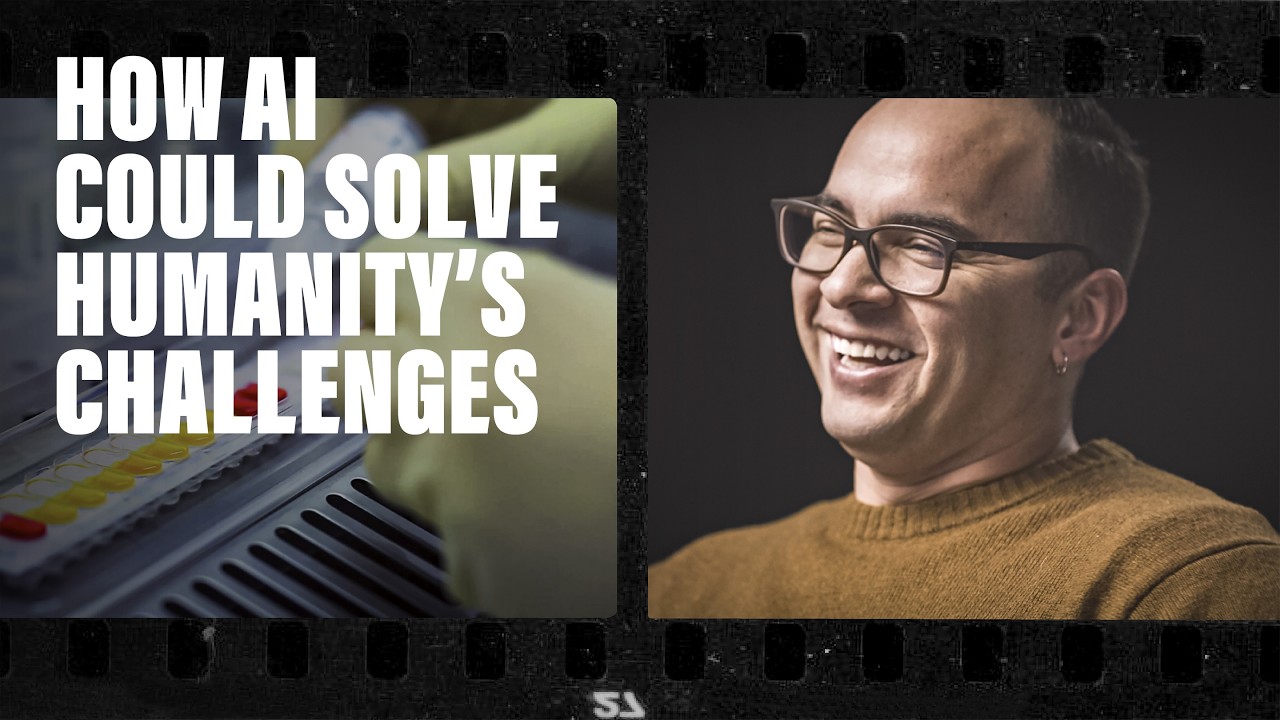
César Ramírez-Sarmiento, a protein engineer based in Santiago, Chile, introduces the fascinating world of proteins, which are macromolecules composed of 20 different amino acids. These amino acids, represented as letters, connect like beads on a string to form various three-dimensional structures. The shape of a protein dictates its function, enabling it to perform diverse biological roles such as digesting food, transporting ions for neural signals, and regulating gene expression. Proteins are essentially the workhorses of cells, acting as a versatile toolbox that supports cellular life.
Proteins have evolved over millions of years to perform essential functions, but when it comes to addressing urgent global challenges like plastic contamination, carbon dioxide emissions, and health issues, natural evolution is too slow. Protein engineering aims to accelerate this process by altering the amino acid sequences of proteins to enhance their properties. This can be achieved through experimental or computational methods, effectively giving nature a “push” to create improved proteins tailored for specific needs.
Artificial intelligence (AI) has revolutionized protein design in recent years, enabling breakthroughs that were previously unimaginable. Before AI, the success rate of designing functional proteins was less than one percent, meaning that out of 100 designed sequences, only one might work. With AI, this success rate has increased dramatically to around 10 to 20 percent, significantly improving the efficiency and effectiveness of protein engineering. AI allows scientists to design new protein structures with bespoke functions to tackle a wide range of problems.
César shares his personal journey, highlighting his early interest in the arts and later shift to science, driven by a desire to contribute meaningfully to society. He emphasizes that both art and science are creative fields, and AI serves as a powerful tool for innovation in scientific research. His vision for the future includes building a strong community of protein engineers in Latin America, fostering collaboration to address region-specific challenges. He stresses the importance of educating the next generation of scientists in the region to harness AI for protein design.
Finally, César envisions exploring new protein compositions beyond what nature has created, navigating uncharted territories of protein sequences and structures. This exploration holds the potential to discover novel proteins capable of solving some of humanity’s most pressing problems. By coming together as a community, scientists can achieve greater impact than working individually, pushing the boundaries of protein engineering to create innovative solutions for global and local issues.