The video explains that getting hired as a software developer in the AI era requires genuine coding skills, practical experience, and adaptability, rather than relying on certificates, generic portfolios, or overusing AI tools without understanding. The speaker emphasizes the importance of networking, learning full-stack development, and demonstrating openness to AI, while advising candidates to focus on real abilities and apply before feeling fully ready.
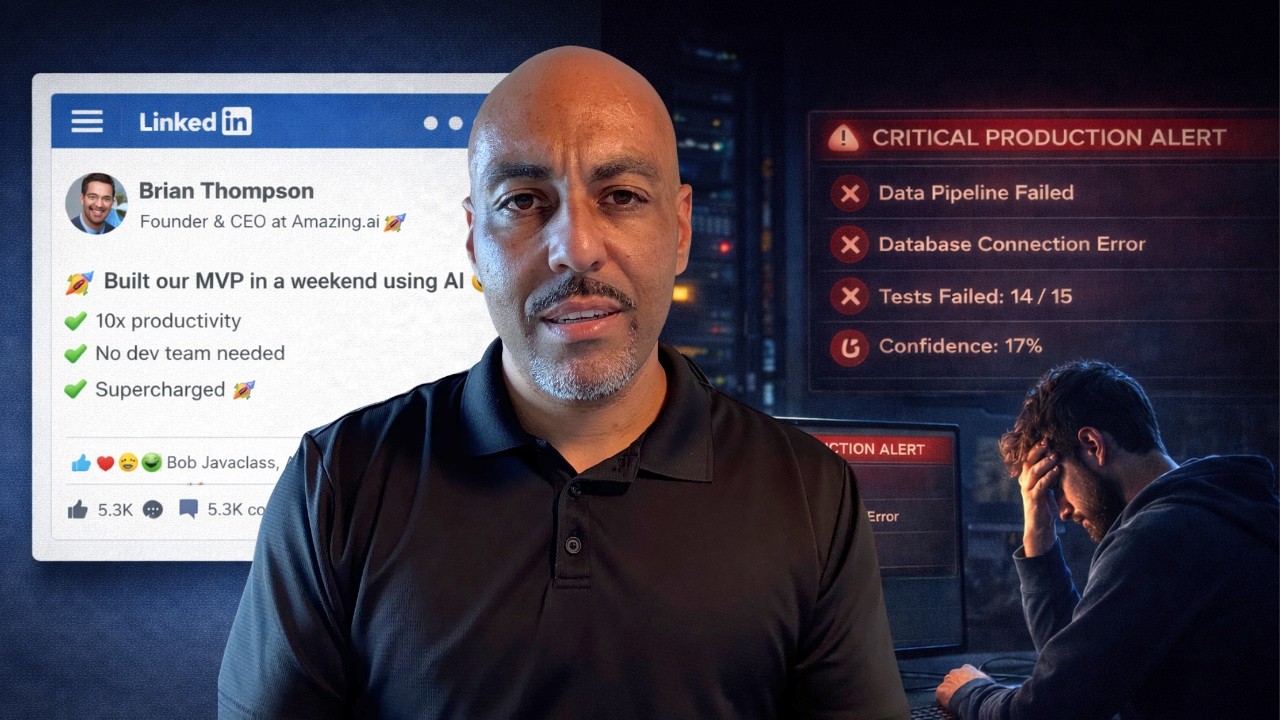
The video discusses how the hiring landscape for software developers has dramatically changed in the era of AI. The speaker notes that while there are more software jobs available now than two years ago, it has become harder to get hired due to the influx of AI-generated applications and interviews. He emphasizes that the traditional advice found on platforms like LinkedIn is often unhelpful, and instead shares eight “harsh truths” based on his own experience and mentorship.
First, the speaker warns against “vibe coding,” which is relying on AI tools like ChatGPT to write code without understanding it. He stresses that genuine skill and understanding of your tech stack are essential, especially as AI becomes more integrated into development workflows. Developers must be able to make informed decisions, identify good versus bad code, and understand the implications of their work. He advises beginners to avoid using AI tools until they have a solid grasp of coding fundamentals.
Second, he argues that certificates and badges, especially from lesser-known bootcamps or online courses, are largely irrelevant for most software roles. Employers care more about demonstrated ability during interviews than about credentials. In some cases, listing too many certificates can even harm your chances by signaling the wrong things to recruiters. Instead, he suggests focusing on building real skills and minimizing potential biases in your application.
Third, the speaker challenges the value of traditional portfolio projects, stating that they rarely influence hiring decisions. While building projects is useful for learning, he recommends using AI tools to quickly create visually appealing portfolios if needed, as recruiters who ask for them are often non-technical. He also notes that once you have professional experience, portfolios become largely unnecessary.
Finally, he highlights the importance of being a full-stack developer, as front-end-only roles are declining. He encourages developers to learn backend basics and deploy full-stack applications. He also debunks the myth of “AI productivity” but advises candidates to be familiar with AI tools and to present themselves as open to AI in interviews. Networking is emphasized as the most effective job search strategy, especially for those outside traditional tech hubs. The speaker concludes by urging viewers to apply before they feel ready, leverage their networks, and consider adding advanced AI skills to stand out in the current job market.