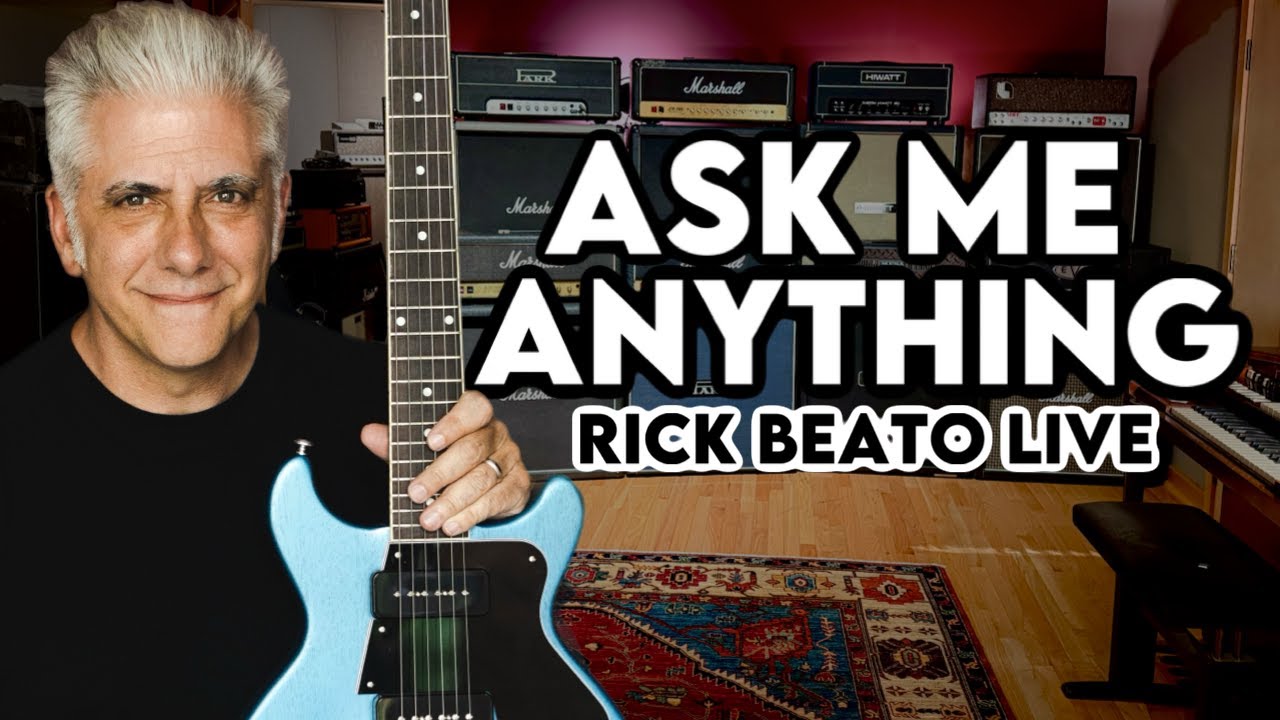
In this video, Rick Beato shares updates about his recent activities and upcoming events after a four-week break from live streaming due to extensive travel, including a significant trip to the UK. He announces two upcoming US tour dates for his live show, where he breaks down songs, tells stories, and interacts with the audience. These shows will take place at Vanderbilt University’s Blair School of Music on September 11th and at the Presidio Theater in San Francisco on September 25th. Additionally, he reveals plans for a European tour starting at the end of October, with stops in cities like Oslo, Stockholm, Helsinki, Berlin, London, and Dublin, where he will also conduct interviews.
Rick highlights a major Labor Day sale on his six music courses, offering them all for $109, which is a significant discount from the usual price. These courses cover a wide range of topics, including music theory for songwriters, ear training, guitar techniques, arpeggios, and intermediate guitar lessons. He emphasizes that these courses are designed to help musicians improve their skills and that the sale supports his ability to create free content and conduct interviews without relying on ad reads.
He shares exciting news about recent and upcoming interviews with legendary musicians and producers. Notably, Rick conducted a three-hour interview with David Gilmour in the UK, discussing his gear, playing style, and songwriting. He also secured an impromptu interview with Glenn Johns, a renowned producer and engineer who worked with iconic artists like The Beatles, Led Zeppelin, and The Rolling Stones. Rick mentions other interviews with notable figures such as Joe Perry, Brad Whitford, Les Claypool, Matt Pinfield, Andy Wallace, and Nick Raskulinecz, highlighting the depth and variety of content he is producing.
Rick addresses questions from viewers about music theory, practice habits, and the influence of AI on music creation. He discusses the prevalence of seventh chords in classic rock and soul music, the challenges of motivating kids to practice, and the resurgence of 90s music among younger audiences. He also talks about his recent media appearances discussing AI-generated music, explaining how he used various AI tools to create songs and the limitations of AI in truly understanding music’s emotional and creative aspects.
Towards the end, Rick reflects on his diverse musical background, encouraging music students to explore various genres and disciplines to enrich their understanding and creativity. He talks about the importance of broad musical knowledge, from classical to jazz to rock, and how this foundation has contributed to his success. He also touches on the challenges of copyright claims on YouTube and the importance of supporting creators through course purchases. Finally, he invites viewers to attend his live shows, subscribe to his channels, and stay tuned for upcoming videos and interviews.