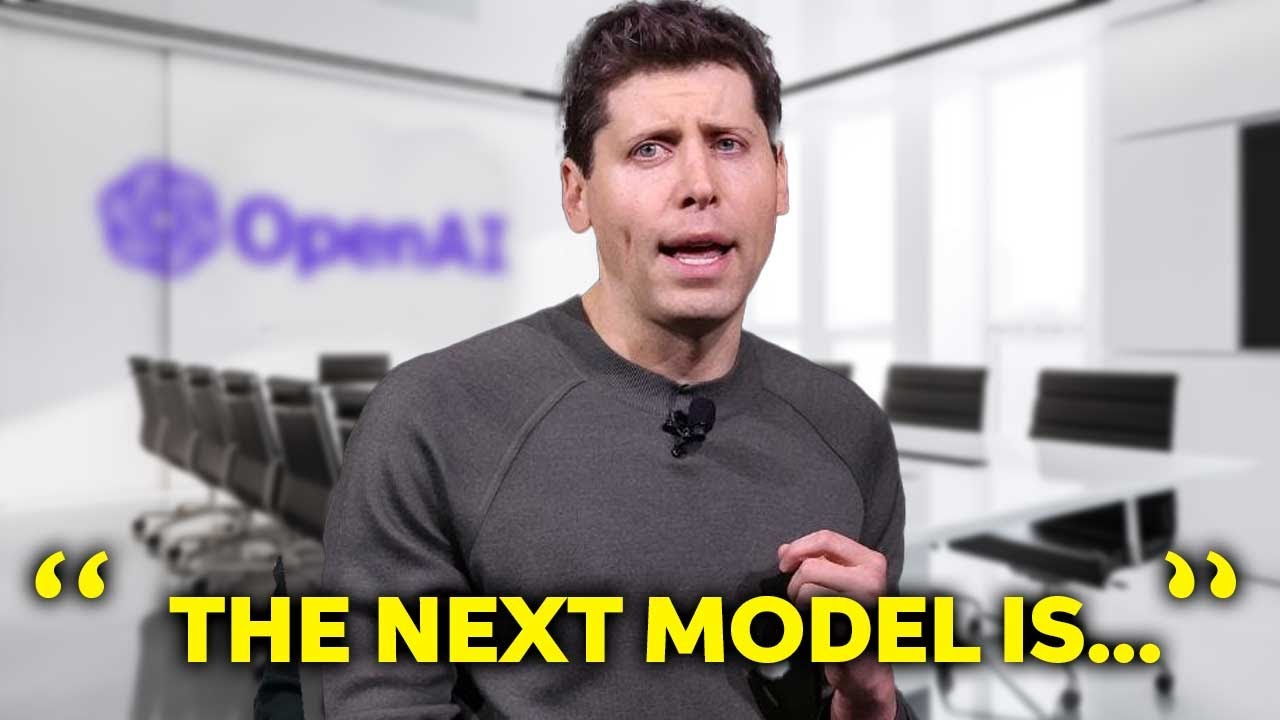
In a recent webinar, the OpenAI team introduced the new 01 series of AI models designed for long-term reasoning and complex tasks, alongside the existing GPT series for general-purpose applications. They discussed upcoming features such as web browsing and image processing, and hinted at dynamic model routing to enhance user experience and efficiency in interactions with AI.
In a recent webinar, the OpenAI team discussed the future of their AI models, particularly focusing on the newly introduced 01 series alongside the existing GPT series. This marks a significant shift in their model development strategy, as they now have two distinct series catering to different use cases. The 01 series is designed for long-term reasoning and complex tasks, while the GPT series remains a more general-purpose model for everyday applications. This dual approach is expected to enhance the capabilities of AI, allowing for more specialized applications in various fields.
The webinar highlighted the integration of OpenAI’s product and research teams, which ensures that each model release brings new features and improvements. The latest model in the GPT series is GPT-4, while the 01 series is being developed to address specific challenges and use cases. OpenAI plans to continue releasing models in both series, indicating a commitment to evolving their technology to meet diverse customer needs. The discussion also touched on the anticipated updates and features that will enhance the functionality of these models.
One of the key points discussed was the potential for new capabilities in the upcoming models, including web browsing, file uploading, and image processing. The team emphasized that the GPT-4 model, despite its current limitations, was initially designed as an omnidirectional model capable of handling various input types. Future updates are expected to unlock more functionalities, such as video summarization, 3D object synthesis, and audio processing, which could significantly broaden the applications of these models in real-world scenarios.
The webinar also explored the importance of understanding the evolving capabilities of these models for business and content creation. As OpenAI continues to innovate, the potential for models to handle complex tasks, such as transcribing audio or generating 3D renderings, could provide valuable tools for users across different industries. The discussion highlighted the need for users to stay informed about these advancements to leverage the technology effectively in their respective fields.
Finally, the OpenAI team hinted at the future direction of their models, including the possibility of dynamic model routing, where the system would automatically select the most appropriate model based on the user’s query. This would streamline the user experience and enhance the efficiency of interactions with the AI. As OpenAI prepares to finalize the 01 series and continue developing the GPT series, the anticipation for more intelligent and capable models remains high among users and industry observers alike.