The video explores the parallels between transformative technologies of the past, such as the printing press and the atomic bomb, and the current rise of artificial intelligence (AI). It highlights the story of Demis Hassabis, co-founder of DeepMind, who is likened to the “Oppenheimer of the AI era” for leading a groundbreaking yet potentially dangerous scientific endeavor. The narrative emphasizes the dual nature of AI as both a monumental scientific achievement and a technology with significant risks, drawing comparisons to the Manhattan Project and the need for careful governance akin to nuclear non-proliferation efforts.
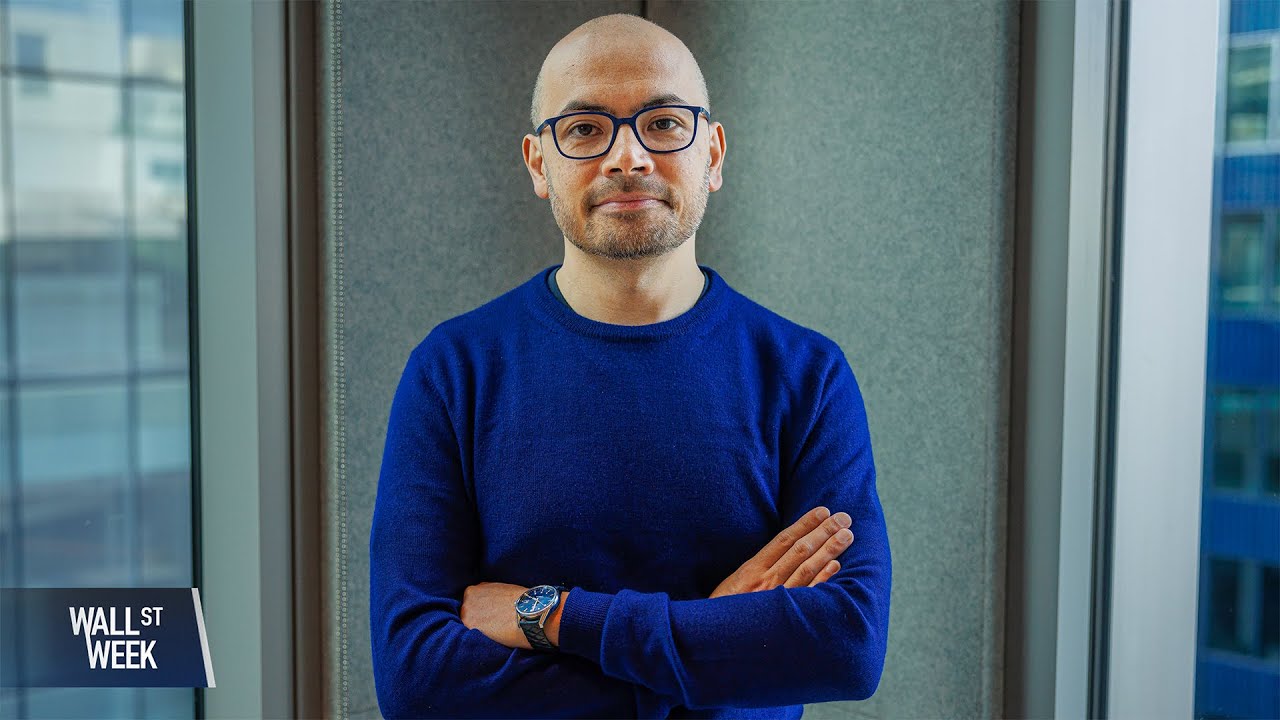
Sebastian Mallaby, author of “The Infinity Machine,” provides insight into the motivations driving key AI figures. While Hassabis is driven by deep scientific curiosity and a spiritual quest to understand reality, others like Mark Zuckerberg, Elon Musk, and Sam Altman are motivated by commercial interests, power, and ambition. This mix of motivations fuels intense competition in the AI field, exemplified by the rivalry between DeepMind and OpenAI, with the latter’s ChatGPT disrupting DeepMind’s long-standing leadership and igniting a fierce battle for dominance.
The discussion also addresses the commercial realities of AI development, noting the enormous financial costs involved in acquiring talent, computing power, and infrastructure. Despite the scientific aspirations, AI remains heavily commercialized, with tech giants investing billions but struggling to translate spending into clear business models. This tension is further complicated by corporate governance challenges, as efforts to implement safety oversight and ethical frameworks within profit-driven companies face resistance and practical difficulties.
On the regulatory front, Mallaby advocates for stronger government intervention to ensure AI safety. He proposes the creation of a well-resourced national AI regulatory body, similar to the Food and Drug Administration, with the authority to evaluate and potentially veto AI models before release. Additionally, he calls for increased public funding for AI alignment research to ensure AI systems align with human values, and stresses the importance of international cooperation to establish common safety standards, especially given the global nature of AI development and the involvement of countries like China.
Ultimately, the video underscores the urgent need to learn from history, particularly the atomic age, to manage the risks posed by powerful new technologies. As AI continues to evolve rapidly, balancing scientific progress, commercial interests, and safety concerns will be critical. The story of AI’s rise is framed as a high-stakes race where the decisions of its creators and regulators will shape humanity’s future, highlighting the importance of vigilance, governance, and collaboration to prevent potentially catastrophic outcomes.