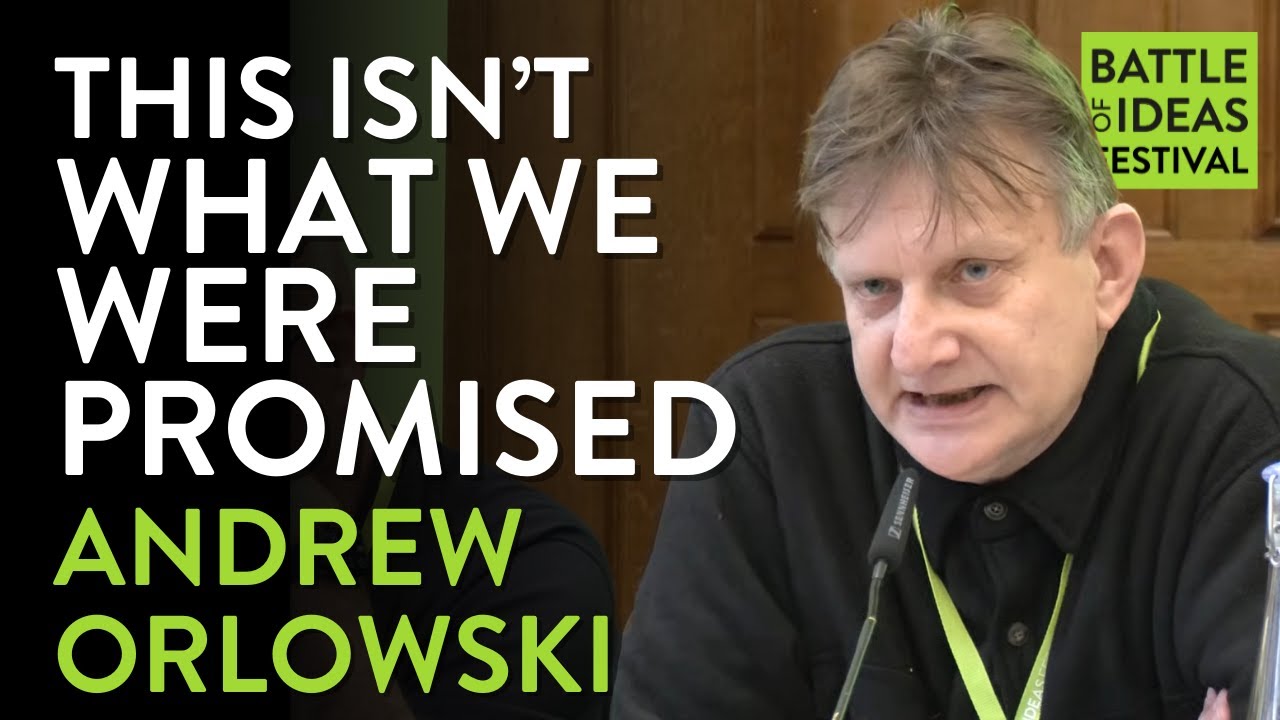
In his talk at the Battle of Ideas 2024, Andrew Orlowski critiques generative AI, highlighting its potential to exploit human gullibility and create a facade of productivity in the workplace, which may lead to a culture of deception. He expresses skepticism about the long-term viability of these technologies, urging a critical examination of their implications and the need for a reality check regarding their promised benefits.
In his talk at the Battle of Ideas 2024, Andrew Orlowski discusses the pitfalls of generative AI, emphasizing the complexities and challenges it presents in the workplace and society. He begins by reflecting on the nature of human gullibility and how generative AI exploits this vulnerability. Orlowski draws parallels between the sophistication of AI technologies and the social engineering tactics used in various contexts, suggesting that many users fail to critically interrogate the technology they engage with. He expresses a mix of fascination and concern regarding the implications of AI in our lives.
Orlowski then shifts focus to productivity, arguing that the current understanding of productivity metrics is flawed. He highlights the shift in the UK economy from manufacturing to services, noting that this transition has led to a significant number of jobs that do not contribute meaningfully to productivity. He cites the increase in managerial roles and the prevalence of employees who are technically employed but not actively working, suggesting that many organizations are not measuring idle time or unproductive labor effectively.
He raises a critical point about the introduction of generative AI tools, which can enable employees to appear busy without actually being productive. Orlowski references Microsoft’s marketing of its co-pilot tool, which promotes the ability to multitask and produce presentations quickly, questioning the actual productivity gains from such tools. He warns that these technologies may reward deceitful behavior in the workplace, creating a moral dilemma about the impact on honest and hardworking employees.
Orlowski further explores the sociological implications of generative AI in corporate environments, suggesting that the dynamics between managers and employees will play a crucial role in determining productivity outcomes. He argues that many managers may prioritize the appearance of having more employees over actual productivity, leading to a culture where tools for deception are normalized. This raises questions about the future of work and the effectiveness of generative AI in enhancing productivity.
In conclusion, Orlowski expresses skepticism about the long-term viability of generative AI, citing concerns about its lack of a solid business model and the potential fallout from its implementation. He references comments from Salesforce CEO Marc Benioff, who criticized the effectiveness of AI tools and the data management issues they create. Orlowski emphasizes the need for a reality check regarding the promises of AI, warning that the externalities and cleanup costs associated with these technologies may outweigh their benefits. He positions himself as a realist rather than a pessimist, urging a critical examination of the technologies that are increasingly shaping our lives.