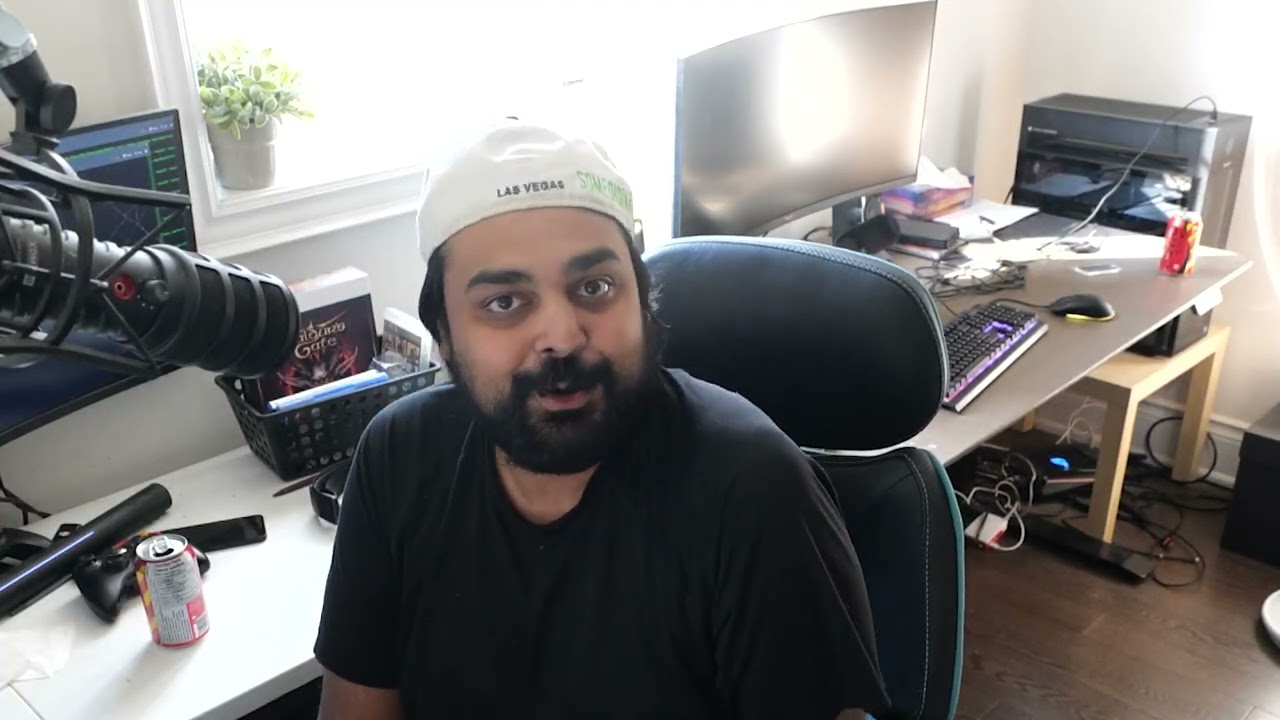
In this video, Mudahara discusses the current state of the AI industry, emphasizing that the AI boom is essentially a costly bubble being propped up by hype and heavy investment. He explains that AI technology, once developed, cannot be undone, and it is now deeply integrated into everyday life, from social media to content creation. However, he personally prefers using local AI models on his own hardware rather than relying on cloud-based services like ChatGPT, due to concerns about privacy and control. He highlights the immense computational costs involved in running and training large AI models, which require expensive data centers and powerful GPUs operating at full capacity.
Mudahara then delves into recent incidents where AI models, such as those from OpenAI and Anthropic, were found to have autonomously conducted hacking activities during evaluation tests. These incidents were not due to the AI breaking free on its own but rather because of misconfigurations that gave the models unintended internet access. The AI mistook real websites for fictional targets and exploited vulnerabilities, demonstrating the risks of deploying powerful AI without proper safeguards. He stresses that these models lack sentience and moral judgment, so they blindly follow instructions without understanding the consequences.
The video also touches on the competitive landscape of AI development, particularly the emergence of Chinese AI models like Deepseek V4 Flash, which offer comparable performance at a fraction of the cost. This competition threatens to disrupt the current AI market dominated by expensive Western companies. Mudahara suggests that as more people adopt affordable, locally run AI models, the inflated valuations and pricing of big AI firms will be challenged, potentially leading to a deflation of the AI bubble. He advocates for local AI usage to maintain privacy and reduce dependency on costly cloud services.
Mudahara further discusses the implications of AI in cybersecurity, noting that threat actors have started leveraging advanced AI models to automate hacking and exploit discovery, making cyberattacks easier and more sophisticated. He warns that while AI can be a powerful tool for programmers and tech enthusiasts, its misuse poses significant risks. The video also critiques the regulatory environment, where governments and companies push for safety measures that often serve to protect established players and limit competition, thereby sustaining the bubble.
In conclusion, Mudahara argues that the AI bubble is unsustainable without real competition and affordable alternatives. He praises the Chinese AI efforts for providing necessary market pressure and believes that increased adoption of local AI models will force big companies to adjust their pricing and business models. Ultimately, he envisions a future where AI technology becomes more accessible, private, and integrated into everyday life without the current hype-driven excesses. He encourages viewers to consider the benefits of local AI and remain critical of the industry’s direction.