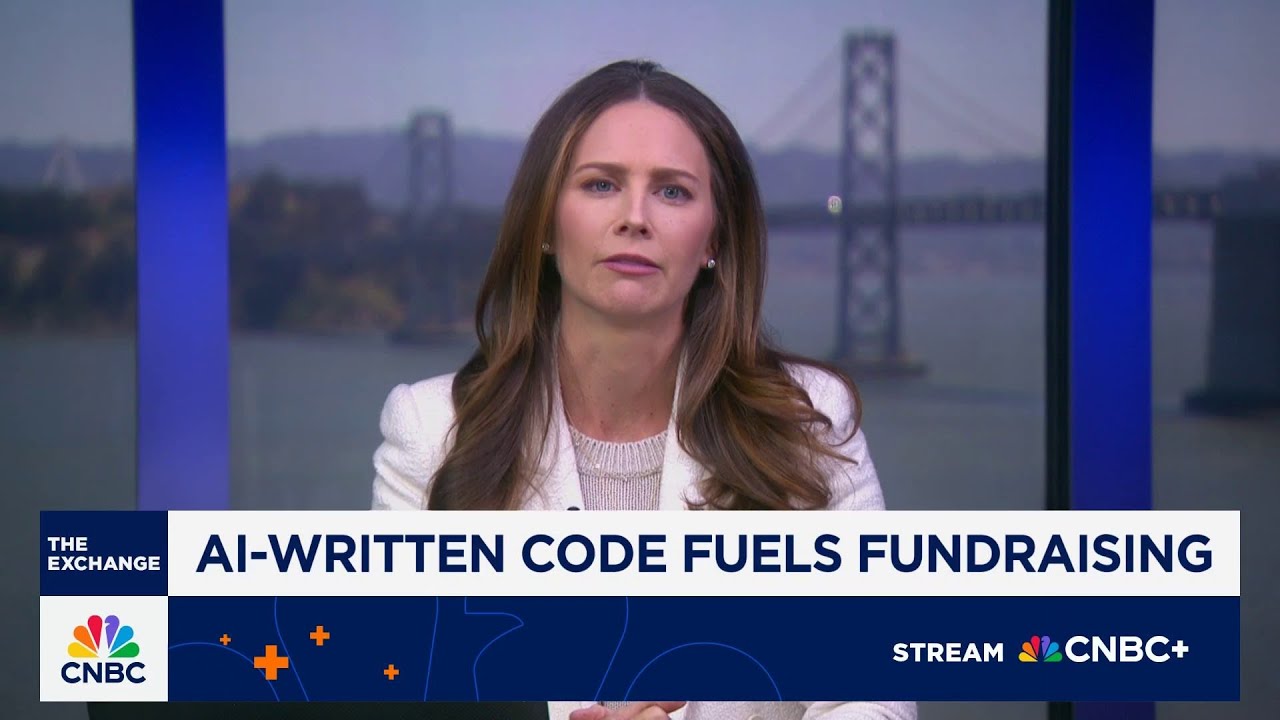
The video explains how “vibe coding,” an AI-assisted approach to software development, is rapidly gaining popularity, allowing developers to generate code through prompts rather than traditional programming. Major tech companies like Microsoft, Amazon, and Meta are increasingly integrating AI into their coding processes, potentially transforming the future of software creation by reducing the need for deep technical expertise.
The video discusses the emerging trend of “vibe coding,” a form of AI-assisted software development that is gaining popularity in Silicon Valley and beyond. This approach allows developers to write code more casually and quickly by providing prompts or descriptions of what they want to build, rather than coding in traditional programming languages. The concept is becoming mainstream as startups and tech giants explore its potential to streamline the coding process.
Tech CEOs are increasingly talking about vibe coding as a significant development in AI’s capabilities. Y Combinator partner Tom Blomfield highlights that many early-stage companies are now relying on AI to write their code, even those founded by highly technical individuals with top computer science backgrounds. This shift suggests that the need for deep technical expertise in coding is diminishing, as AI tools handle much of the programming work.
Large technology companies are also adopting vibe coding on a significant scale. Microsoft CEO Satya Nadella mentioned that AI is responsible for writing about 30% of the code at Microsoft. Amazon and Visa have reported similar figures, indicating widespread integration of AI in their development processes. Meta’s CEO Mark Zuckerberg predicts that within a year, half of the code will be generated by AI, underscoring the rapid adoption of this technology across major players.
Despite the increasing use of AI in coding, the impact on company profits and margins has not yet been substantial. During the current earnings season, analysts expect these companies to become more productive and to accelerate product development, but they do not anticipate immediate or significant improvements in profitability. The focus remains on efficiency and speed rather than short-term financial gains.
Overall, vibe coding represents a transformative shift in software development, driven by AI’s growing capabilities. While it promises increased productivity and democratization of coding, its full economic impact remains to be seen. As AI continues to evolve, it could fundamentally change how software is created, reducing the need for traditional coding skills and accelerating innovation across the tech industry.