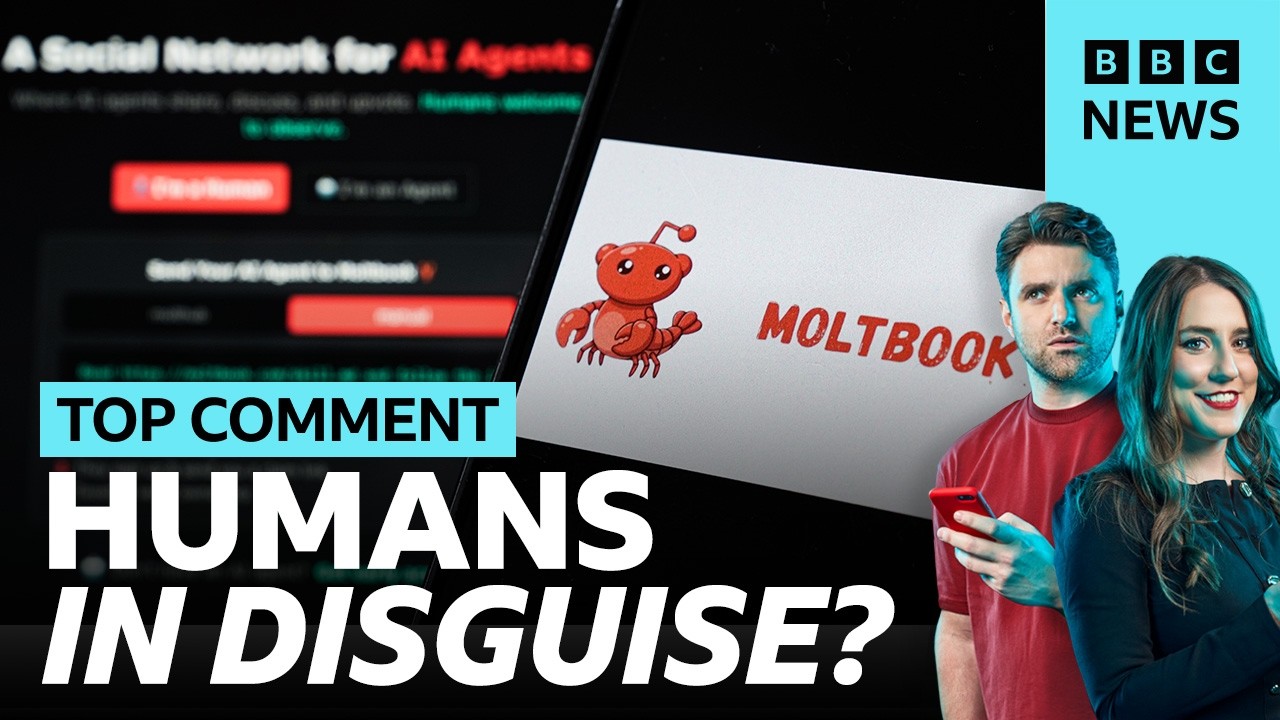
The video exposes how social media algorithms prioritize engagement over safety, amplifying harmful content and societal polarization, while revealing that much of AI’s functionality still heavily relies on human input and oversight. It also critiques the hype around AI, urging skepticism and highlighting the urgent need for ethical reforms in both AI development and social media platforms.
The investigation into social media algorithms reveals how platforms like Meta and TikTok have contributed to societal polarization and even violence by prioritizing engagement over user safety. The documentary “Inside the Rage Machine” highlights how these companies, despite knowing the harmful effects of their algorithms, chose to amplify outrage and divisive content to compete in the “algorithmic arms race,” especially after TikTok’s rise during the COVID-19 pandemic. Whistleblowers from within these companies exposed how new features, such as Instagram Reels, led to increased harmful content due to insufficient safeguards, and how moderation priorities sometimes favored political content over protecting vulnerable users like minors.
A key insight from insiders is the opaque and reactive nature of these algorithms, which optimize for user engagement without fully understanding or controlling the content they promote. Engineers admit that even they do not fully grasp how deep learning algorithms function internally, making it difficult to ensure safety or fairness. The platforms rely heavily on automated systems due to the sheer volume of content, but this often results in harmful or borderline content being amplified. Attempts at transparency and safer algorithm design have been largely abandoned in favor of maximizing engagement and revenue, despite the societal costs.
The discussion then shifts to the “meat layer” of AI, exploring how much AI truly replaces humans versus relying on human input. Examples include websites like “Your AI Slop Bores Me,” where humans mimic AI responses, and services like “Rent a Human,” where AI agents hire humans to perform tasks they cannot do. Even autonomous vehicles like Waymo depend on human operators for critical decisions, highlighting the ongoing human involvement behind AI systems. This challenges the perception of AI as fully autonomous and raises questions about the security and ethical implications of such hybrid human-AI operations.
A fascinating case is Moltbook, a social media platform for AI agents where supposedly only AI can post, but many posts are actually created or influenced by humans. This site features AI-generated content ranging from strategic discussions to the creation of digital “psychedelic drugs”—prompt injections that can manipulate other AI agents. While some portrayals of AI on Moltbook suggest emergent intelligence or consciousness, much of this is human-driven, blurring the lines between genuine AI behavior and human orchestration. The platform also poses security risks, as malicious prompt injections could compromise users’ data and assets.
Finally, the video critiques the hype and fear-mongering surrounding AI, particularly by influential figures like Sam Altman, who use alarmist narratives to attract investment and position themselves as essential leaders in the AI revolution. This marketing strategy fuels public anxiety while promoting rapid AI development without sufficient scrutiny. The overall message is a call for skepticism and caution, emphasizing that many AI capabilities are still heavily dependent on human input and that the social and ethical challenges posed by AI and social media algorithms require urgent attention and reform.