The video emphasizes that building a standout AI engineering portfolio relies on creating practical, real-world projects aligned with one’s background or personal challenges, rather than showcasing trendy or overly complex technologies. It highlights examples of meaningful projects and offers a structured program to help aspiring AI engineers develop impactful portfolios that increase their chances of landing high-paying jobs.
The video discusses an effective strategy for building a portfolio to land a high-paying AI engineering job, emphasizing the importance of mindset over flashy technology. The speaker shares that many candidates focus on showcasing projects based on trendy technologies like React chatbots or multi-agent systems, which are often saturated and fail to stand out. Instead, he advocates for creating a connected set of projects that solve real-world problems, demonstrating practical value rather than just technical complexity.
Using an example, the speaker explains how an experienced developer with a healthcare background might mistakenly build an unrelated AI project, such as a market trading bot, which lacks relevance and practical use. Instead, the developer should leverage their domain expertise to create a HIPAA-compliant AI solution for patient note handling, a project that hospitals could realistically use. This approach highlights the importance of aligning projects with one’s background and ensuring they address genuine needs, rather than pursuing complexity for its own sake.
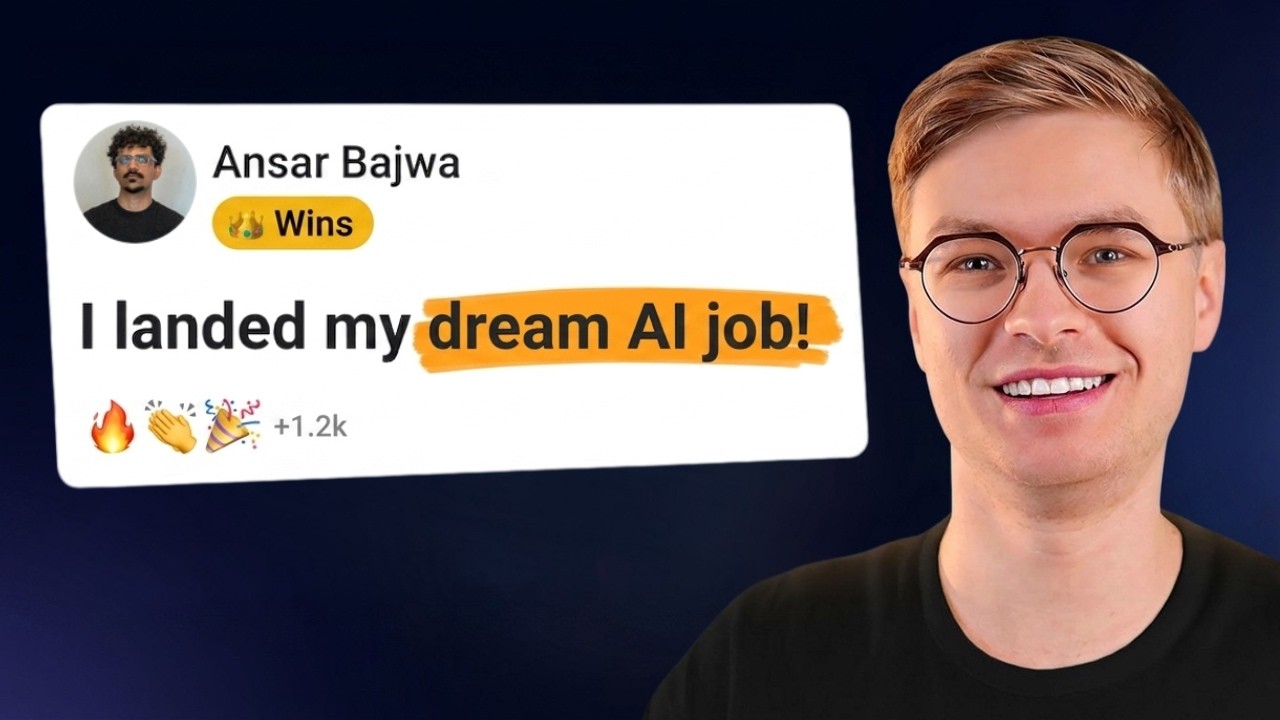
For new graduates who may not have specialized industry experience, the speaker suggests focusing on problems they personally face or have observed. He cites a student named Ansar who developed a tool to convert lecture slides into embeddings to enhance his learning, a project with a clear purpose and direct utility. This kind of focused, problem-solving project is more compelling in interviews than generic or overly ambitious AI tools that lack practical application or personal relevance.
The video then showcases a project called Code Dojo, created by a student named Jason who wanted to learn Next.js while avoiding over-reliance on AI tools that do all the work for him. Code Dojo acts as a coding mentor, guiding users through learning by asking dynamic questions and tracking progress, rather than simply providing answers. This project demonstrates mastery of AI integration and prompt engineering, and serves as a strong portfolio piece because it solves a real problem and reflects Jason’s learning journey.
In conclusion, the speaker stresses that the key to standing out in AI engineering interviews is not the complexity or novelty of the technology used, but the real-world impact and clarity of purpose behind the projects. Candidates should build portfolios that showcase solutions with proven value, either by leveraging their prior experience or addressing personal challenges. The speaker offers a structured program to help aspiring AI engineers develop such portfolios and secure high-paying roles, inviting viewers to learn more through the provided link.