The rapid expansion of artificial intelligence (AI) data centers by tech giants like Google, Microsoft, and Amazon is creating an unprecedented demand for electricity, straining the existing power grid. This surge, equivalent to building 100 new cities in five years, has exposed a critical bottleneck in power supply that threatens to slow down the AI boom. Traditional energy sources and grid infrastructure are struggling to keep pace, leading to increased costs for consumers and businesses alike. In response, Alo Atomic, a startup founded by Matt Lozac and Yaser Arafat, is pioneering a new approach to nuclear energy to meet this growing demand sustainably and efficiently.
Alo Atomic aims to revolutionize nuclear power by mass-manufacturing small, modular reactors that can be produced quickly and deployed widely. Unlike traditional large-scale nuclear plants that take a decade or more to build, Alo’s reactors are designed to be factory-made, with a focus on speed, safety, and cost-effectiveness. Their flagship product, the Alo X, is a compact reactor roughly the size of a Cybertruck, capable of powering 10,000 homes for three years without refueling. By using sodium as a coolant instead of water, these reactors avoid the need for large water sources, allowing flexible placement and reducing environmental impact.
Safety is a paramount concern for Alo, and their reactor design incorporates inherent safety features that make meltdowns impossible. The reactors use physics-based safety mechanisms, such as gravity-driven control rods, to shut down the reactor automatically in abnormal conditions without human intervention. This approach contrasts with older nuclear technologies that require extensive containment structures and evacuation plans. Alo’s design philosophy treats nuclear reactors more like tech hardware than traditional civil engineering projects, enabling faster production cycles and greater reliability.
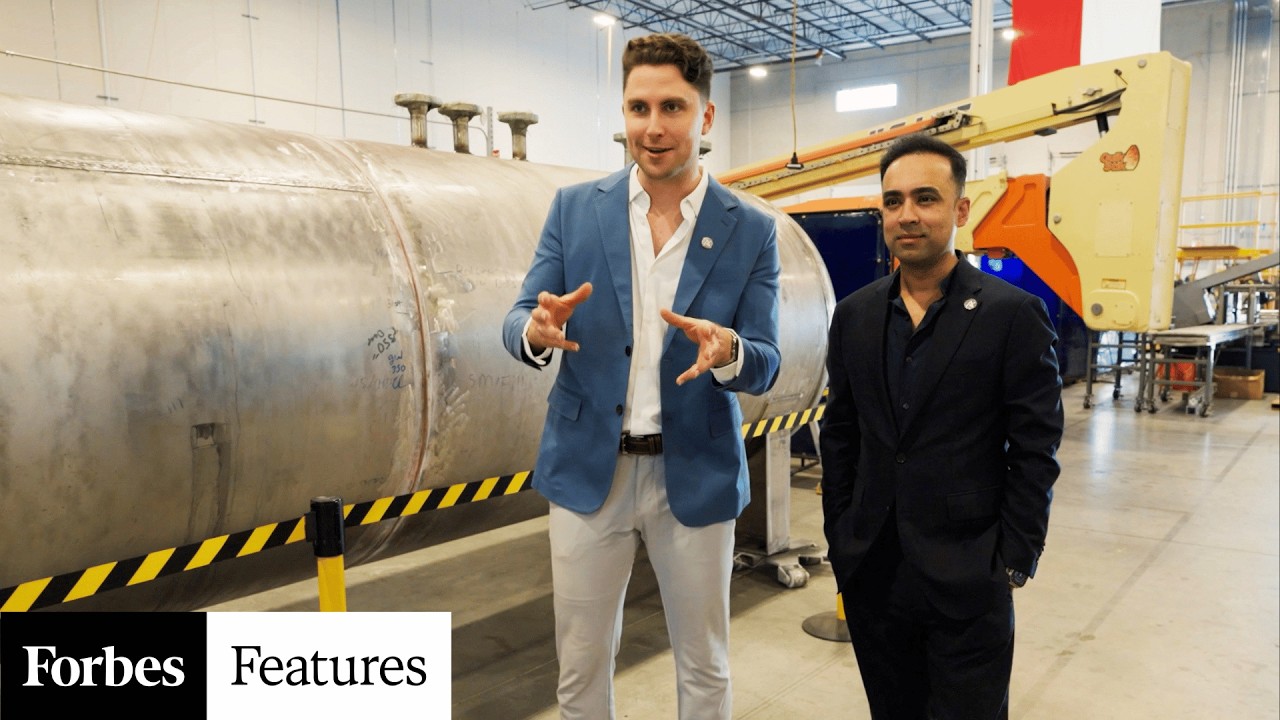
The company has attracted significant venture capital funding, raising hundreds of millions of dollars in just a few years, surpassing early investments in companies like SpaceX and Tesla. This financial backing, combined with supportive U.S. government policies and executive orders aimed at accelerating nuclear innovation, has positioned Alo to meet ambitious milestones, including achieving reactor criticality by 2026. Their pilot factory in Austin demonstrates a modern assembly line approach to nuclear manufacturing, integrating automation and AI to optimize production processes such as welding.
Looking ahead, Alo’s vision extends beyond powering AI data centers in the U.S. They aim to drive down costs through mass production to compete with natural gas and eventually deploy their technology globally, particularly in developing nations facing energy poverty. By providing clean, reliable, and affordable nuclear power, Alo hopes to transform energy access worldwide, enabling economic growth and improving quality of life. Their mission is deeply personal, rooted in the founders’ experiences with energy challenges in their home countries, and represents a hopeful future where nuclear energy plays a central role in solving the world’s energy crisis.