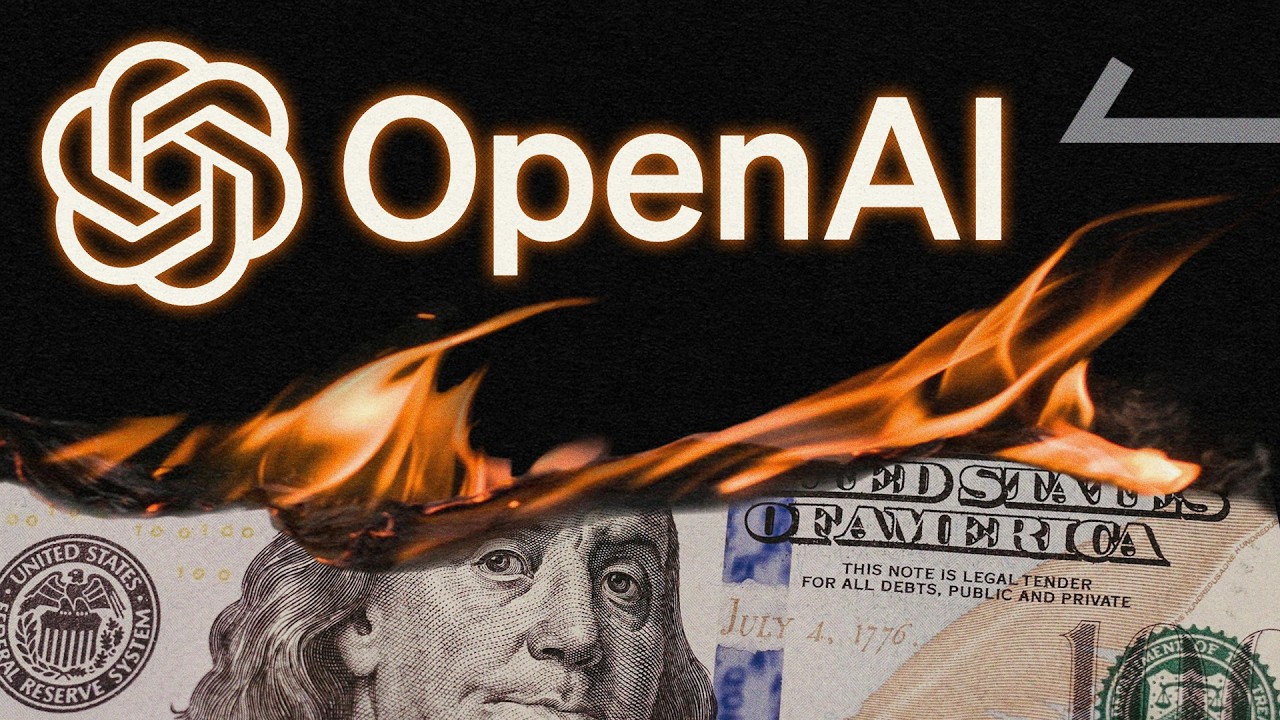
The video exposes how Silicon Valley’s push for minimal AI regulation, driven by profit motives and geopolitical rhetoric, risks perpetuating harmful practices and undermining public interest through industry influence and lobbying. It calls for skepticism toward grand claims about AI’s potential, emphasizing the need for ethical oversight and transparency to ensure AI benefits society rather than just corporate power.
The video explores the evolving landscape of artificial intelligence (AI) policy, highlighting a significant shift in the approach to AI regulation. Initially, there was a focus on ensuring AI development prioritized safety and ethical considerations. However, influential figures and tech giants in Silicon Valley are now pushing for minimal regulation, arguing that stringent rules could hinder innovation and cause the U.S. to lose its competitive edge in the global AI race. This shift is underscored by aggressive lobbying efforts aimed at preventing state and local governments from enacting their own AI regulations, effectively seeking a decade-long moratorium on such laws.
Despite the promises of AI’s transformative potential, the video reveals troubling realities about how AI is currently being used. AI systems are already making critical decisions in areas like healthcare, lending, and employment, often in ways that perpetuate discrimination and violate existing laws. These abuses frequently go unchecked due to the opaque nature of AI technologies and the lack of transparency mandated by law. Whistleblowers and investigative journalists have been crucial in uncovering these issues, as companies rarely self-regulate or disclose problematic practices.
The video also delves into the extensive influence that major tech companies wield over AI policy and research. Beyond lobbying, these companies fund academic research, place staff within government agencies, and shape the bureaucratic landscape to align with their interests. This deep entanglement raises concerns about the impartiality of AI governance and the potential for regulatory capture, where industry priorities overshadow public interest. Efforts to pass meaningful AI legislation at the state level have been diluted or derailed under industry pressure, despite strong public support for more robust AI oversight.
A key theme is the industry’s use of geopolitical competition, particularly the U.S.-China rivalry, as a justification for deregulation. While industry leaders warn that heavy regulation could cause the U.S. to fall behind China, experts point out that China actually maintains some of the world’s most comprehensive AI regulations. This competitive rhetoric is seen as a strategic move to resist regulation rather than a genuine concern about national security or technological leadership. Ultimately, the video argues that the primary goal of AI companies is consolidating power and maximizing profits, often at the expense of legal protections and societal well-being.
Finally, the video critiques the grandiose narratives promoted by AI companies about achieving artificial general intelligence (AGI) and revolutionizing humanity. It reveals that corporate definitions of AGI are tied to financial milestones rather than altruistic goals like curing diseases or advancing human knowledge. The massive investments in AI infrastructure and lobbying efforts are driven by the pursuit of profit and market dominance, not necessarily by the promise of societal benefit. This reality calls for skepticism toward industry claims and a renewed focus on ensuring AI development aligns with ethical standards and public accountability.