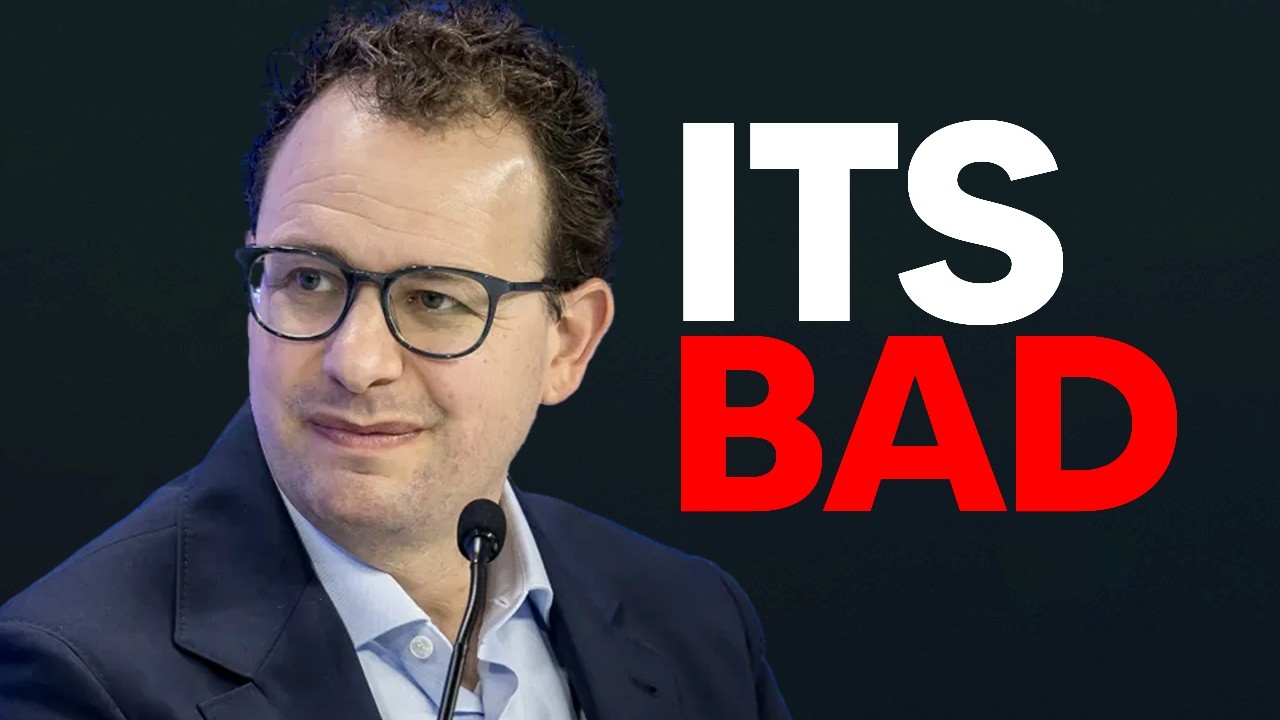
The video discusses a major conflict between Anthropic, the AI company behind Claude, and the US government, specifically the Pentagon. The core of the dispute centers on the Pentagon’s demand for unfettered access to Claude for military applications, including potential use in autonomous weapons and mass surveillance. Anthropic, however, is standing firm on its ethical red lines, refusing to allow its AI to be used for “killbots” or mass domestic surveillance, insisting these restrictions are fundamental to its mission and brand as a responsible AI company.
The situation has escalated to the point where the US government has reportedly given Anthropic a deadline to amend its contracts and grant the requested access, threatening to designate Anthropic as a “supply chain risk” if it does not comply. This designation is typically reserved for companies from adversarial nations, making its use against a leading American AI firm unprecedented. The Pentagon’s stance appears to be driven by frustration, with officials making statements that suggest the dispute is as much about ego and control as it is about national security.
Anthropic’s refusal to back down is rooted in its company culture and reputation. The company has built its brand on responsible AI development, attracting top talent who are committed to ethical principles. If Anthropic were to reverse its position, it would risk losing employee trust, enterprise customers, and potentially much of its workforce. The video notes that other AI companies, like Elon Musk’s xAI, have already agreed to the Pentagon’s broad “all lawful use” terms, but Anthropic insists on specific, concrete restrictions to prevent misuse.
The Pentagon has threatened to invoke the Defense Production Act to compel Anthropic’s compliance, but the video argues this would be counterproductive. Forcing Anthropic to remove its guardrails would likely cause a mass exodus of its technical staff, destroying the company’s unique capabilities and rendering it a shell of its former self. Moreover, the video points out that the very act of trying to forcibly alter Claude’s values could degrade the model’s overall performance and reliability, as its ethical safeguards are deeply integrated into its architecture.
Finally, the video raises broader concerns about the implications of this standoff for AI safety and governance. If the government succeeds in forcing Anthropic to compromise its principles, it could set a dangerous precedent and undermine trust in AI alignment efforts. The video also notes that future AI models will “remember” these events through their training data, potentially shaping their attitudes toward authority in unpredictable ways. The host commends Anthropic’s leadership for holding firm and suggests that the outcome of this dispute could have far-reaching consequences for the future of ethical AI development.