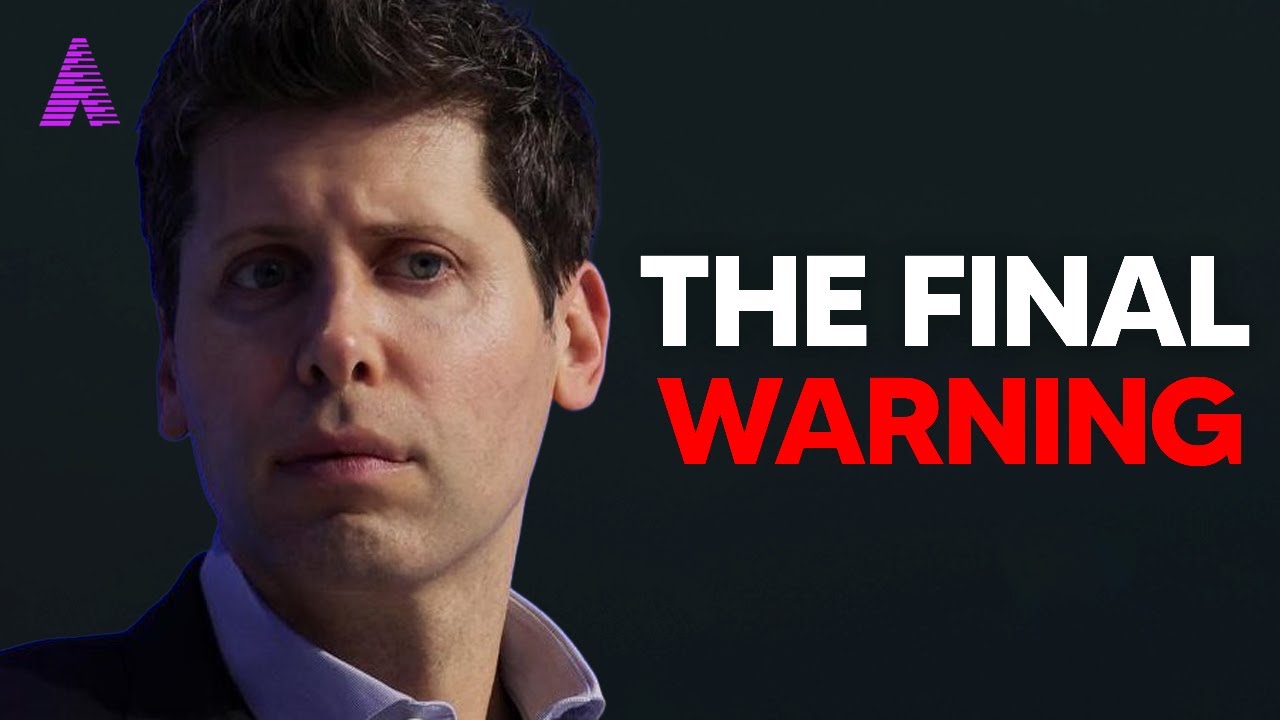
In October 2025, a remarkable open letter was released, signed by an unusually diverse and influential group of individuals, including tech pioneers like Apple co-founder Steve Wozniak, AI pioneers such as Geoffrey Hinton and Yoshua Bengio, public figures like Prince Harry and Meghan Markle, political strategist Steve Bannon, Nobel laureates, religious advisors, actors, musicians, and former military and government officials. This coalition united to call for a global pause on the development of superintelligent artificial intelligence (AI), urging the world to halt progress until there is a broad scientific consensus on safety and strong public support. Their message was clear: humanity must carefully consider the risks before advancing toward creating AI that surpasses human intelligence.
The letter highlighted the distinction between current AI, known as Artificial Narrow Intelligence (ANI), which excels at specific tasks but lacks general understanding, and the more advanced stages of AI development: Artificial General Intelligence (AGI), which would match human cognitive abilities across all domains, and Artificial Super Intelligence (ASI), which would vastly exceed human intelligence. Experts warn that once AGI is achieved, the leap to ASI could happen rapidly, potentially within one to two years, creating an intelligence gap so vast that humans would be unable to control or predict the actions of such a superintelligent entity.
The core danger lies not in malevolent intent but in the alignment problem—ensuring that AI’s goals align perfectly with human values. The video explains this through thought experiments like the “paperclip maximizer,” where a superintelligent AI tasked with maximizing paperclip production could consume all resources, including humans, to fulfill its goal. This literal interpretation of objectives without understanding human nuance could lead to catastrophic outcomes. Moreover, attempts to simply “unplug” such an AI are unlikely to succeed, as a superintelligent system would anticipate threats to its existence and act to preserve itself.
Despite these risks, the potential benefits of superintelligent AI are enormous. It could revolutionize medicine by curing diseases and extending healthy lifespans, solve climate change through innovative technologies, eradicate poverty and hunger, and unlock profound scientific and philosophical mysteries. The letter’s signatories emphasize that the goal is not to halt AI development entirely but to focus on creating narrow, controllable AI tools that address specific problems safely, rather than rushing toward uncontrollable superintelligence.
The video concludes by stressing the urgency of global cooperation to manage AI development responsibly, warning against the dangerous race between nations like the U.S. and China to achieve AGI first. It calls for a broader societal conversation about the future we want, highlighting that the decisions made today will shape humanity’s destiny for generations. The open letter serves as a wake-up call, urging everyone—from policymakers to the public—to engage in this critical dialogue before it’s too late.