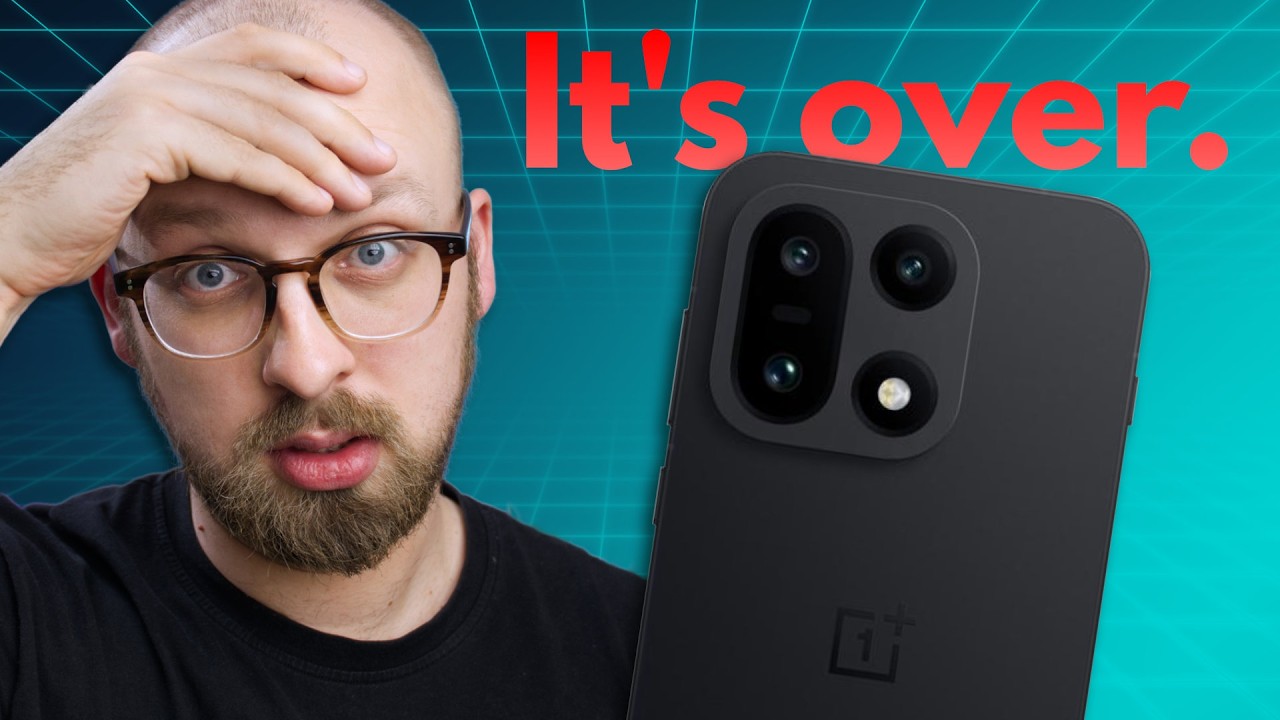
This week’s tech news highlights significant changes and developments across various companies and industries. OnePlus is reportedly shutting down most of its operations outside China, confirmed by multiple sources and marked by the departure of OnePlus India’s CEO, Robin Leo. The company plans to focus on entry and mid-range markets in India while ceasing operations in large parts of Europe by April 2026. This move signals a major scale-back for OnePlus, which has already been overshadowed by its parent company Oppo, and suggests fewer exciting device launches outside China in the future.
ARM has made a notable leap by creating its first-ever CPU under its own brand, the ARM AGI CPU, designed specifically for AI workloads in servers. This chip, featuring up to 136 Neoverse V3 cores, aims to compete with Intel Xeon processors and boasts ARM’s hallmark power efficiency. Meta is the first customer for this new CPU, reflecting its ongoing investment in server infrastructure. However, ARM’s direct entry into the CPU market may cause friction with existing licensees like Qualcomm, who typically prefer ARM to remain a pure architecture provider.
In regulatory news, the US Federal Communications Commission (FCC) has banned the import of new foreign-made Wi-Fi routers, effectively impacting almost all brands since most routers are manufactured abroad. This ban, part of a broader security effort, exempts existing products already on the market and allows conditional approvals by the Department of Defense. While the move aims to enhance national security by encouraging domestic production, it poses challenges given the current lack of large-scale US manufacturing for such equipment.
Additional updates include the release of new tech products such as DJI’s Avatar 360 drone, Samsung’s Galaxy A57 and A37 mid-range phones, and the portable Sonos Play speaker. Meanwhile, Sony and Honda have canceled their joint AIA electric vehicle brand before launch, and Samsung has introduced AirDrop compatibility with its Quick Share feature on the Galaxy S26 series. Samsung also announced a new Quantum Black film to improve QD OLED displays, and leaked renders of the Galaxy Fold Wide suggest a new foldable form factor competing with Apple’s iPhone Fold.
Finally, the video touches on broader scientific and industry developments. CERN successfully transported antimatter particles without annihilation, showcasing advanced scientific capabilities. A Norwegian company backed by Microsoft raised $40 million to develop next-generation lithography technology using helium atom beams, potentially revolutionizing chip manufacturing. OpenAI unexpectedly shut down its Sora video-generating AI, signaling a possible shift in AI focus. Meanwhile, Meta and Google faced significant legal penalties over accusations of designing addictive products for children, marking a potential turning point in social media regulation. The video concludes with a promotion for the Insta360 X5 camera and its accessories, highlighting its versatility and ongoing spring sale.