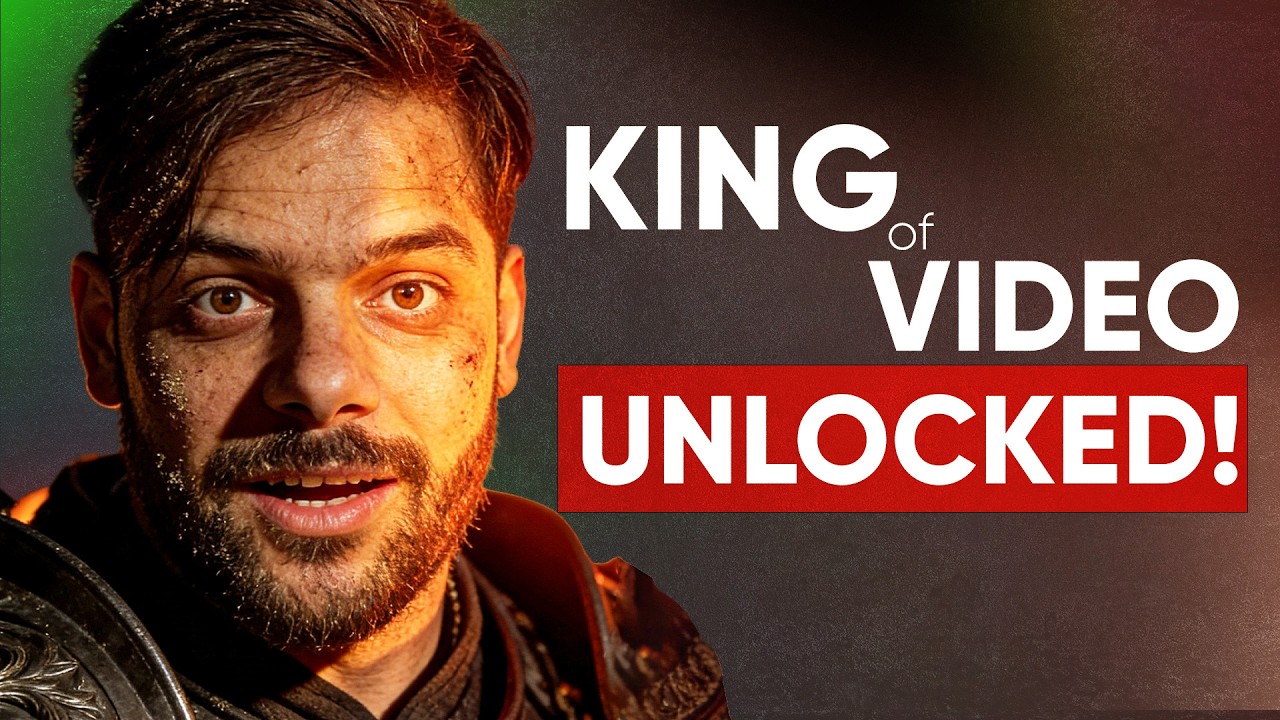
SeeDance 2.0, a cutting-edge video model developed by ByteDance, showcases remarkable capabilities in multimodal input, physical accuracy, and creative controllability. It supports native audio-visual generation and adapts across various scenarios, from commercial ads to cinematic content. The model’s core functions involve understanding user requests and planning to bring those ideas to life. Using the Higgsfield AI platform, which offers global access to SeeDance 2.0, the creator demonstrates the model’s ability to generate highly realistic scenes, such as a dramatic mansion explosion, complete with convincing visuals and sound design.
The video highlights the model’s impressive handling of sound and physical interactions, which are crucial for believability. While common interactions like a spinning coin or ironing butter are accurately depicted both visually and audibly, more unusual scenarios, such as an anvil falling on a ball, reveal some limitations. Vocals, however, represent a significant leap forward compared to previous models, with SeeDance 2.0 producing highly realistic voice sounds that make its footage difficult to detect as AI-generated. This includes complex audio like iconic anime screams, enhancing the overall immersive experience.
Creatively, SeeDance 2.0 delivers near-commercial-grade results with professional camera movements, pacing, and aesthetic qualities in lighting and composition. It can generate content suitable for ads, explainer videos, and cinematic shots, demonstrating strong consistency in characters and objects. However, when tested with more complex intellectual tasks, such as accurately plotting mathematical functions or drawing maps, the model falls short. This suggests that while it understands the visual context, it lacks deep comprehension of underlying academic concepts.
The model also shows promising abilities in following complex instructions and editing existing videos. For example, it can sequence abstract icons according to detailed prompts and make character replacements or additions within scenes. Nonetheless, there are limits to its editing precision, especially when multiple or highly specific changes are requested simultaneously. Incremental edits or preparatory work using complementary tools like Nano Banana Pro can help achieve better results, indicating that effective use of the model requires strategic planning and understanding of its boundaries.
Overall, SeeDance 2.0 represents a significant advancement in generative video technology, combining multimodal inputs and complex instruction handling into a reliable creative tool. Its availability worldwide through Higgsfield AI opens new possibilities for creators to bring imaginative projects to life. However, mastering the model involves recognizing its strengths and limitations, ensuring users can maximize its potential while navigating areas where it may falter. This balance positions SeeDance 2.0 as a powerful asset in the evolving landscape of AI-driven video production.