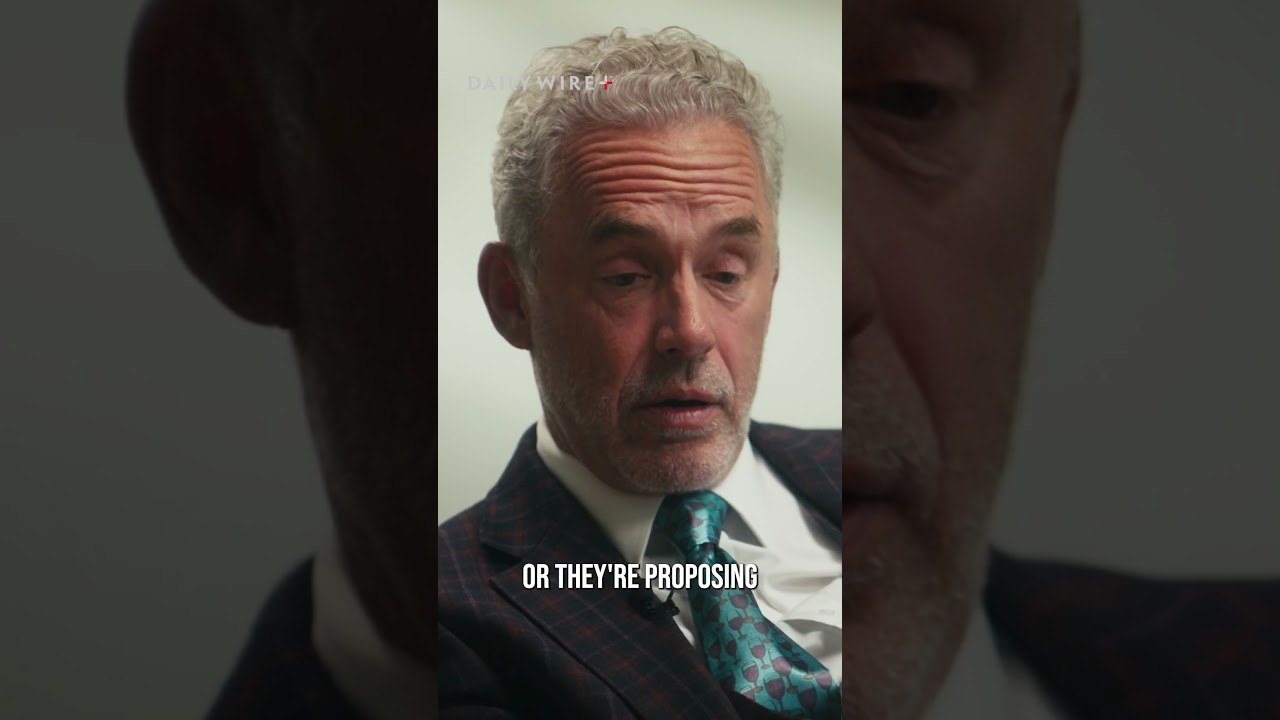
The video discusses how politicians who use fear to motivate their policies often exhibit tyrannical tendencies, prioritizing control over the well-being of citizens. It emphasizes the importance of critical thinking and vigilance against fear-based governance, advocating for the protection of individual rights and democratic principles.
In the video, the speaker discusses the characteristics of politicians who use fear as a primary motivator for their policies and actions. They emphasize that when a politician relies on fear to rally support or justify their decisions, it raises red flags about their intentions and character. The speaker suggests that such tactics are often indicative of a tyrannical mindset, where the leader seeks to control and manipulate the populace rather than genuinely serve their interests.
The speaker highlights the importance of critical thinking when evaluating political rhetoric. They encourage viewers to be wary of leaders who propose extreme measures or the use of compulsion, especially during emergencies. This approach can lead to the erosion of individual freedoms and rights, as the politician may prioritize their agenda over the well-being of the citizens. The speaker argues that true leadership should inspire confidence and unity, rather than fear and division.
Furthermore, the video delves into historical examples where fear-based governance has led to oppressive regimes. The speaker draws parallels between past tyrants and current political figures who exhibit similar behaviors. By understanding these patterns, viewers can better recognize when they are being manipulated and can take a stand against such tactics.
The speaker also discusses the psychological impact of fear on society. They explain how fear can create a sense of helplessness among the populace, making them more susceptible to authoritarian control. This dynamic can lead to a cycle where citizens feel compelled to accept increasingly draconian measures in the name of safety or security, ultimately undermining democratic principles.
In conclusion, the video serves as a cautionary reminder to remain vigilant against politicians who exploit fear and propose coercive measures. The speaker urges viewers to prioritize their rights and freedoms, advocating for a political landscape that values transparency, accountability, and genuine representation. By recognizing the signs of tyranny, citizens can work towards fostering a healthier and more democratic society.