The video critiques a new AI startup that creates digital avatars of deceased loved ones, arguing that these AI recreations are hollow imitations lacking true consciousness and can exploit grieving individuals. Drawing on science fiction examples, it warns against relying on technology to circumvent death, emphasizing the importance of accepting mortality and the ethical concerns of digitally resurrecting the dead.
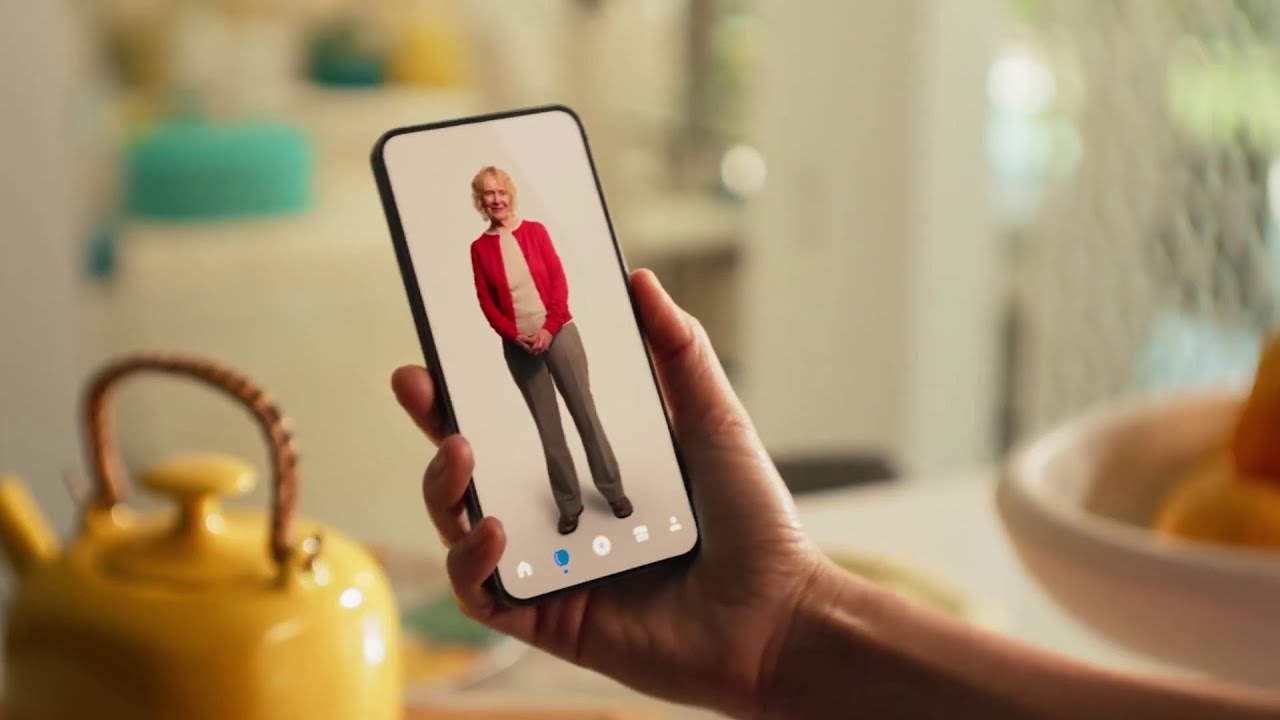
The video discusses a controversial new AI startup that claims to preserve the personalities of deceased loved ones in the cloud, allowing people to interact with digital versions of them years after their passing. The creator of the video expresses discomfort with this concept, emphasizing that these AI recreations are not truly the people they represent but rather hollow imitations. The video includes clips from the startup’s promotional material, showing interactions with a digital grandmother, but highlights how limited and superficial these AI personalities are, given the minimal data used to create them.
The core issue raised is that these AI avatars cannot capture the true essence or soul of a person. The video argues that no matter how advanced the technology, an AI cannot replicate the depth, complexity, and evolving nature of a human being. The AI’s responses are generated based on existing data and patterns, lacking genuine consciousness or personal growth. The creator points out that this practice is akin to a modern form of necromancy—resurrecting a mere shell of a person for the comfort of the living, which can be emotionally harmful and exploitative.
The video draws on various science fiction and fantasy stories to illustrate the dangers and ethical concerns of trying to digitally resurrect the dead. Examples include Stephen King’s “Pet Sematary,” where the returned loved ones are malevolent shadows of their former selves, and the film “Inception,” which explores the painful realization that digital or dream recreations can never match the real person. Other references include “Blade Runner 2049,” which questions the authenticity of artificial beings, and the “Black Mirror” episode “Be Right Back,” which portrays the emotional and psychological toll of interacting with AI versions of deceased loved ones.
The creator stresses that grief can make people vulnerable to such technologies, which may exploit their desire to reconnect with lost loved ones. The video warns that these AI recreations can cause more harm than comfort by fostering illusions rather than genuine connections. It urges viewers to accept mortality as an inherent part of the human experience and cautions against relying on technology to deny or circumvent death. The message is clear: no technology can replace the living person or the natural process of grieving and remembrance.
In conclusion, the video calls for a thoughtful and cautious approach to AI personalities that claim to preserve the dead. It highlights the importance of recognizing the limitations of AI and respecting the finality of death. By referencing a wide range of science fiction and fantasy narratives, the creator underscores the timeless human struggle with loss and the ethical dilemmas posed by attempts to digitally recreate life. The video ends with a reminder to be safe and mindful as technology continues to evolve in ways that challenge our understanding of life and death.