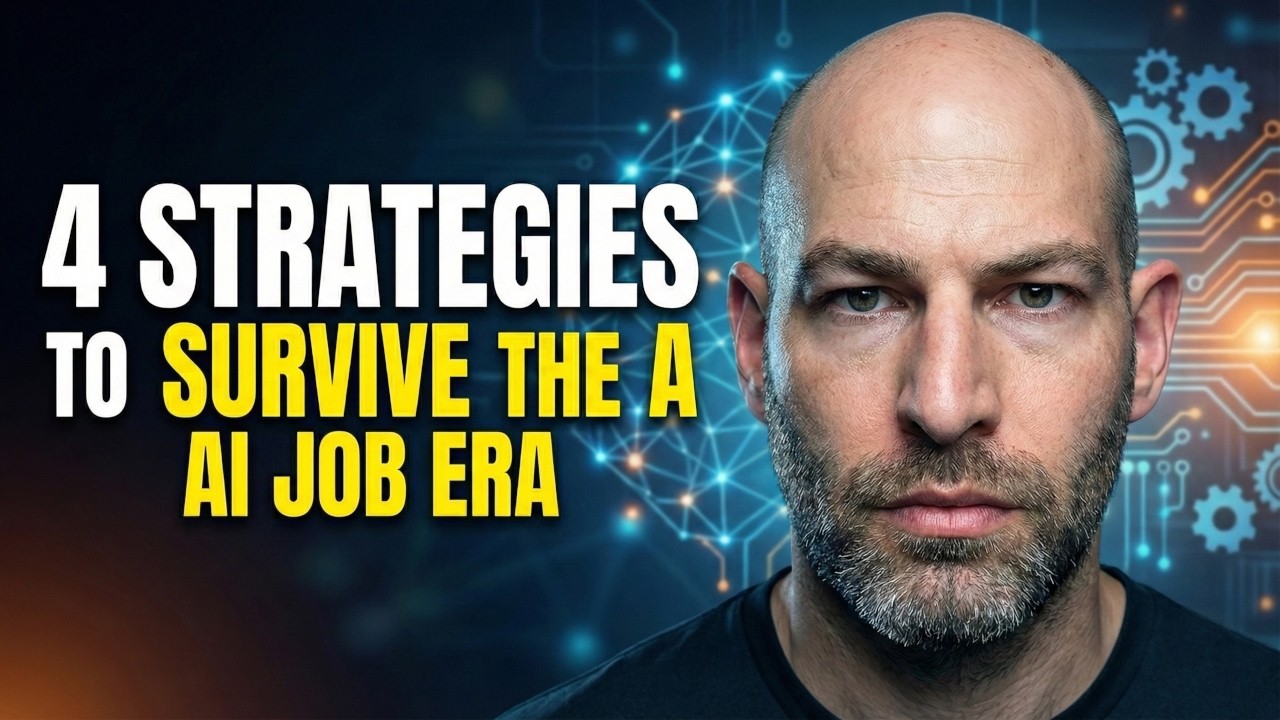
The video begins with the creator discussing the format of their content, hypothesizing that unedited, direct videos are effective because many viewers listen in the background rather than watching closely. The main focus of the video is to answer a frequently asked question: how to prepare for the rise of artificial intelligence (AI). The creator outlines four key areas to consider: where you live, investments, jobs, and lifestyle/higher purpose. They clarify that their advice is based on personal experience and general principles, not specific financial recommendations.
First, the creator emphasizes the importance of location in the age of AI. With remote work becoming more common, people have the flexibility to live wherever they prefer, which can lead to significant cost-of-living savings. The trend of people leaving expensive cities like San Francisco is highlighted, as individuals seek better lifestyles or climates. The creator notes that while not everyone can move, those who can should consider what environment best suits their needs, as AI and remote work will continue to disrupt traditional job markets and urban living patterns.
On the topic of investments, the creator shares their personal strategy of focusing on dividend-producing ETFs, aiming for low-stress, long-term returns. They explain that as AI and automation reduce the need for human labor, wealth will increasingly be distributed through capital ownership rather than wages. This shift means that participating in capital markets—through stocks, real estate, or employee ownership programs—will become more important. However, they acknowledge that many people currently lack the resources to invest and argue that systemic changes, such as universal basic income (UBI) or universal basic capital, will be necessary to ensure broad participation in future wealth.
When discussing jobs, the creator warns that both high-skill knowledge work and low-skill labor are vulnerable to automation. They critique the idea that everyone can become a successful content creator or influencer, pointing out that only a small percentage make a living this way, and luck plays a significant role. Instead, they suggest focusing on roles that require human attention, experience, authenticity, and meaning—such as therapists, entertainers, or those with strong reputations and trust. Additionally, they highlight the value of becoming an AI power user or leveraging technology to enhance traditional businesses, as well as the enduring importance of non-fungible qualities like trust and reputation.
Finally, the creator addresses the need for higher purpose and agency in a post-labor world. As work becomes less central to daily life, individuals will need to find meaning and structure outside of traditional employment. This could involve pursuing personal missions, building families, or engaging in community life. The creator encourages viewers to honestly acknowledge their true desires and ambitions, as this self-awareness can lead to greater alignment and fulfillment. They conclude by sharing their own journey of following their passion for AI, emphasizing that purpose and agency will be crucial as society adapts to the changes brought by artificial intelligence.