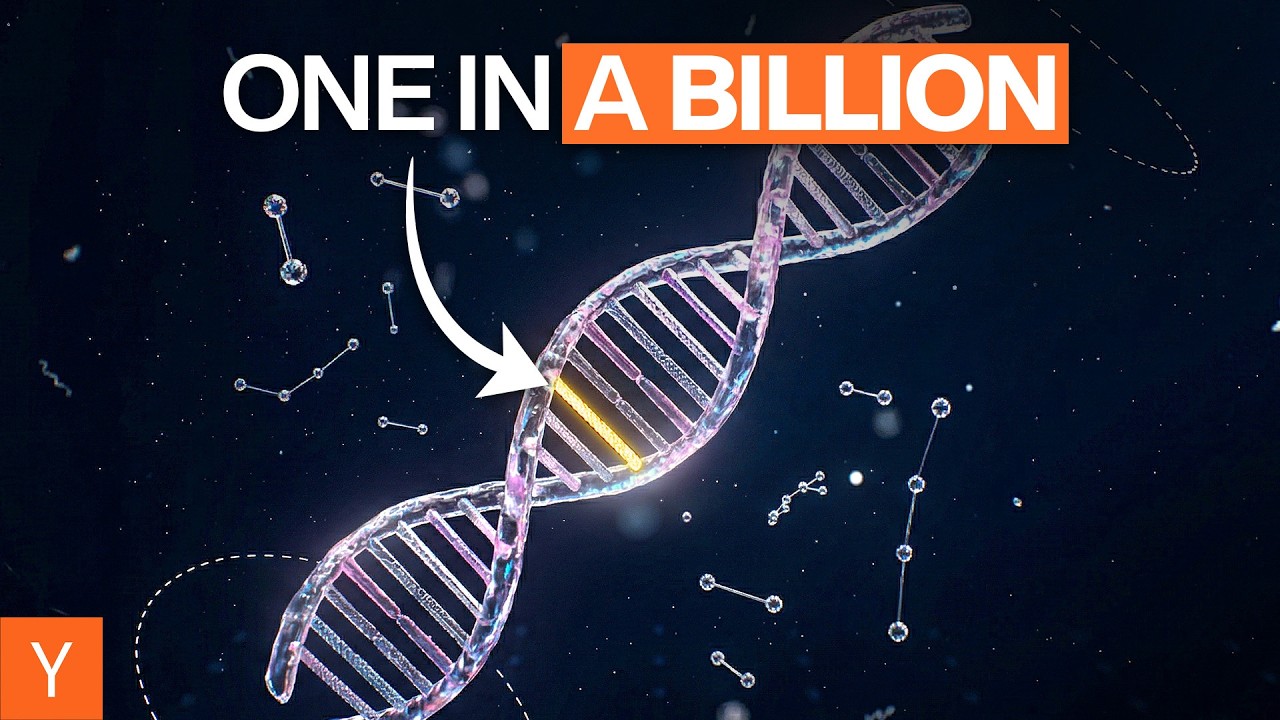
Billion to One is a pioneering molecular diagnostics company that has revolutionized prenatal genetic testing by detecting tiny fragments of fetal DNA in a mother’s blood. Founded by two PhD students, Ozan and David, the company tackled the immense challenge of identifying a single altered base pair among billions in the human genome. Their breakthrough involved adding synthetic DNA molecules to patient samples before amplification, allowing them to measure and subtract noise introduced during the DNA amplification process. This innovation transformed a complex biological problem into a manageable mathematical one, enabling highly accurate, non-invasive prenatal tests that have become widely adopted, screening one in eleven babies born in America.
Starting from a modest shared lab space and limited funding, Billion to One rapidly developed their prenatal test within two years, overcoming early challenges such as limited sales traction by aggressively expanding their sales team and educating both patients and physicians. Their commitment to interdisciplinary expertise—combining deep knowledge of chemistry, data science, and bioinformatics—allowed them to bridge gaps that had previously hindered progress in genetic testing. Today, they process over 600,000 tests annually, holding nearly 20% of the market share, and operate a state-of-the-art lab capable of scaling to millions of tests per year.
Building on their prenatal testing success, Billion to One expanded into oncology with a liquid biopsy test that detects tumor DNA in blood. This test has already demonstrated life-changing impacts, such as identifying immunotherapy eligibility in cancer patients who had exhausted other treatment options. Their approach leverages the same core technology used in prenatal testing, underscoring the versatility of detecting cell-free DNA fragments. The company’s strategic three-step plan involves starting with prenatal testing, moving to late-stage cancer detection, and ultimately aiming for early-stage cancer detection, which could transform cancer care by catching tumors before they spread.
The company’s culture emphasizes interdisciplinary scientists who own entire product development cycles, fostering rapid iteration and innovation without bureaucratic delays. This structure has enabled Billion to One to maintain agility and focus while scaling operations. Their lab integrates advanced automation, AI, and computer vision to handle thousands of samples efficiently, ensuring accuracy and traceability throughout the testing process. The team’s dedication and passion are evident, with employees motivated by the challenge and impact of their work rather than financial gain alone.
Looking ahead, Billion to One aims to solve the “holy grail” of cancer detection: identifying microscopic residual disease after surgery and eventually screening healthy populations for early-stage cancer. Their stepwise approach balances technical feasibility with financial sustainability, avoiding the pitfalls of attempting early cancer detection without prior commercial success. By making these tests accessible and affordable, they hope to significantly reduce cancer mortality and improve outcomes for millions worldwide, marking one of the most significant advances in medical diagnostics in recent history.