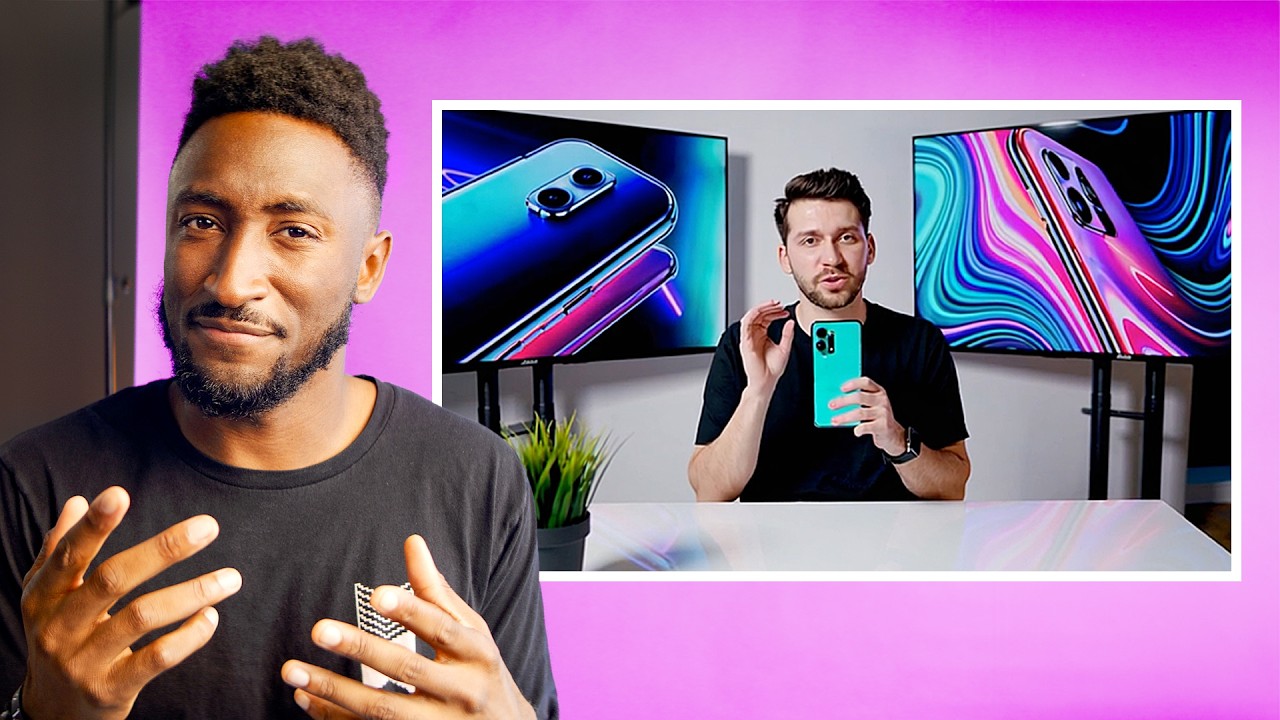
The video begins with a playful challenge, asking viewers to discern whether certain videos are real or AI-generated. The creator reveals that they have been testing Sora, an advanced AI video generation tool from OpenAI, for the past week. The tool, which was previously private, is now accessible to the creator, allowing them to experiment with various prompts. The creator expresses both excitement and concern about the capabilities of Sora, noting that it can produce both inspiring and unsettling results. They emphasize the potential impact of such a powerful tool being available to the public.
The user interface of Sora is described, highlighting features such as exploring other users’ prompts, saving favorites, and organizing creations into folders. The creator appreciates the educational aspect of seeing what others have generated and the ability to remix existing videos by making specific changes. They demonstrate this by adding a golf course to a video scene, showcasing the tool’s flexibility. The video generation process is explained, noting that lower resolution videos are quicker to produce, while higher resolutions take longer, especially as more users begin to access the tool.
The creator shares observations about Sora’s strengths and weaknesses. A significant issue is the lack of object permanence, where objects in videos may behave inconsistently or disappear unexpectedly. This flaw is particularly noticeable in photo-realistic videos, where movements often appear unnatural. However, Sora performs better with fluid dynamics, such as water and fire, and in cartoon or abstract styles, where unrealistic physics are less jarring. The creator also experiments with turning static images into videos, though the results can be unpredictable and sometimes bizarre.
Despite its limitations, Sora has practical applications. It excels at creating abstract visuals, reproducing text, and generating cartoon-style animations. These capabilities could be useful for creating screen savers, title slides, or social media content. The creator shares examples of impressive prompts, such as a fictional fight scene and a tech review setup, noting that Sora sometimes adds unexpected elements, raising questions about the source material used by the AI.
The video concludes with reflections on the implications of Sora’s public release. While the tool has safeguards against generating harmful or photorealistic content, its potential for misuse remains a concern. The creator warns of the challenges in distinguishing real from AI-generated content as technology advances. They express the need for society to adapt to this new reality, acknowledging that the current capabilities of Sora are just the beginning. The video ends with a sponsored message from Ridge, promoting their holiday sale.