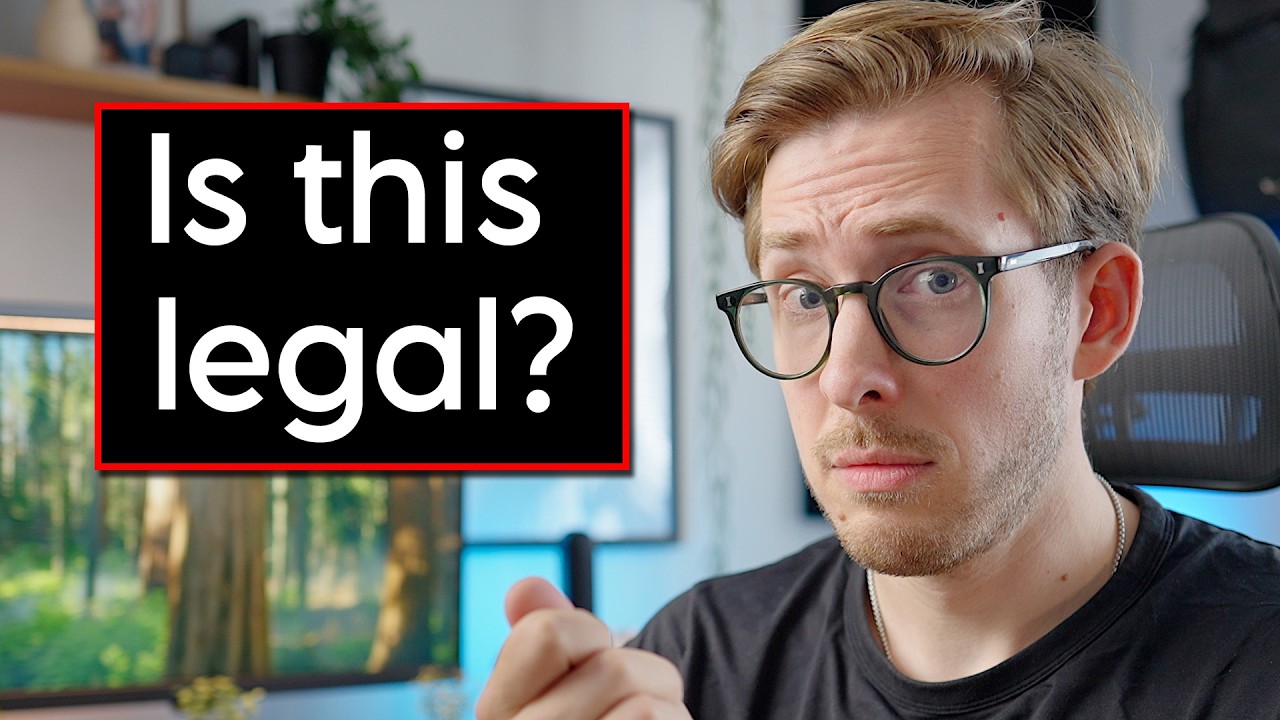
In the video, Evan Edinger discusses the troubling issue of TikTok allowing AI bots to scrape and steal videos from creators like himself, uploading them en masse to their platform without permission. These videos, often taken from YouTube channels, are reposted with minimal changes such as added subtitles, enabling TikTok to profit from content that was not originally posted there. While TikTok, like other platforms, is generally protected by laws that shield them from liability for user-uploaded content, Evan questions whether TikTok is abiding by these laws, especially given the rise of AI-facilitated content theft.
Evan explains the legal framework protecting platforms like TikTok, referencing the e-commerce directive in the UK and EU, which states that platforms are not liable for copyrighted content unless they have actual knowledge of the infringement and fail to act quickly to remove it. Despite reporting numerous accounts that repost his content without permission, Evan reveals that TikTok has sometimes refused to take down infringing videos, even after acknowledging the copyright claims. This refusal, he suggests, could be a violation of the law, as TikTok is required to act expeditiously once made aware of the infringement.
The video also touches on the broader implications of this issue for creators. Evan emphasizes that content creation is not just a hobby but a deeply personal and artistic endeavor that requires significant effort and passion. When platforms allow AI bots to steal and degrade this content, it undermines the connection between creators and their audiences and threatens the financial viability of producing original work. He highlights that this problem is not just about lost revenue but also about the erosion of artistic integrity and the future of creative platforms.
Evan contrasts TikTok’s handling of copyright issues with YouTube’s more robust system, where creators can easily flag infringing content and expect timely removal. He expresses frustration that TikTok’s approach seems dismissive and inadequate, potentially encouraging a future where AI-generated or stolen content dominates social media feeds. This, he warns, could lead to a decline in genuine creativity and a rise in low-quality, derivative content, which would be detrimental to both creators and viewers.
In conclusion, Evan calls for legal expertise and support to address this growing problem, inviting intellectual property solicitors to contact him for advice and assistance. He stresses the importance of standing up against AI-driven content theft now to prevent a future where original creators are marginalized. The video ends on a personal note, with Evan sharing his struggles and gratitude for his audience’s support, underscoring how much he values the creative work he produces and the community that appreciates it.