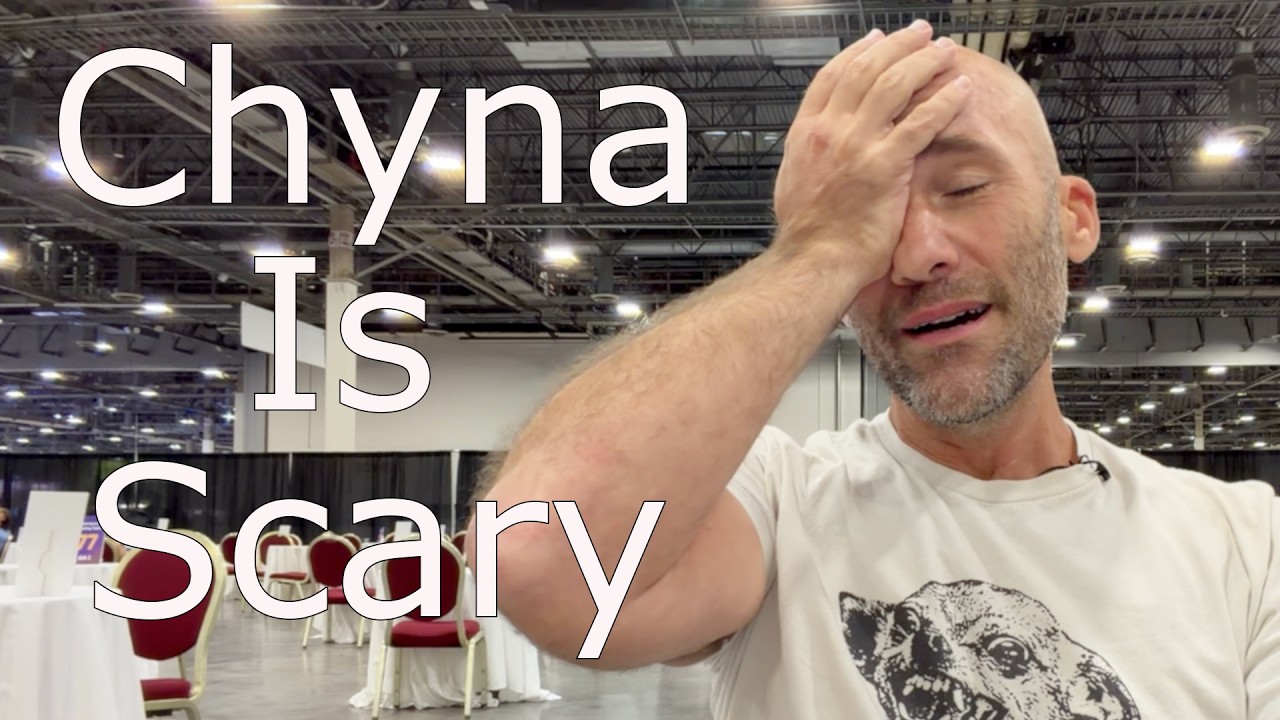
The video critiques the Trump administration’s ban on Chinese hardware in U.S. AI data centers as a reactionary and ineffective measure that overlooks the complexities of global supply chains and fails to address more pressing security vulnerabilities, such as data privacy risks affecting American soldiers. It highlights the inconsistency and irony in U.S. technology policies, urging a more coherent and nuanced approach rather than piecemeal bans driven by exaggerated fears.
The video discusses the Trump administration’s plan to ban imports of certain Chinese hardware components, specifically optical transceivers used in data centers that support AI infrastructure. The ban is framed as a security measure to prevent Chinese firms from stealing data, installing malware, or disrupting services in U.S. data centers. However, the speaker expresses skepticism about the necessity and coherence of such bans, questioning whether the U.S. has viable domestic alternatives and whether these measures genuinely address real threats or are just reactionary responses to perceived risks.
The speaker critiques the broader approach of banning various Chinese technologies, noting a pattern of piecemeal restrictions on drones, robots, and other devices without a clear, unified policy. They highlight the complexity of supply chains, pointing out that much of the electronics manufacturing process involves components sourced from China, and simply assembling parts in the U.S. may not significantly reduce dependency. This raises doubts about the effectiveness of these bans in truly securing critical infrastructure or advancing American technological independence.
A significant portion of the commentary focuses on the irony and inconsistency in U.S. policy priorities. While there is concern about Chinese hardware in data centers, the speaker points out that American soldiers’ safety is compromised by data privacy issues related to U.S. tech companies. They describe how personal data from soldiers’ smartphones can be purchased on the open market by foreign adversaries like Iran’s IRGC, potentially putting lives at risk. Despite this, there appears to be little governmental action to address these vulnerabilities, contrasting sharply with the aggressive stance on banning Chinese equipment.
The video also critiques the rhetoric used to justify these bans, suggesting that the fear of potential risks is often exaggerated or unfounded. The speaker mocks the idea that everything poses a risk and that banning specific Chinese components is a necessary precaution, arguing that this approach lacks nuance and evidence of actual harm. They express frustration with what they see as a security-versus-freedom trade-off, referencing a famous Benjamin Franklin quote to highlight how current policies may be eroding both.
In conclusion, the speaker views the Trump administration’s ban on Chinese data center hardware as part of a broader, somewhat chaotic strategy of banning Chinese technology without a clear, effective policy framework. They encourage viewers to reflect on the implications of these bans and the overall direction of U.S. technology and security policies. The video ends with an invitation for audience engagement and provides links to the speaker’s podcast and social media for further discussion.