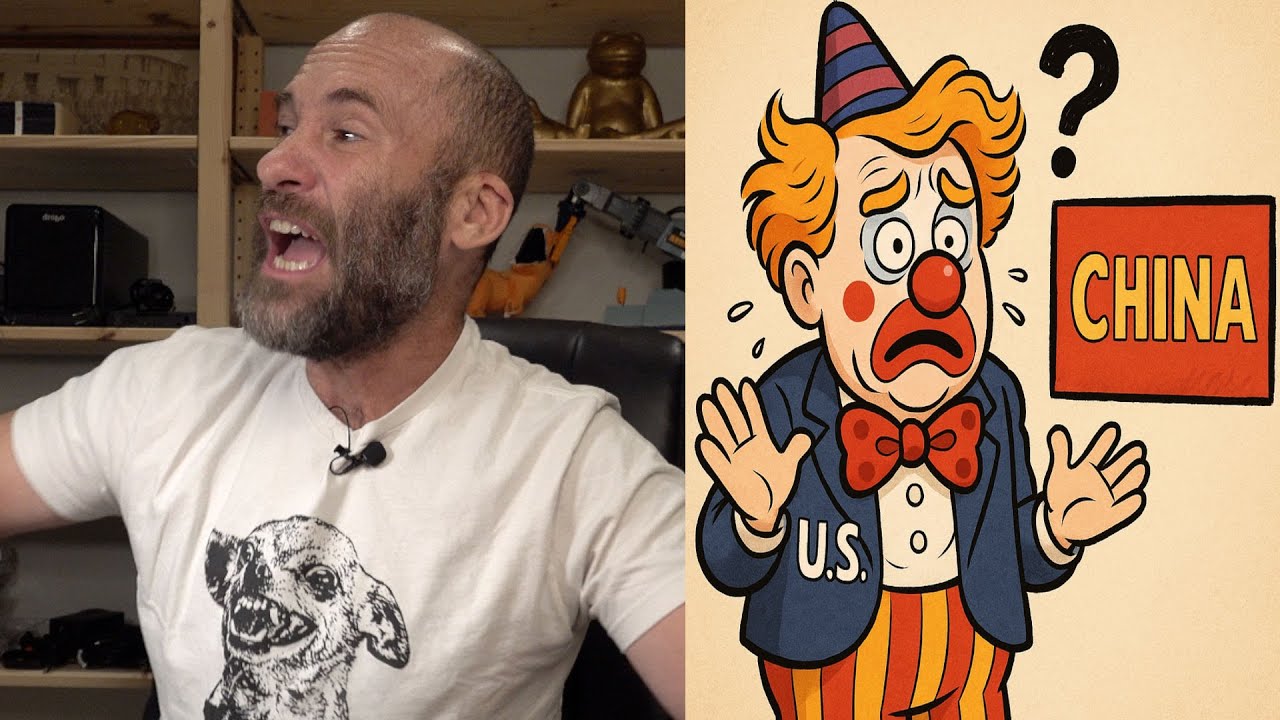
In the video, Eli, the computer guy, criticizes the U.S. government’s contradictory and confusing AI export policies, particularly the approval of Nvidia’s advanced H200 chips sales to China despite labeling China as a threat. He highlights the strategic risks, corporate complicity, and lack of coherent national AI policy, urging viewers to question the rationale and implications behind these decisions.
In this video, Eli, the computer guy, expresses strong frustration with the current U.S. administration’s policies, particularly those related to technology and AI exports to China. He criticizes former President Trump’s inconsistent and seemingly incoherent approach, highlighting the recent decision by the Department of Commerce to approve the export of Nvidia’s advanced H200 AI chips to China. Eli points out the irony and confusion in labeling China as an existential threat due to AI while simultaneously allowing the sale of powerful AI hardware to them. He also mocks the political theater surrounding these decisions, including the unclear nature of a 25% fee or tax imposed on these sales.
Eli delves into the technical and strategic implications of selling AI chips that are 18 months old to China. He argues that the age of the hardware does not necessarily diminish its value or impact, as many technologies remain relevant and effective well beyond their release dates. He stresses that the real concern should be about the use cases and solutions enabled by the technology rather than just how “advanced” the chips are. Eli also criticizes the lack of a coherent national AI policy, noting that Congress is attempting to block such exports with proposed legislation, but the executive branch under Trump is overriding these efforts.
The video also discusses the challenges faced by companies and governments when dealing with legacy technology and vendor lock-in. Eli uses examples like the Air Force’s reliance on virtualization software that became unavailable after Oracle’s acquisition to illustrate the risks of dependency on foreign or unstable suppliers. He warns that Chinese companies might hesitate to rely on American AI hardware due to the unpredictable nature of U.S. export policies, which could disrupt their long-term infrastructure plans. This uncertainty could push China to favor domestic alternatives like Huawei, despite potential drawbacks.
Eli is highly critical of corporate America’s relationship with the Trump administration, particularly Nvidia’s CEO Jensen Huang, whom he accuses of excessive flattery toward Trump despite policies that may harm the company. He questions whether corporations genuinely support the administration’s approach or are simply trying to avoid negative repercussions. Eli also expresses skepticism about the 25% cut the government takes from these sales, wondering if it is a tax, fee, or some form of kickback, and laments the overall lack of transparency and rationality in these dealings.
In conclusion, Eli calls for viewers to reflect on the absurdity and contradictions in current U.S. AI export policies and the broader political environment. He encourages discussion about the implications of selling advanced AI technology to China and the risks involved for both sides. Throughout the video, he promotes his free technology education platform, Silicon Dojo, and invites viewers to engage with his content and support his mission. Eli’s tone is a mix of frustration, sarcasm, and concern for the future of technology policy and its impact on the industry.