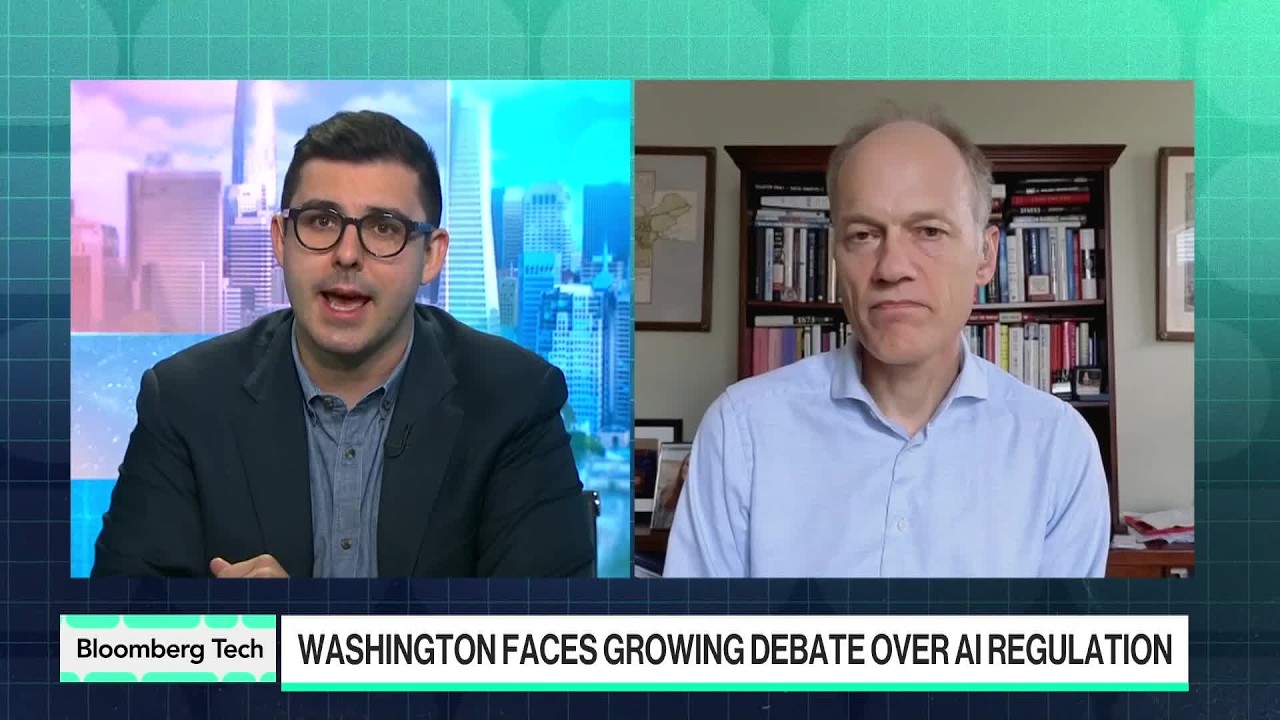
The Trump administration is actively promoting the integration of AI into government operations to enhance efficiency and maintain U.S. leadership in global AI competition, while involving tech industry experts to increase the initiative’s chances of success. At the same time, the administration is engaging with cautious voices from the AI community to balance rapid innovation with safety and ethical considerations, reflecting a more nuanced approach to AI policy.
The Trump administration is making a notable push to integrate artificial intelligence (AI) into government operations, aiming to create a more efficient and accessible federal bureaucracy. The initiative seeks to leverage AI to simplify interactions between the American public and the government, potentially transforming how citizens engage with federal services. While there is optimism about this effort, there is also cautious reflection on past government tech projects, such as the Obama-era healthcare portal, which faced significant challenges and ultimately failed. The hope is that this new AI-driven approach will avoid similar pitfalls by involving experienced industry professionals.
President Trump has surrounded himself with leaders from the tech industry, which lends credibility to the administration’s AI ambitions. This strategy suggests a belief that entrusting knowledgeable experts will increase the likelihood of success. Historically, when government tech projects faltered, tech sector experts were brought in to help salvage and redirect efforts. The current AI initiative is seen as a promising attempt to finally achieve the long-discussed goal of a more efficient government, with AI acting as a force multiplier to cut through bureaucratic complexity.
A key aspect of the administration’s AI agenda is its framing within the context of global competition, particularly with China. President Trump emphasizes that America is currently ahead in AI development and advocates for continued rapid progress without unnecessary slowdowns. This stance reflects a broader push to maintain U.S. leadership in AI technology and innovation, underscoring the strategic importance of AI in national competitiveness and security.
However, the administration’s approach is not without internal tensions, especially regarding the pace of AI development and the associated risks. Notably, Dani Burger from Anthropic, a company known for its cautious stance on AI and emphasis on existential risks, is participating in discussions with the administration. This inclusion signals a potential shift toward a more balanced approach that considers both the benefits of accelerating AI innovation and the critical need to address safety and ethical concerns. Recent communications from AI labs and leaders have highlighted the importance of managing existential risks, reflecting a growing awareness within the industry.
Overall, the Trump administration’s AI push appears to be evolving into a more nuanced effort that seeks to harness AI’s potential for government efficiency while also engaging with voices advocating for caution and safety. The presence of diverse perspectives at high-level meetings suggests an acknowledgment of the complex challenges AI presents. While the outcome remains uncertain given the administration’s unpredictable nature, this development marks a significant moment in how AI policy and governance might be shaped in the near future.
Useful Links