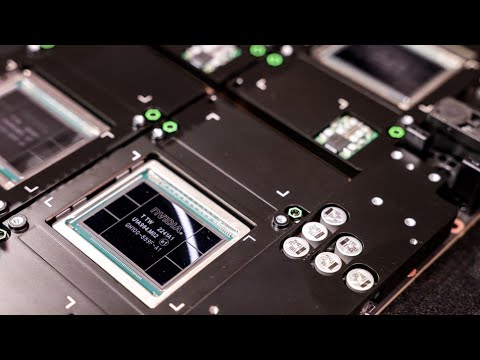
The discussion centers around Nvidia’s H200 chip, which is part of the company’s prior generation lineup. While Nvidia’s latest generation chips, such as the Blackwell series, are significantly more powerful and faster, the H200 remains a notable product. Currently, Nvidia is allowed to ship the H200 chip to China, but demand has been low due to geopolitical tensions and Chinese companies’ reluctance to purchase Nvidia products. The H200 chip is priced lower than the latest generation, making it a potentially attractive option if restrictions ease.
In terms of performance, the H200 chip represents a significant upgrade over the chips China currently has access to, matching or exceeding competitive alternatives available in the Chinese market. Although it is not as advanced as Nvidia’s newest Blackwell chips, the H200 would still be a substantial improvement for Chinese buyers. This makes the potential licensing of the H200 chip to China a major opportunity for Nvidia, especially if geopolitical conditions improve and Chinese companies become more willing to purchase these chips.
From a financial perspective, the ability to sell the H200 chip in China could positively impact Nvidia’s earnings. Currently, Nvidia’s sales in China are limited, with only about $50 million worth of chips sold in a recent quarter, largely due to geopolitical friction and Chinese government preferences. If Nvidia secures a license to sell the H200 chip, it could motivate hesitant buyers and increase sales in the Chinese market. However, this potential growth depends heavily on easing geopolitical tensions and China allowing its companies to adopt Nvidia’s technology more freely.
The conversation also touches on Nvidia CEO Jensen Huang’s relationship with the White House, suggesting that he holds significant influence and access to key political figures. Nvidia’s status as one of the largest and most valuable companies, combined with its leadership in AI innovation, positions Huang in important circles where decisions about technology and trade policies are made. This relationship could play a role in the ongoing discussions about allowing Nvidia to sell advanced chips like the H200 to China.
Finally, the debate about whether restricting advanced chip sales to China actually slows their technological progress is addressed. Historical data suggests that limiting access to advanced technology often accelerates innovation in the restricted country, as they work harder to develop their own solutions. China, with its abundant resources and power supply, can compensate for less efficient chips by pooling multiple units together. While restricting sales might slow China’s progress temporarily, it is unlikely to stop it entirely. Overall, allowing Nvidia to sell the H200 chip to China is seen as a win for Nvidia, potentially reopening a significant market for the company.