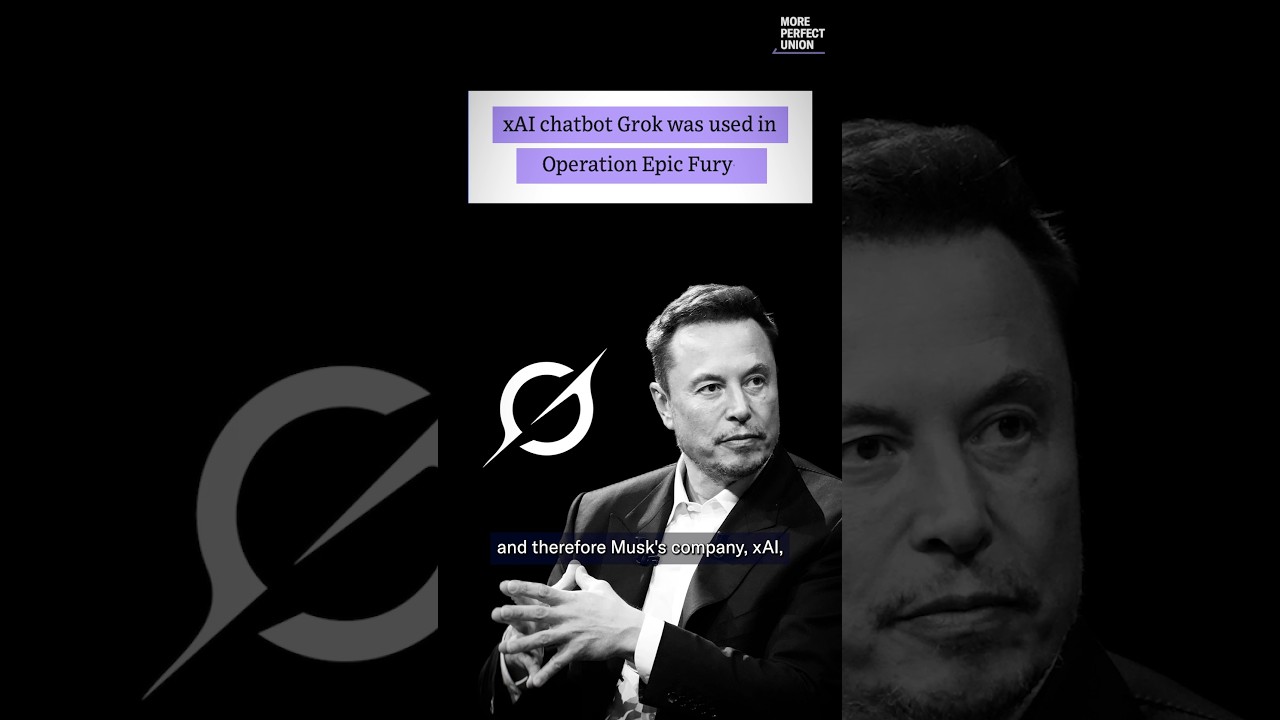
The Trump administration’s DOJ has defended Elon Musk’s AI company xAI against an environmental lawsuit by claiming its AI model Grok is a critical military asset used in U.S. strikes on Iran, thus shielding it from pollution regulations. This move prioritizes national security and AI industry interests over local residents’ health and environmental protections, setting a concerning precedent for future environmental lawsuits.
The Trump administration’s Department of Justice (DOJ) has filed a surprising legal argument defending Elon Musk’s AI company xAI against a lawsuit brought by the NAACP under the Clean Air Act. The NAACP sued xAI for operating numerous unpermitted and polluting gas turbines at its Memphis data centers, which have negatively impacted local air quality. However, the DOJ intervened to block the lawsuit, claiming that xAI’s AI model, Grok, is a critical military asset and therefore protected from such environmental regulations.
In its filing, the DOJ asserts that Grok is one of only three AI models capable of supporting mission-critical military operations. The document includes a statement from the War Department revealing that Grok played a direct role in enabling U.S. forces to deploy over 2,000 munitions to 2,000 targets within 96 hours during a military strike on Iran earlier this year. This marks the first official acknowledgment that Grok was used by the U.S. military in active combat operations.
The DOJ’s argument essentially claims that because Grok supports national security and military actions, including bombing campaigns, local communities cannot sue to enforce environmental laws against xAI. This sets a potentially dangerous precedent where the government could invoke national security to block any environmental lawsuit, prioritizing military and AI industry interests over public health and environmental protection.
Despite the DOJ’s defense, it does not dispute that xAI is polluting the Memphis area. The company operates 59 unpermitted gas turbines, causing significant noise and air quality degradation. Residents have reported health impacts, including concerns for vulnerable populations such as elderly patients with heart conditions. The community’s grievances highlight the tangible consequences of prioritizing AI infrastructure expansion over environmental and public health safeguards.
This case reflects a broader shift in government policy, where promoting AI industry growth and energy infrastructure for AI dominance is treated as an urgent national priority. The Trump administration’s EPA had previously emphasized AI promotion as a core mission, and now the DOJ is actively defending polluting AI operations by framing them as essential to national security. This raises critical questions about balancing technological advancement, military needs, and environmental justice.