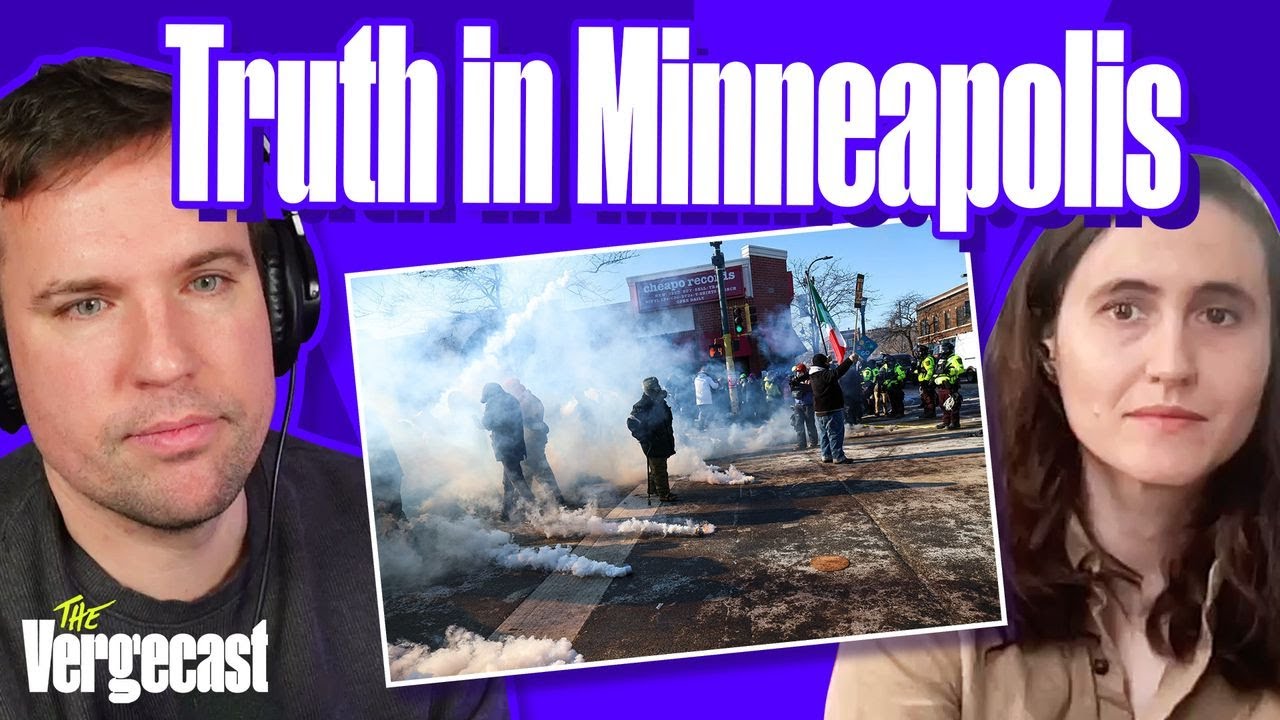
The episode of The Vergecast opens with host David Pierce reflecting on a snow day at home and the challenges of being stuck inside with his kids. He sets the stage for a wide-ranging episode, beginning with a discussion about the recent killing of Alex Py by ICE agents in Minneapolis. David is joined by Addy Robertson to explore not just the tragic event itself, but how such incidents are documented, shared, and debated online. They note the evolution of citizen documentation, the proliferation of video evidence from multiple angles, and how quickly information—and misinformation—now spreads, especially with the rise of AI-enhanced images that can distort reality.
David and Addy delve into the challenges of discerning truth in an era where AI tools can easily manipulate photos and videos. They discuss how, despite the abundance of documentation, bad-faith arguments and discourse traps persist, often distracting from the core issues. The conversation highlights the difficulty for the average person to trace the provenance of images and videos, especially when AI-generated enhancements can introduce misleading details. They also touch on the lack of established social norms or technical solutions for dealing with AI-generated stereotypes and misinformation, and the growing public outcry as these issues become more visible and consequential.
The episode then transitions to the recent changes at TikTok, focusing on the completion of a long-awaited deal that shifts TikTok US ownership and governance. Addy and David discuss the implications of new leadership, data privacy concerns, and the ongoing opacity of TikTok’s algorithm. They express skepticism about whether the changes will meaningfully address concerns about data collection and content moderation, especially given the backgrounds and political connections of the new owners. The conversation also considers the broader context of social media platform accountability, the potential for increased censorship, and the likelihood that TikTok’s user experience will change—possibly for the worse—as the new algorithm is implemented.
In the second half of the show, David interviews podcast critic Nick Quah about the changing landscape of podcasts, particularly the rise of video podcasts and Netflix’s entry into the space. They discuss how the definition of a “podcast” is blurring as more shows are produced with video in mind, often resembling cheap talk shows or “cheap television.” Nick and David note that while video helps podcasts reach new audiences via social media, it also changes the nature of the content and the relationship with listeners. They debate whether the term “podcast” still has a clear meaning, and whether the industry’s shift toward video and platform exclusivity risks losing the open, accessible spirit that defined podcasting’s early years.
The episode wraps up with a lighthearted segment on phone call etiquette, prompted by a listener’s comment about the social signals of holding a phone while wearing AirPods. David humorously ranks different ways of appearing to be on a call in public, reflecting on how technology has changed social norms. He closes by encouraging listeners to share their experiences and thoughts on the heavy topics discussed, promising continued coverage of the Minneapolis story, TikTok developments, and the evolving world of AI and gadgets. The show ends with credits and a reminder to subscribe and stay engaged with The Verge’s ongoing reporting.