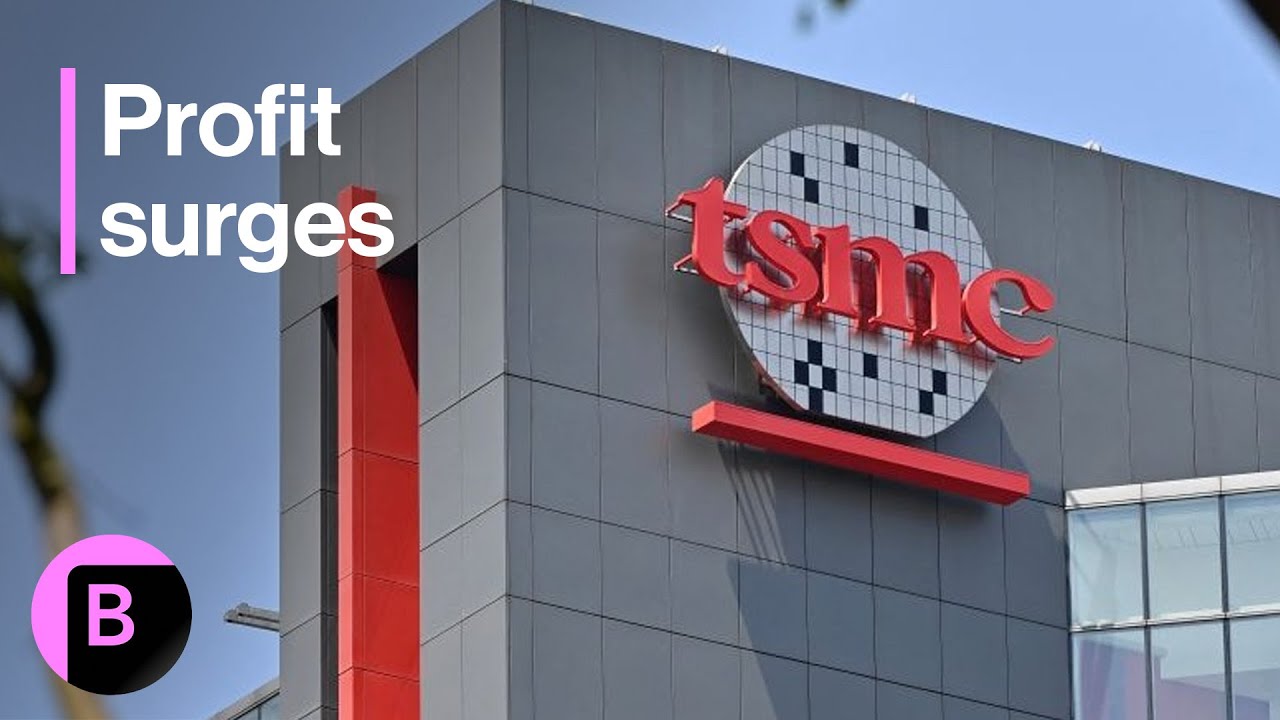
TSMC reported a strong quarter with a 58% increase in net income and a gross profit margin of 66.2%, driven by effective cost management and robust demand from key customers like Apple and Nvidia. Investors are closely watching TSMC’s outlook on AI-related sales, capital expenditure plans, and potential geopolitical risks, particularly supply chain impacts from the Middle East conflict.
TSMC has reported a strong quarter with a 58% growth in net income, surpassing consensus estimates. The company also achieved a gross profit margin of 66.2%, higher than the anticipated 64%. This performance indicates that TSMC has effectively managed cost control despite rising raw material costs and has not been significantly impacted by the ongoing Middle East conflict.
A key focus for investors is TSMC’s outlook on AI demand, especially in light of ASML’s disappointing guidance for the current quarter. The company’s commentary on AI-related sales and capital expenditure will be closely scrutinized during the earnings call, as these factors are critical to understanding future growth prospects.
Morgan Stanley expects TSMC to raise its sales guidance for the year to around mid-30% growth and to announce capital spending of approximately $200 billion over the next three years. This optimism is driven by strong demand from major customers like Apple and Nvidia, which could act as catalysts for broader global trade and semiconductor industry growth.
Beyond AI, investors are also interested in TSMC’s views on consumer electronics demand, particularly whether higher memory prices might dampen sales. Additionally, there is concern about potential longer-term impacts from the Middle East war, including supply chain disruptions and delays in obtaining essential raw materials like helium, which is crucial for chip manufacturing.
Overall, while TSMC’s recent results are impressive, the market will be paying close attention to the company’s guidance on AI demand, capital spending plans, and the broader geopolitical risks that could affect the semiconductor supply chain in the future.