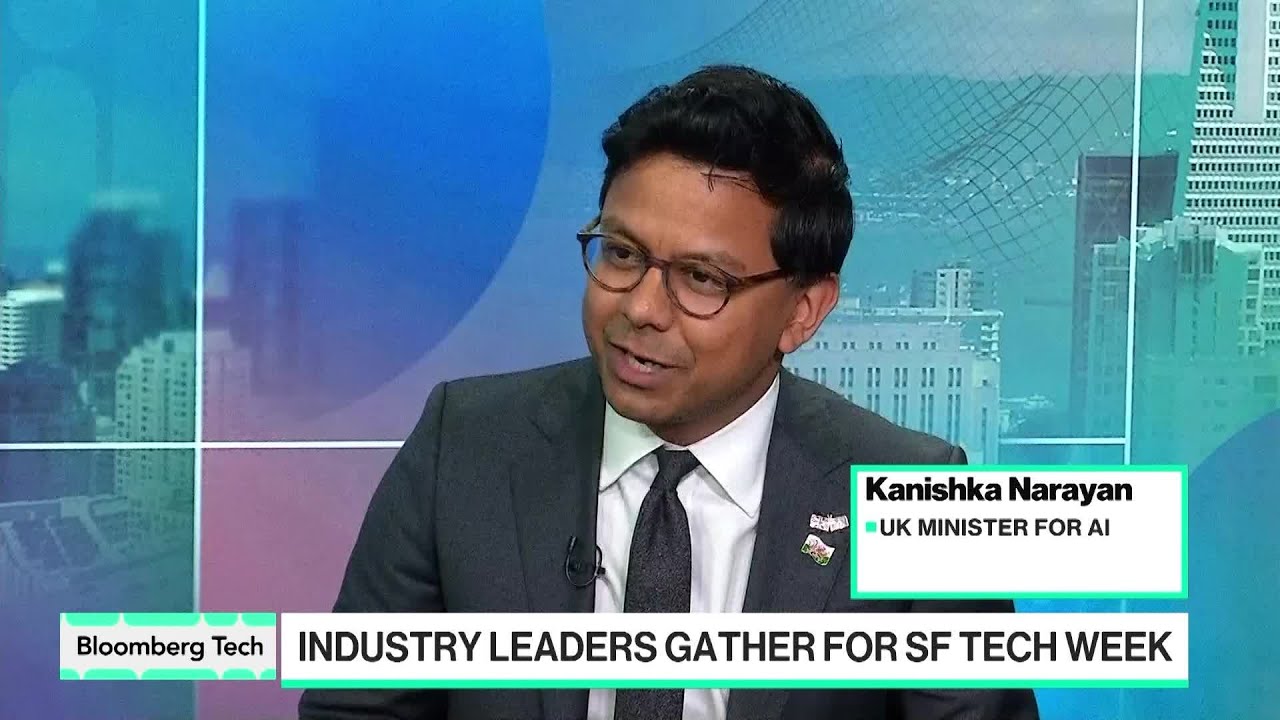
MP Narayan highlights the UK’s strategic efforts to expand its AI sector through strong US collaboration, significant investments, and regional job creation while nurturing domestic talent and infrastructure. He emphasizes balancing AI growth with net-zero energy goals, encouraging investment and innovation supported by government facilitation and renewable energy commitments.
In the video, MP Narayan discusses the UK’s strategic focus on expanding its AI sector and fostering stronger tech collaboration with the United States. He highlights the historic scale of investments, including the largest ever investment by Microsoft in the UK, emphasizing the deep economic ties and mutual strengths between the UK and US tech industries. Narayan stresses the importance of promoting UK tech prosperity and opening doors for closer business cooperation between the two nations.
Narayan acknowledges the UK’s dependence on major American technology companies for both software and hardware innovation but also points out the UK’s own significant contributions, such as DeepMind, ARM chip design, and a growing community of AI entrepreneurs. He emphasizes the UK’s openness to global investment while ensuring that talent, capital, and computing resources are nurtured domestically to build a robust AI ecosystem within the country.
Addressing regional development, Narayan explains the government’s commitment to spreading AI-related opportunities beyond London and major cities. He mentions specific initiatives like creating thousands of jobs in areas such as the semiconductor industry in Wales and the North East of England. While data centers may not generate many jobs directly, they serve as critical infrastructure that supports broader economic growth and innovation in AI technologies across the UK.
On the topic of financing AI infrastructure, Narayan notes the evolving market recognition of the value in building AI capabilities and infrastructure. He clarifies that the UK government is focused on facilitating growth through efficient permitting and planning rather than direct financial investment unless necessary. The government aims to scale infrastructure and talent development while maintaining fiscal responsibility and avoiding unnecessary taxpayer expenditure.
Finally, Narayan addresses the challenge of balancing AI growth with the UK’s net-zero energy commitments. He explains that the government is committed to building AI infrastructure powered by renewable energy and leveraging AI to enhance the efficiency of renewable energy deployment. He calls on UK capital markets and investors to embrace risk and invest in the future of AI, assuring them that the government will support these efforts by streamlining processes and fostering an environment conducive to innovation and growth.