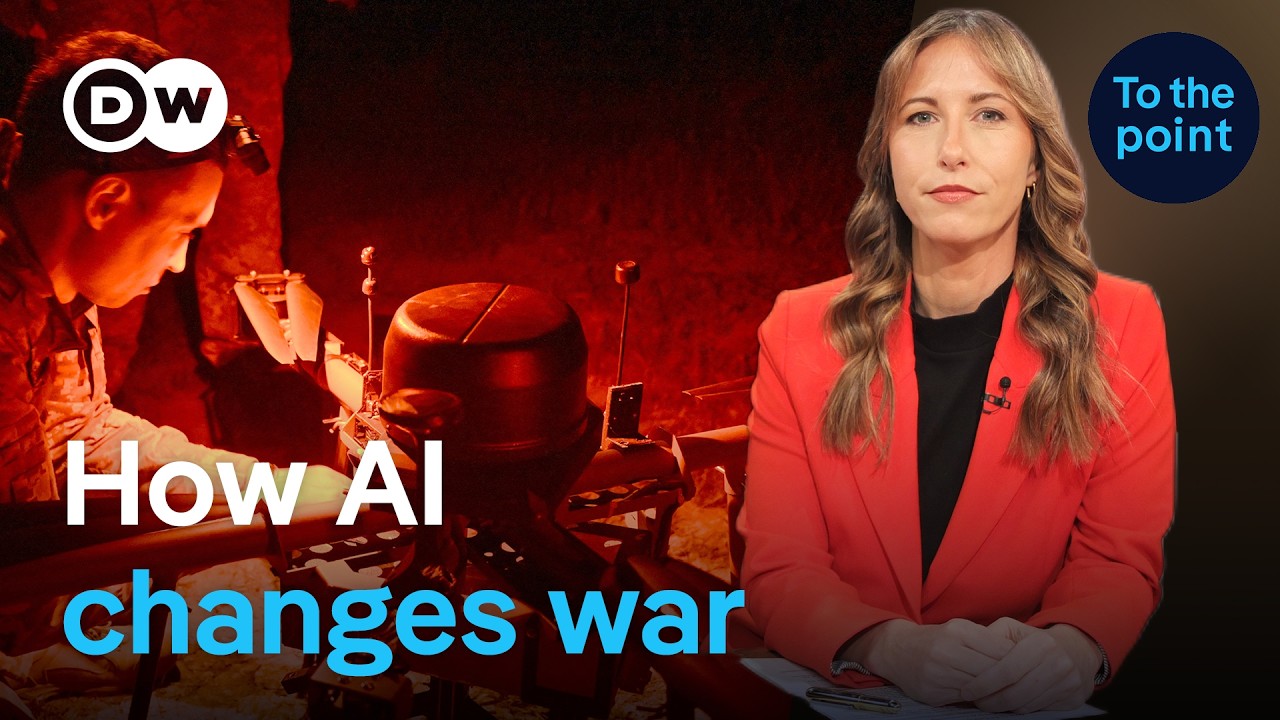
The ongoing war in Ukraine, initially expected to last only a few days, has persisted for four years despite heavy Russian attacks and significant casualties. A key factor in Ukraine’s resilience is its early and substantial investment in artificial intelligence (AI) and robotics, which has helped offset its numerical disadvantages on the battlefield. Germany, recognizing the importance of these technological advancements, is keen to learn from Ukraine’s frontline experience to modernize its own military forces. The conflict has accelerated the integration of interconnected weapon systems, advanced surveillance, and rapid decision-making processes, collectively known as the “kill chain,” transforming how battles are fought.
While the war has not introduced a revolutionary change in military affairs akin to nuclear weapons, it has significantly accelerated existing trends, particularly in speeding up decision-making and battlefield responsiveness. Ukraine has developed deep strike capabilities, including long-range attacks on Russian infrastructure, and has effectively utilized a combination of cheap drones, data analytics, electronic warfare, robotics, and traditional artillery. These innovations have allowed Ukraine to inflict substantial damage on Russian forces and infrastructure, despite limited resources. Russia, meanwhile, has struggled to keep pace, particularly in drone warfare and autonomous systems, highlighting a growing technological gap.
A critical aspect of Ukraine’s use of AI and robotics is the emphasis on meaningful human control rather than fully autonomous weapons. Most systems, such as drones, remain under human supervision, ensuring accountability and ethical considerations in combat decisions. However, the rapid pace of technological advancement raises concerns about regulation and legal responsibility, especially regarding autonomous weapon systems. International consensus on regulating AI in warfare remains elusive, and national frameworks are increasingly important to ensure trustworthy and ethical use of these technologies.
Germany is actively seeking to incorporate lessons from Ukraine into its military strategy, focusing on rapid learning, procurement, and training to keep pace with modern warfare demands. The Bundeswehr is investing in new technologies, including loitering munitions and AI-driven systems, while grappling with challenges related to bureaucracy and military sovereignty, especially concerning reliance on foreign technology providers like U.S.-based companies. Collaboration with Ukraine is expanding, with joint ventures in drone production and knowledge exchange, reflecting a shift from Ukraine being a recipient of aid to becoming a security provider and technological partner.
The broader implications of AI and robotics in warfare include a potential lowering of the threshold for armed conflict, as the reduced risk to human soldiers might make military engagement more tempting. However, experts caution that even limited conflicts can escalate rapidly with these technologies. Ultimately, while these advancements can enhance safety by improving defense capabilities and reducing casualties, they also pose ethical, legal, and strategic challenges that require careful management. The key lesson for Germany and other nations is the need for speed and adaptability in adopting and regulating these emerging military technologies.