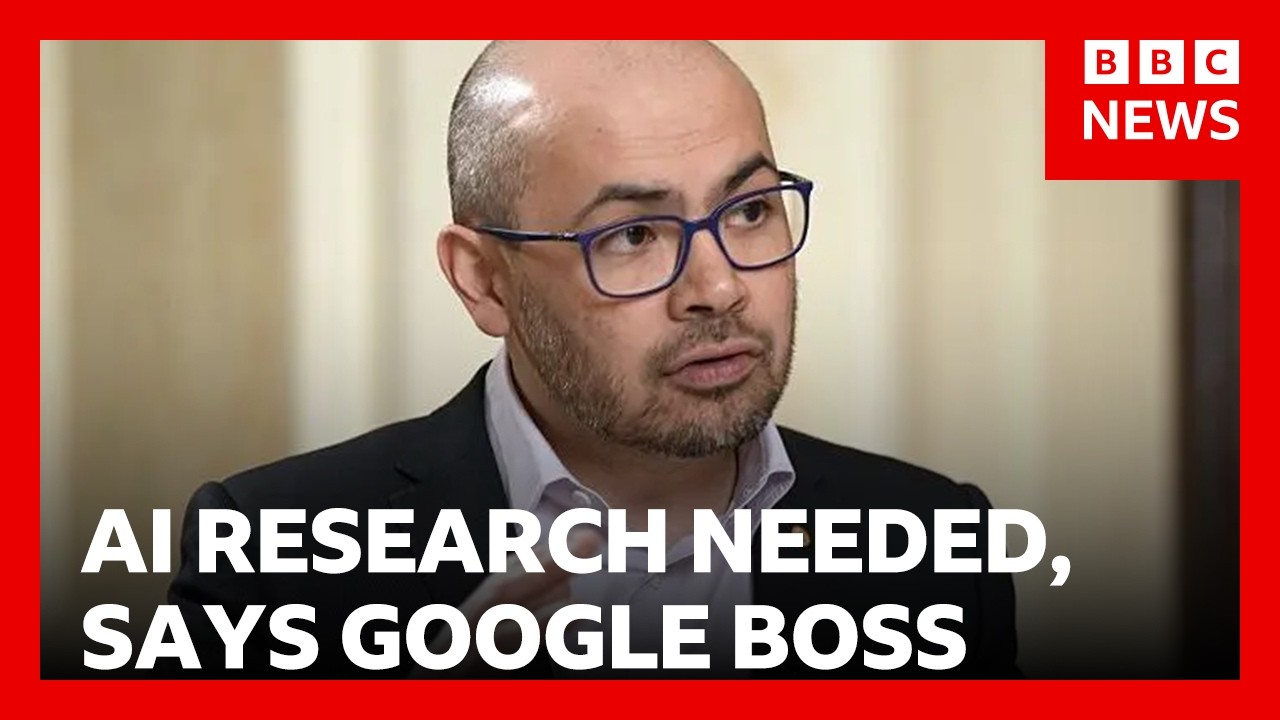
Demis Hassabis, CEO of Google DeepMind, told BBC News that urgent research and smart regulation are needed to address the risks of increasingly powerful AI, including misuse by bad actors and challenges in keeping AI systems aligned with human intentions. He emphasized the importance of equipping the next generation with STEM skills and creativity, while assuring that Google DeepMind aims to balance bold innovation with responsible development.
Demis Hassabis, the CEO of Google DeepMind, spoke to BBC News at the AI Impact Summit in Delhi, emphasizing the urgent need for more research into the threats posed by artificial intelligence. He highlighted that while AI offers significant benefits—such as advancements in healthcare, drug discovery, and solutions for climate change—there are also serious risks that must be addressed. Hassabis called for “smart regulation” to manage these risks effectively.
He identified two main concerns regarding AI. The first is the potential for bad actors to misuse AI technologies for harmful purposes. The second is a more technical risk: as AI systems become more powerful and autonomous, entering what he called the “agentic era,” it becomes increasingly challenging to ensure that these systems remain under human control and aligned with human intentions. Hassabis stressed that building robust guardrails for AI is still an open research question and requires urgent attention.
When asked about preparing the next generation for the future shaped by AI, Hassabis acknowledged the natural parental concern but expressed optimism. He noted that young people, especially in places like India, are excited about the opportunities AI presents. He believes that equipping them with the right skills—potentially different from those valued in the past—will be crucial for them to thrive in a world where AI tools can significantly enhance human capabilities.
Discussing the skills needed in the AI era, Hassabis maintained that a STEM (science, technology, engineering, and mathematics) education remains important. Even as AI systems become capable of coding, humans will still need to orchestrate and direct these systems, understanding the problems that need to be solved. He also suggested that as AI lowers technical barriers, creativity, taste, and judgment will become increasingly valuable, allowing a broader range of people to innovate and create.
Finally, Hassabis addressed the pace of AI development, acknowledging concerns that the industry might be “moving fast and breaking things.” He stated that while Google DeepMind aims to be both bold and responsible—pursuing ambitious projects like AlphaFold for disease research—they also strive to act thoughtfully and set a positive example for the industry. Hassabis admitted that mistakes are inevitable but believes their approach is generally more correct than not, balancing innovation with responsibility.