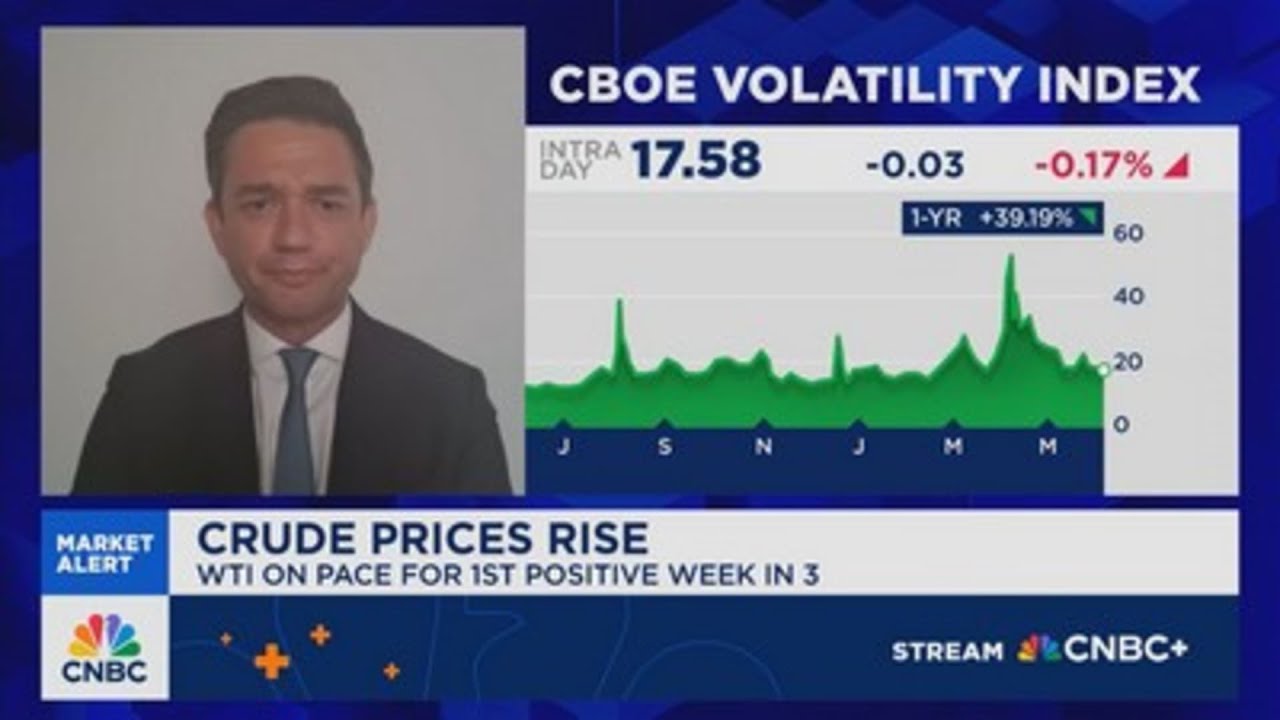
The discussion begins with Storm highlighting current economic headwinds such as rising prices, slowing hiring, and inflation concerns, which are impacting consumer confidence and spending. Despite these challenges, Storm expresses optimism about opportunities within consumer-facing platforms that are AI-first, have strong distribution, and deliver value to consumers. Companies like Netflix, Spotify, and Uber are cited as successful examples of such platforms, and Storm points out that other companies like Shopify and Lemonade are employing similar strategies and delivering comparable results, even if they are not yet fully recognized or rewarded by the market.
Storm emphasizes that these consumer platforms are able to maintain consumer loyalty and reduce costs through automation and innovative delivery of products. He suggests that in a more difficult economic environment, consumers will gravitate toward platforms that offer better value and lower prices. This is especially true for companies like Affirm and Lemonade, which focus on providing affordable, value-driven solutions. Storm believes that these companies will benefit from economic headwinds because they meet consumer needs for cost-effective and innovative products.
The conversation then shifts to alternative investments, specifically private equity and private credit, with Storm highlighting two asset managers—Apollo and Blackstone—that have experienced recent stock price declines but still hold strong long-term potential. He argues that these firms are positioned to benefit from significant infrastructure investments needed over the next decade, including data centers, transportation, and power supply. Storm sees these companies as crucial enablers of this infrastructure build-out and believes that their current valuations present a good entry point for investors.
Storm explains that the long-term structural case for Apollo and Blackstone remains robust due to their role in facilitating large-scale infrastructure projects and their ability to capitalize on market volatility. He notes that these firms have historically delivered strong shareholder returns, around 20% annually over the past decade, by providing services that banks can no longer offer due to regulatory constraints. He anticipates that as capital markets eventually reopen and liquidity increases, these companies will be able to exit investments made over the past decade, further boosting their growth prospects.
Finally, Storm addresses concerns about how a potential loosening of liquidity and increased IPO activity might impact these alternative asset managers. He argues that their business models are resilient because they operate in areas with structural growth and benefit from ongoing infrastructure needs. While acknowledging the volatility of their stocks, he maintains that their strategic positioning and the ongoing demand for infrastructure investments will enable them to continue generating strong returns. Overall, Storm presents a bullish outlook on both consumer platforms and alternative asset managers, emphasizing their roles in navigating current economic challenges and capitalizing on future growth opportunities.