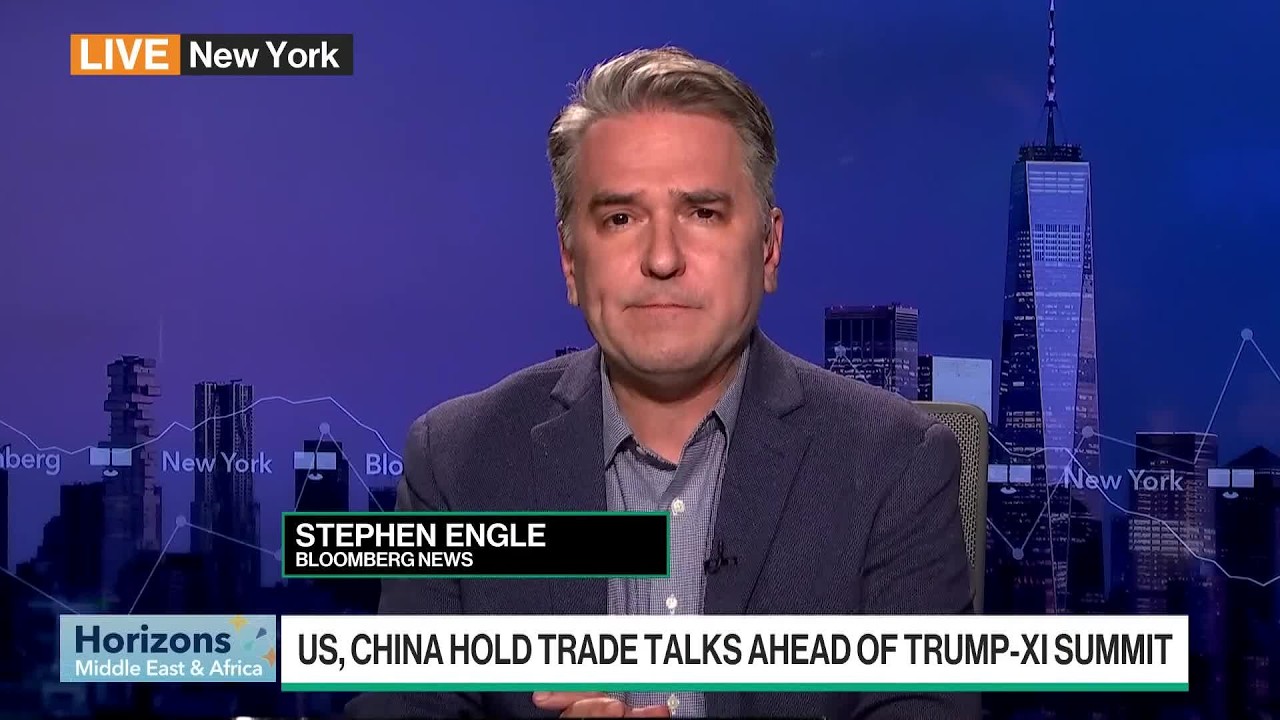
The US and China recently held extensive talks on artificial intelligence (AI) and trade issues ahead of a presidential summit between Donald Trump and Xi Jinping. The discussions, which lasted about seven to eight hours at JPMorgan Chase headquarters, were described as successful by Scott Bessent, a key US negotiator. The Chinese side, represented by their top trade negotiator under the state council, also indicated a positive outcome, using a phrase that translates to “not bad,” which implies a good result in Chinese. The talks are set to continue the following day at a working level, though some top leaders will not be present.
AI was a major focus of the discussions, especially given recent tensions over accusations from the US that Chinese AI models have engaged in intellectual property theft from American companies like Anthropic and OpenAI. These accusations had previously caused friction, but the tone during the talks shifted towards cooperation. Both sides agreed on the need to establish guardrails and monitoring mechanisms for AI development, moving away from earlier rhetoric about slowing down AI progress, which the Chinese had dismissed as fear mongering and self-serving.
Looking ahead to the upcoming presidential summit, a key objective is to extend the existing trade truce, originally agreed upon in Busan, Korea, in November of the previous year. Extending this truce for another year would provide both countries with more time to develop and implement detailed frameworks for AI dialogue and cooperation. This extension is seen as crucial for maintaining stability and fostering constructive engagement between the two economic powers.
Despite the cooperative tone in the talks, the competition for technological supremacy, particularly in AI, remains intense. Both the US and China are vying for leadership in this critical field, and neither side is expected to concede ground easily. US officials, including Scott Bessent, have emphasized America’s position as a leader in AI, framing it as a domain for the “good guys,” a statement that underscores the competitive and somewhat adversarial nature of the relationship.
Overall, while the discussions signal a willingness to engage and establish frameworks for managing AI development responsibly, the underlying rivalry between the US and China persists. The talks represent a step towards dialogue and potential cooperation, but the battle for dominance in AI technology is likely to continue, with both nations seeking to balance competition with the need for mutual oversight and regulation.