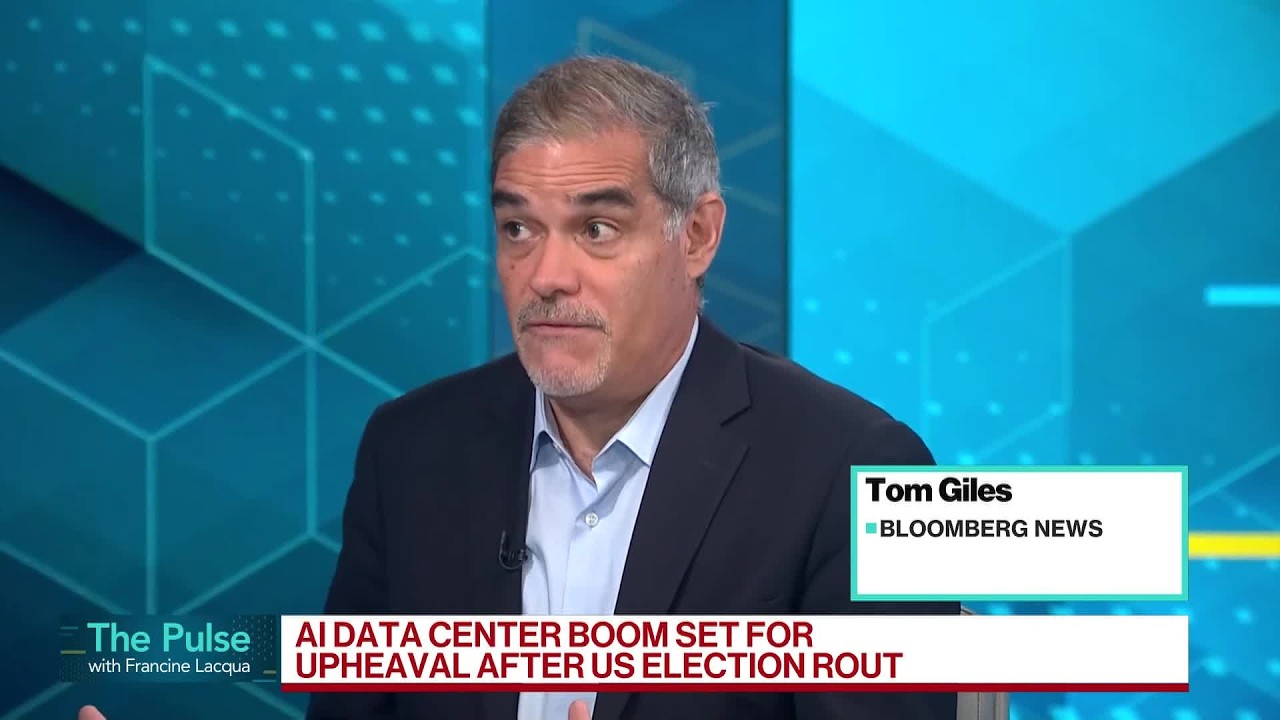
The recent US midterm elections, highlighted by Texas turning blue, have intensified scrutiny on tech companies, particularly concerning data center developments and large mergers like the proposed Tesla-SpaceX deal, amid growing environmental and regulatory concerns. In response to the political shift favoring Democrats, tech firms are revising their lobbying strategies to navigate a tougher regulatory landscape and increased congressional oversight.
The recent US midterm elections have brought significant political shifts, notably Texas turning blue for the first time since 1988. This change is closely linked to concerns over data centers and their impact on AI development. The election results cast doubt on major tech mergers, such as the proposed Tesla and SpaceX merger potentially slated for 2027. The current administration has been cautious about approving large tech mergers, signaling a tougher regulatory environment that could hinder such deals despite ongoing control of key agencies by former President Trump’s allies.
The midterm outcomes represent a political rebuke not only to Trump but also to influential figures like Elon Musk, who heavily supported Republican candidates with substantial donations. Following the election results, shares of Tesla and SpaceX experienced a decline, reflecting market uncertainty about the future of these companies and their strategic plans. While Congress alone cannot block mergers, the shift in legislative power means increased scrutiny and obstacles for tech companies attempting to push through large-scale deals.
Data centers have emerged as a contentious issue in this election cycle, with new political leadership in states like Texas advocating for moratoriums on data center projects. This could lead to delays or restrictions on up to half of the planned data center developments in states such as Ohio, Texas, and Pennsylvania. The growing opposition stems from concerns over rising energy costs and environmental impacts, prompting voters to demand a slowdown in the expansion of these facilities.
The tech industry’s close ties with the Trump administration are now under increased examination. Many tech executives had cultivated strong relationships with the previous administration, including frequent visits to Mar-a-Lago and significant financial support for Trump’s initiatives. With Democrats gaining influence, congressional leaders may initiate investigations and hearings to scrutinize these alliances, potentially distracting tech companies and complicating their regulatory landscape.
In response to the political shift, major tech firms are already adjusting their lobbying strategies by hiring Democratic lobbyists and restructuring their Washington, D.C. offices to better engage with the new power dynamics. This pivot reflects the industry’s recognition that maintaining influence will require building new relationships with Democratic lawmakers, marking a significant change from their previous alignment with Republican leadership. Overall, the midterm results signal a more challenging environment for tech companies, particularly regarding mergers, data center projects, and government relations.
Useful Links