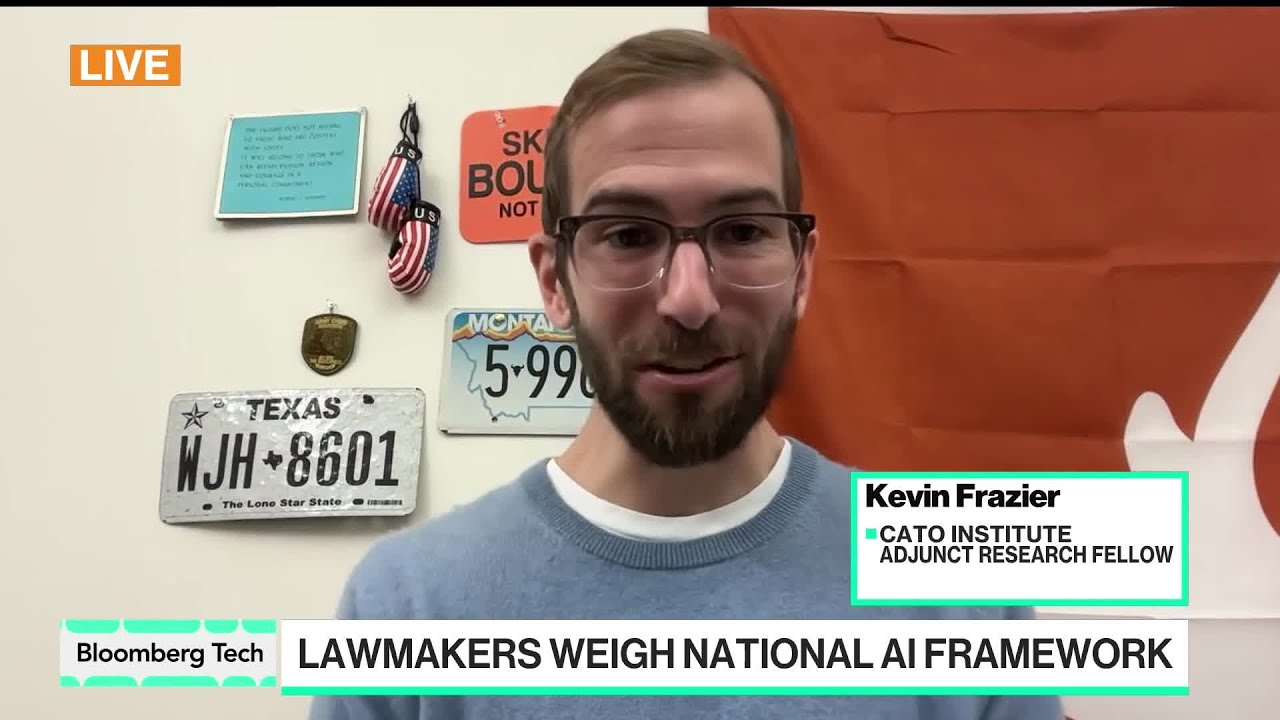
Kevin Frazier argues that the US must treat AI infrastructure, especially data centers, as critical national infrastructure requiring coordinated government investment and supply chain resilience to maintain technological and geopolitical leadership. He also emphasizes dispelling misinformation, balancing energy demands with grid stability, and leveraging innovations like renewable energy integration to support sustainable AI development.
Kevin Frazier emphasizes that the development of AI infrastructure, particularly data centers, should be treated as a national challenge in the United States. He points out that several states have considered bans or moratoria on data center construction, which is problematic because data centers are essential not only for AI but also for healthcare, commerce, and the overall functioning of the internet. Frazier stresses the importance of coordinated efforts among states, cities, and the federal government to ensure the build-out of AI infrastructure aligns with national ambitions.
Addressing the issue of US reliance on China for key AI components, Frazier advocates for strengthening supply chains through collaboration with allies. He highlights vulnerabilities in the supply of critical materials like chips and helium, which are essential for AI development. To build resilience and redundancy in the supply chain, he argues that substantial funding and political leadership are necessary, noting that current efforts lack unified direction and urgency.
Frazier supports increased investment from the US government, framing AI infrastructure as a form of critical national infrastructure comparable to highways and ports. He underscores the government’s historical role in ensuring the availability and resilience of essential infrastructure, suggesting that AI infrastructure should be treated similarly to avoid geopolitical risks. This perspective calls for taxpayers and government funding to play a central role in supporting AI build-out.
To gain political and public support, Frazier stresses the need to dispel misinformation about AI infrastructure, such as myths about data centers creating harmful heat islands. He points out that such distractions hinder progress and that the focus should instead be on the national security implications of AI. He notes that AI is increasingly vital in military contexts, making it imperative for the US to maintain access to the most advanced and reliable AI models.
Finally, Frazier addresses concerns about the impact of increased data center power consumption on the electricity grid and consumer bills. He believes it is possible to balance AI infrastructure growth with grid stability and affordability. He highlights ongoing efforts to improve data center efficiency and integrate renewable energy, citing examples like Oklahoma’s support for behind-the-meter power solutions. These innovations can help make the grid more resilient and increase capacity, especially by scheduling energy-intensive AI training during low-demand periods.