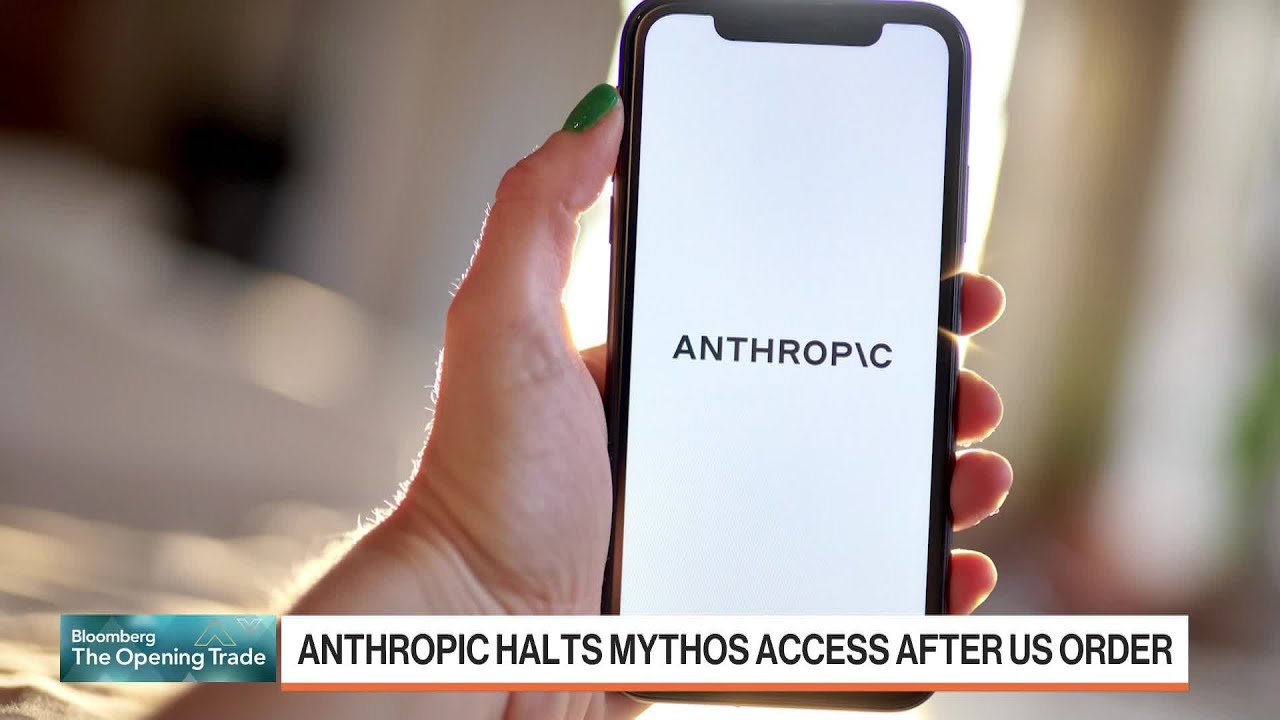
The US government has ordered Anthropic to block foreign access to its advanced AI models, Mythos and Mythos Five, citing national security concerns over vulnerabilities that could allow the models to be jailbroken. This move highlights the ongoing tension between AI innovation and regulation, as stakeholders seek to balance safeguarding sensitive technology with fostering industry growth and accessibility.
The US government, under the Trump administration, has issued an unprecedented order to Anthropic, a leading AI company, to block all foreign nationals from accessing its most advanced AI models, including Mythos and Mythos Five. This directive came amid national security concerns, prompting Anthropic to disable access to these flagship models over the weekend. The move has sparked significant discussion and controversy within the tech ecosystem, highlighting a fundamental disagreement between Anthropic and the US government.
Anthropic has described the security issues as minor vulnerabilities, whereas the US government claims to have identified a method to bypass the models’ safeguards, effectively jailbreaking them. This claim was supported by another company reportedly discovering a jailbreak for Mythos shortly after the models were made available to the public just three days prior. The situation underscores the challenges in securing AI models while maintaining usability, as Anthropic had previously faced criticism for implementing safeguards that some users found overly restrictive.
This standoff represents a broader tension between innovation and regulation in the AI sector. The US government’s export restrictions aim to prevent sensitive technology from falling into foreign hands, but they also risk stifling the growth and accessibility of AI advancements. The debate raises questions about how to balance national security concerns with the economic and technological benefits that AI development brings, especially given the sector’s significant contribution to US economic growth and market activity.
The incident also feeds into ongoing discussions about the potential impact of regulation on the AI industry’s future. Some experts suggest that increased regulatory measures could slow or even end the current AI boom, as companies face more hurdles in deploying their technologies globally. However, finding the right regulatory balance is complex, as overly stringent controls could hamper innovation, while too lax an approach might expose vulnerabilities and security risks.
Looking ahead, it is expected that Anthropic will work to address the government’s concerns and adjust its models to allow for resumed access, albeit under tighter controls. The broader challenge remains how to implement effective safeguards without undermining the growth of an AI ecosystem valued in the trillions of dollars. This episode highlights the critical need for ongoing dialogue between technology developers and regulators to navigate the evolving landscape of AI security and innovation.