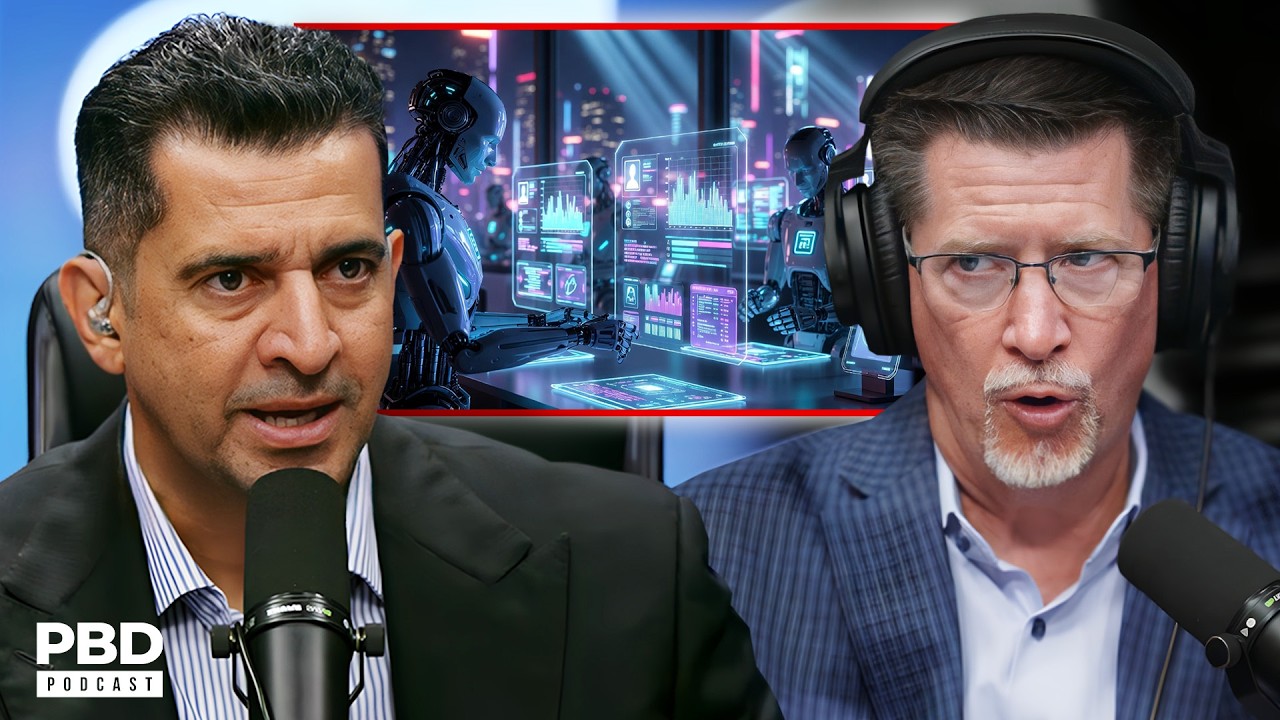
The video explores the impact of AI technologies like persuasion bots and simulated voters on the 2028 election, highlighting concerns about misinformation, voter manipulation, and the challenges social media platforms face in combating these threats. It emphasizes the need for voter vigilance, critical thinking, and fact-checking to preserve democratic integrity amid increasing AI-driven political influence.
The video discusses the upcoming 2028 election, which is predicted to be the first “AI election,” where artificial intelligence will play a significant role both as a policy topic and as a tool for political influence. AI technologies such as persuasion bots, simulated voters, and AI-driven social media amplification are expected to be widely used by campaigns and bad actors alike. Persuasion bots can engage voters in conversations mimicking candidates’ voices, while simulated voters help refine campaign messaging. Additionally, AI can flood social media with content to amplify certain views, potentially shaping public opinion and even influencing how AI language models respond to political queries.
The hosts express concern about the darker side of AI in elections, particularly the rapid spread of misinformation and fake news amplified by AI-generated bots. They highlight the challenge social media platforms face in monitoring and filtering false information that can deceive voters quickly. The conversation also touches on the difficulty of combating these tactics, especially given the speed and scale at which AI can operate, raising fears about voter manipulation and the integrity of democratic processes.
A broader skepticism about political parties and media control is voiced, with one host arguing that both major parties are influenced by powerful, unseen forces that manipulate media narratives and public opinion. This perspective suggests that the real issue is not just AI or political parties but the overarching control exerted by elites who shape political outcomes and public discourse. The discussion emphasizes the need for voters to be vigilant and critical, as traditional journalism and media trustworthiness are perceived to be in decline.
The conversation also highlights the vulnerability of different demographics to AI-driven manipulation, particularly older voters who may be more susceptible to phone scams and deceptive calls. However, younger voters are not immune, as AI-generated content and deepfakes become increasingly sophisticated and pervasive. The hosts stress the importance of individual responsibility in verifying information and resisting the urge to accept content at face value, advocating for a mindset of skepticism and fact-checking in the digital age.
In closing, the hosts encourage viewers to adopt a cautious approach to consuming information, urging them to “stop, think, and verify” before accepting anything as true. They underscore that in an era dominated by AI and misinformation, personal vigilance is crucial to maintaining informed decision-making. The video ends with a promotion for the upcoming Vault Conference, highlighting its relevance across industries and inviting viewers to engage in networking and learning opportunities to better navigate the challenges of the modern information landscape.