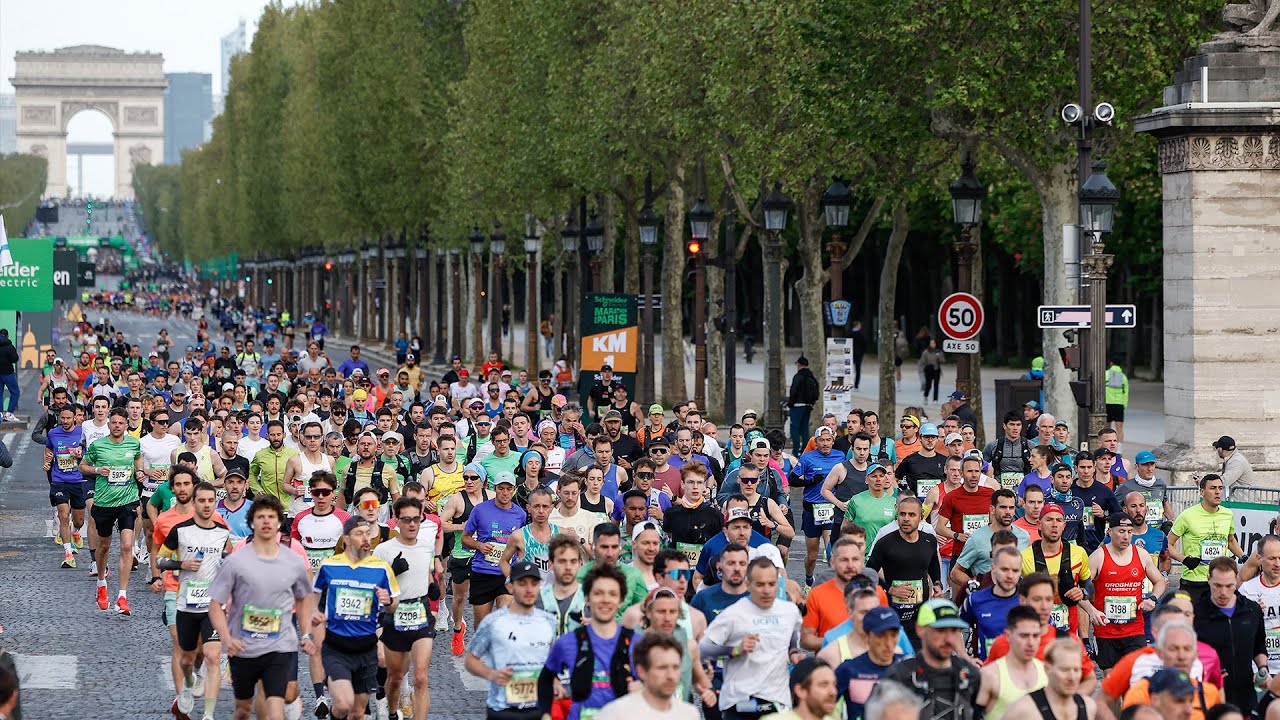
The speaker shares their experience using ChatGPT to create a personalized and adaptive marathon training plan, highlighting its advantages in structure and responsiveness compared to traditional methods. While acknowledging AI’s limitations and occasional inaccuracies, they see its potential as a valuable complement to human coaching for making fitness training more accessible and tailored.
The video features a conversation about using ChatGPT to train for a marathon, focusing on one person’s experience with running and training. The speaker admits to not being a natural marathon runner, recounting a disastrous attempt at the Marine Corps Marathon over ten years ago, which left them with injuries and a strong reluctance to try again. Despite this, they decided to challenge themselves by attempting to get into better shape and complete a marathon, but this time with a different approach to training.
Instead of relying on traditional methods like human coaches or popular fitness apps such as Strava, the speaker chose to experiment with artificial intelligence, specifically ChatGPT, to create a personalized training plan. Living in San Francisco, a hub for AI innovation, they were inspired by the optimistic and experimental culture surrounding AI technology. Their curiosity about the capabilities and limitations of AI motivated them to use themselves as a test case for AI-driven fitness coaching.
The training regimen developed by ChatGPT was notably more structured and responsive than previous plans the speaker had followed. By inputting detailed information about their past fitness activities and current condition, the AI generated a plan that involved running five to six days a week with adjustments based on ongoing feedback. This level of personalization and adaptability was something the speaker had not experienced before and highlighted the potential for AI to enhance fitness training by responding dynamically to the user’s needs.
However, the speaker also acknowledged the limitations of AI in this context. At times, the AI began to “hallucinate,” or produce less relevant or confusing advice, especially when overwhelmed with too much information. This highlighted that while AI can be a powerful tool, it is not a perfect solution and requires careful management and human oversight. The conversation also touched on the future potential of AI in fitness, with developers aiming to create even more responsive and intelligent training apps.
In conclusion, the speaker expressed a balanced view on using AI for marathon training. They would likely combine human coaching with technology in future endeavors, recognizing that while AI can make training more accessible and affordable, it cannot entirely replace the value of human guidance. The integration of AI in fitness holds promise for making personalized training plans more widely available, but it is best used as a complement rather than a complete substitute for traditional methods.