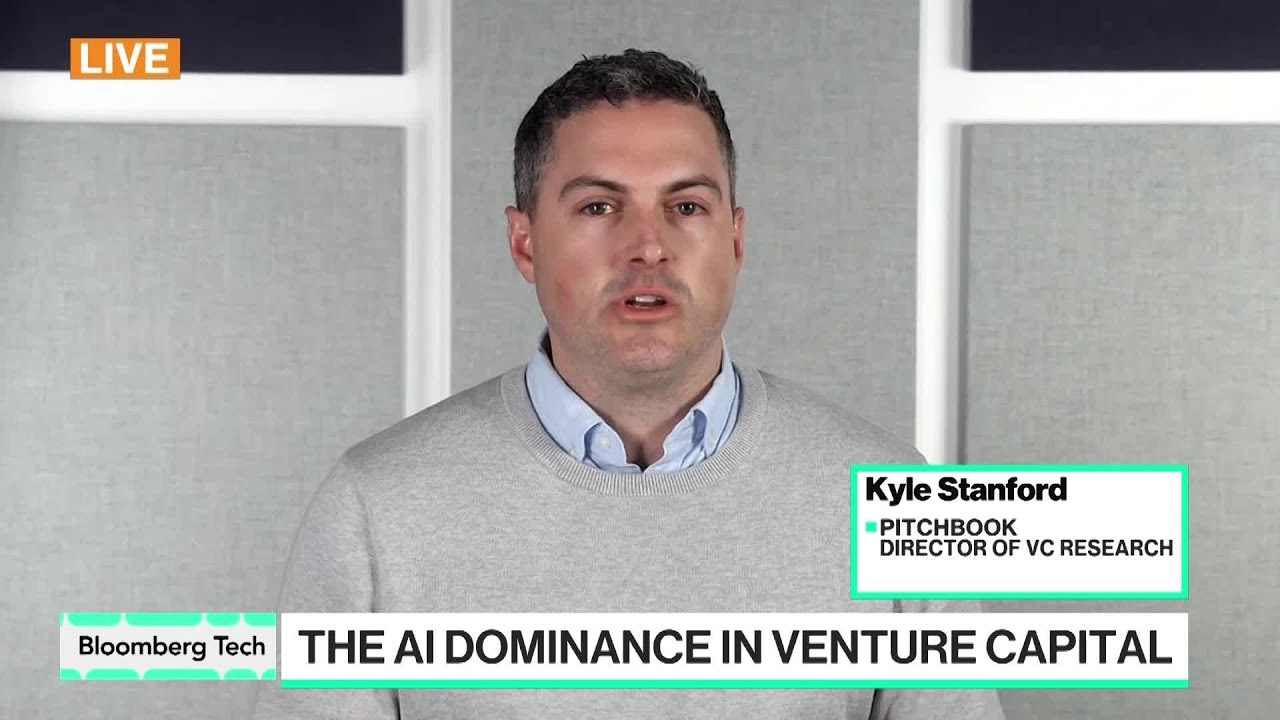
The current venture capital (VC) landscape is marked by an extraordinary influx of capital, but this funding is heavily concentrated in a small number of companies, primarily those involved in artificial intelligence (AI). Data shows that 91% of the capital went to deals of $100 million or more, with 73% of that amount directed to just five companies, including Databricks. This intense focus on AI has left many non-AI companies, such as traditional enterprise SaaS and other business models, struggling to secure funding, creating a stark divide in the market.
This divide has led to a phenomenon where many companies, often referred to as “zombie companies,” are unable to raise new funds and remain stuck in down rounds or stagnant financial positions. Approximately 25% of the nearly 900 unicorns in the U.S. have not raised capital since 2022. These companies, once considered strong and promising in 2021 and 2022, are now facing significant challenges in the current market, with some potentially forced to accept lower exits or seek alternative restructuring options like SPACs.
Recent activity indicates that some major VC firms, such as Sequoia, are raising substantial funds—reportedly $7 billion—to invest in late-stage AI companies. This trend suggests that companies are staying private longer, with investors eager to maintain or increase their stakes in these high-profile firms. Limited partners (LPs) are keen to gain exposure to leading AI companies like Anthropic, SpaceX, and Databricks, anticipating that these firms will eventually go public, albeit on a delayed timeline compared to previous years.
The IPO market remains cautious, with a limited pipeline of VC-backed companies going public as investors await the performance of major upcoming IPOs. Companies like SpaceX and Discord have confidentially filed or filed without significant progress, reflecting uncertainty about public market appetite. The market is closely watching how these large AI-driven companies perform post-IPO, as their success or failure will influence investor confidence and valuations for other VC-backed firms.
There is concern among VC-backed companies about competing with AI giants like Anthropic and OpenAI, especially as these incumbents launch competitive products that could disrupt existing markets. The performance of companies like Figma, which saw its stock affected following Anthropic’s new product announcement, exemplifies the challenges faced by firms in this environment. Overall, the VC ecosystem is navigating a complex landscape where AI dominates funding and market dynamics, leaving many traditional startups in a precarious position.