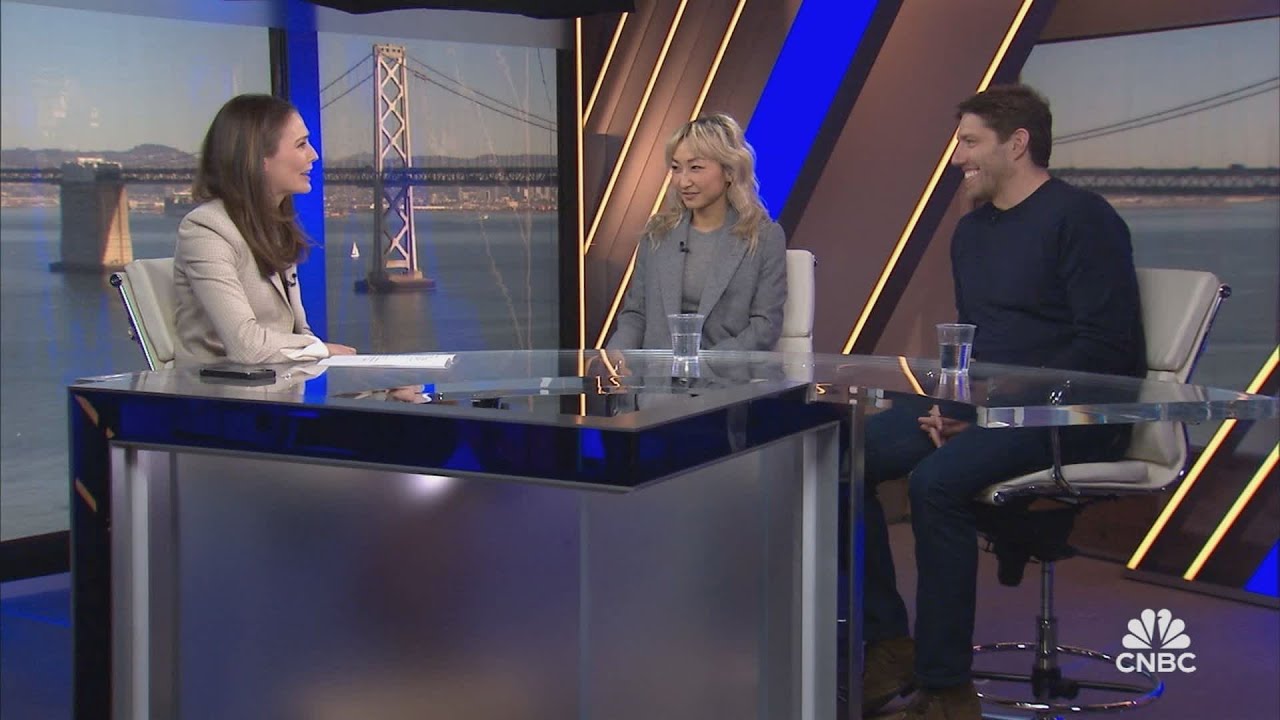
In a recent discussion, venture capital veterans Sarah and Mark shared insights about their experiences in the evolving landscape of Silicon Valley venture capital, particularly focusing on their transitions from established firms to founding their own funds. Sarah, who started Conviction two years ago after leaving Greylock, emphasized the entrepreneurial spirit she missed in larger firms and the excitement of backing innovative technology companies, especially in the AI sector. Mark, co-founder of another new venture, echoed similar sentiments, noting the misalignment he observed in larger funds and the opportunity to create a more focused, hands-on investment approach.
Both investors discussed the challenges of deal flow after leaving their established firms, acknowledging initial fears about whether they could attract entrepreneurs based on their personal reputations rather than the brand of their previous firms. They highlighted that while large funds have the advantage of brand recognition, smaller, more nimble firms can compete effectively by offering personalized support and expertise. The conversation also touched on the maturation of the venture capital industry, with larger firms becoming multi-stage and multi-product, which can dilute their focus and speed compared to boutique firms.
The discussion shifted to the current state of the AI hype cycle, with both Sarah and Mark expressing cautious optimism about the technology’s potential. They noted that while there is significant excitement surrounding AI, there is also a need for tangible results and user value to sustain investment interest. Mark pointed out that 2023 would be a critical year for AI, where entrepreneurs must demonstrate real-world applications of their technologies to avoid disillusionment among investors and users alike.
As they explored the implications of the recent economic environment, particularly the transition from a zero-interest-rate policy (ZIRP) to a higher rate environment, both investors acknowledged the challenges faced by companies that raised large amounts of capital during the ZIRP era. They discussed the emergence of “zombie companies” that may survive but struggle to thrive, and how this could lead to a talent shift towards more promising ventures, particularly in AI. The conversation highlighted the importance of capital efficiency and the need for startups to maintain a sustainable burn rate.
Finally, Sarah and Mark reflected on the current vibe in Silicon Valley, noting a renewed sense of excitement driven by advancements in AI and the consolidation of tech talent in the region. They expressed optimism about the future of venture capital, emphasizing the potential for innovative secondary markets and increased M&A activity as companies adapt to changing market conditions. Overall, the discussion underscored the dynamic nature of the venture capital landscape and the opportunities that lie ahead for both investors and entrepreneurs.