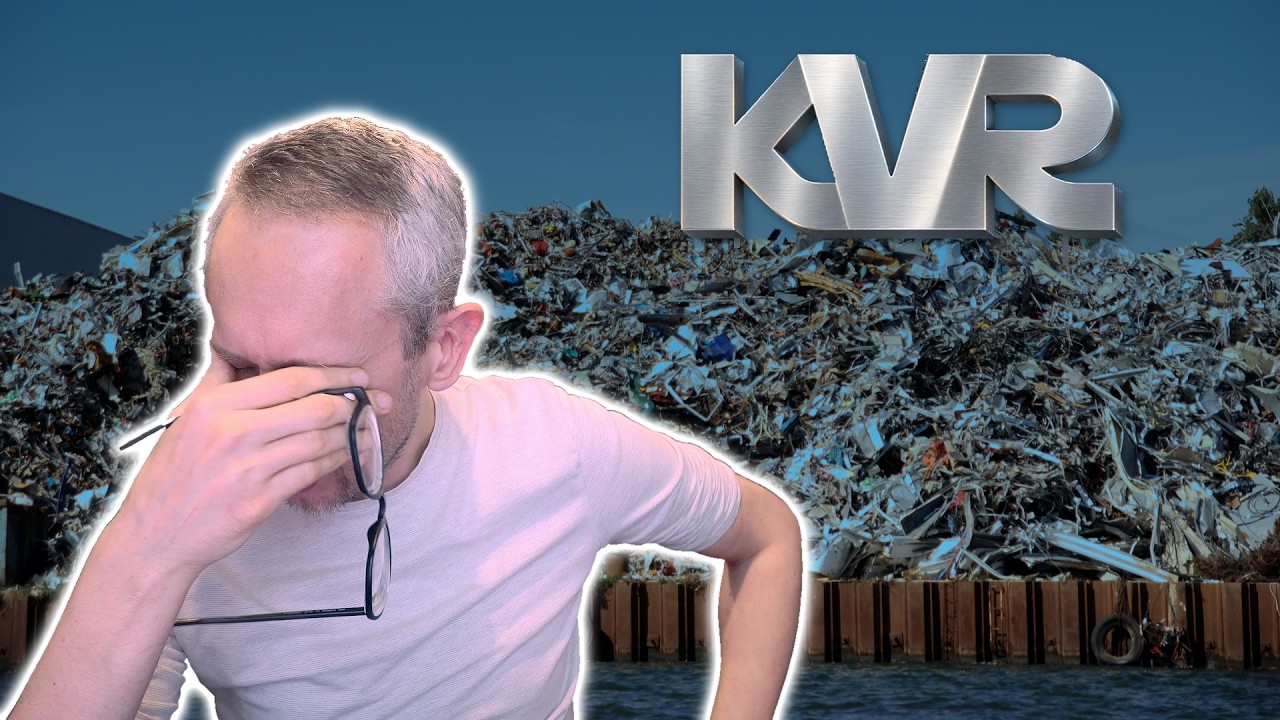
In this video, Paul discusses the overwhelming influx of “vibe coded” plugins and software flooding the music production market, many of which are clones or reverse-engineered copies of popular tools like Pro Tools or Adobe suites. He highlights that while clones can mimic the look and feel of original software, they often lack true functionality and are riddled with bugs, making them unreliable. Paul emphasizes that copying software superficially without understanding its core purpose leads to legal and practical issues, and many of these products are essentially “AI slop”—superficial and poorly made tools that do not serve users well.
Paul points out the sheer volume of new developers and plugins appearing daily, many of whom lack the necessary design, coding, and business skills to create stable, usable products. This flood of low-quality plugins creates noise in the market, making it difficult for users to find reliable tools. He criticizes platforms like KVR for not filtering or qualifying these plugins, resulting in a cluttered marketplace filled with unverified and often unusable software. This situation is frustrating for users who want to explore new tools but risk wasting time and money on unstable or unsupported products.
For users, this glut of low-quality plugins is a trap because it leads to disappointment, wasted resources, and frustration. Many of these plugins may not work properly on all machines, lack proper installation or customer support, and are often abandoned by their creators after minimal sales. Paul stresses that traditional human-run businesses, with their experience and customer care, provide a more stable and trustworthy environment for software users. Without this, buyers are left vulnerable to unreliable products and poor service.
For new developers, the market is equally challenging. Paul shares his own experience developing a synthesizer over three years, combining human expertise with AI tools for prototyping and bug fixing. He stresses that AI is a tool to empower human teams, not replace them, and that building a successful product requires competence, business acumen, and customer relationships. The current market saturation makes it difficult for new developers to stand out, and many will fail due to lack of experience and support infrastructure.
Paul predicts that while AI will improve plugin development, the flood of low-quality “vibe coded” products will eventually subside, with users returning to trusted, established companies like Universal Audio, Native Instruments, and FabFilter. He plans to help users navigate this chaotic market by reviewing and warning about poor-quality AI-generated plugins on his channel, aiming to save them time and money. Ultimately, Paul encourages viewers to be cautious and hopes his efforts will help filter out the noise and highlight genuinely valuable tools.
Useful Links