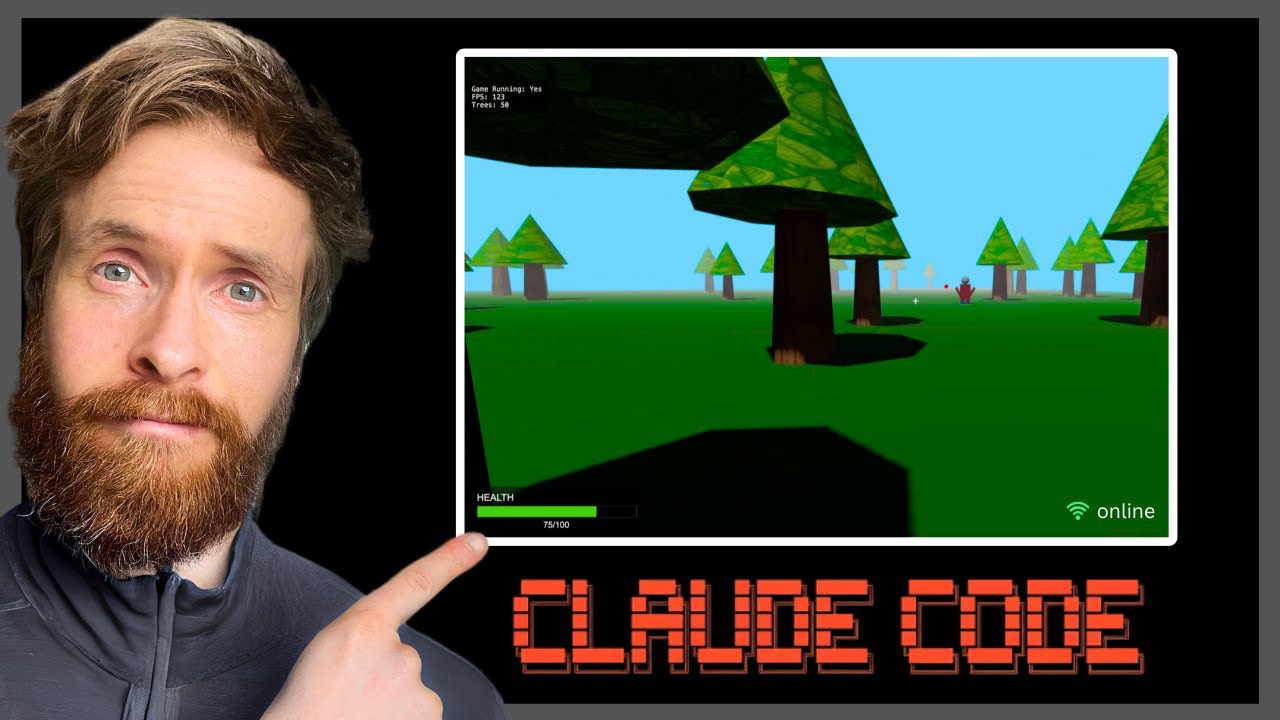
In the video, the creator develops a multiplayer FPS game using Vibe coding and 3js, starting with a one-on-one shooter against an AI to test game mechanics. They share insights on utilizing documentation, overcoming coding challenges, and ultimately deploying the game online while transitioning it into a multiplayer experience.
In the video, the creator embarks on a journey to develop a multiplayer first-person shooter (FPS) game using Vibe coding and the 3D JavaScript library, 3js. The initial setup involves creating a one-on-one FPS shooter against an AI, which serves as a testing ground for the game mechanics. The creator shares a unique approach by utilizing a vector database that contains the full documentation of the 3js library, allowing for efficient coding and debugging. This setup is intended to streamline the development process and reduce errors while implementing various game features.
The creator begins by designing the game environment, focusing on a compact map with walls to restrict player movement. They utilize voice-to-text commands to facilitate coding and quickly generate the initial layout of the game. As the development progresses, they introduce elements such as fog for atmosphere and start adding objects like buildings to create an urban setting. The creator emphasizes the importance of documentation in this phase, using the file search tool to find best practices for implementing game features.
As the game takes shape, the creator encounters challenges with player movement and collision detection. They decide to refactor the code to improve organization and debugging capabilities. After resolving issues related to player movement and object collisions, they successfully implement a shooting mechanic, allowing players to fire arrows that interact with the game environment. The creator also integrates sound effects and textures to enhance the gaming experience, showcasing the importance of visual and auditory elements in game design.
With the core mechanics in place, the creator shifts focus to adding an AI opponent that can actively engage with the player. They work on making the AI more aggressive and capable of navigating the map while firing arrows. A health system is introduced, allowing both the player and the AI to take damage, which adds a competitive element to the gameplay. The creator also experiments with textures for the game environment, enhancing the visual appeal and realism of the game.
Finally, the creator successfully deploys the game online using Vercel and GitHub, allowing others to play it. They then tackle the challenge of converting the game into a multiplayer experience, enabling two players to compete against each other. After implementing a matchmaking system and testing the multiplayer functionality, the creator reflects on the overall development process, sharing insights about the importance of documentation and effective coding practices. The video concludes with the creator expressing their enjoyment of the project and their plans to continue refining the game in the future.