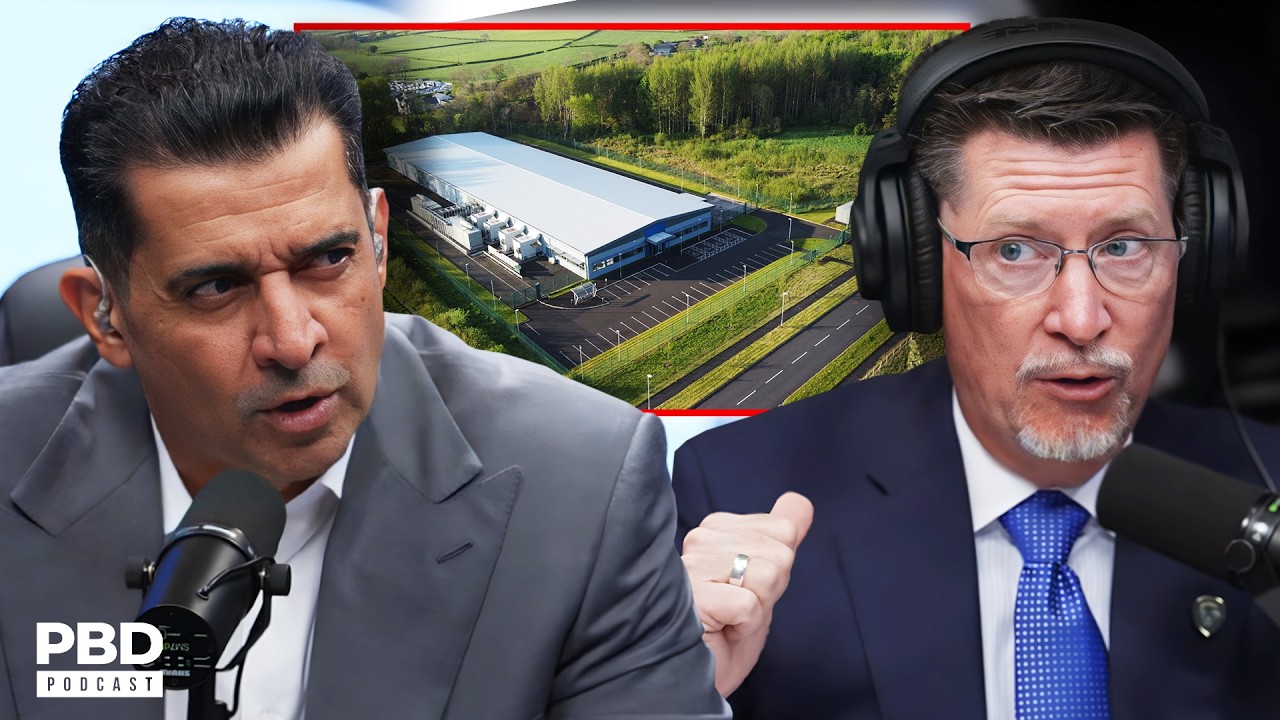
Missouri residents successfully voted out city council members who approved a $6 billion AI data center project due to concerns over rising electricity costs and environmental impacts, reflecting growing local opposition to energy-intensive data centers amid limited power infrastructure. The video highlights broader national challenges with energy supply, the need for better policies supporting affordable power, and the critical role of local politics in shaping community decisions on such developments.
The video discusses the recent political backlash in Missouri, where voters ousted four city council members who had approved a $6 billion AI data center project. The opposition stemmed from community concerns about the environmental and economic impacts of the data center, particularly its effect on local electricity costs. Residents rallied against the project, demanding more transparency and expressing fears that the data center would exacerbate already rising power prices. This local revolt highlights growing public resistance to large-scale data centers in certain communities.
The discussion then connects the Missouri situation to broader national energy issues. The speakers explain that the U.S. has not been approving enough new power plants, partly due to historical nuclear power disasters like Three Mile Island and Fukushima, which have made nuclear energy politically and socially contentious. Meanwhile, energy consumption continues to rise, driven by increased use of information technology and electric vehicles. This growing demand, combined with limited power supply, has led to higher electricity prices, making the addition of energy-intensive data centers a contentious issue.
Data centers require massive amounts of electricity, and their rapid expansion is straining the already limited power infrastructure. The video highlights that some states, like Maine, have moved to ban new data centers altogether in response to these concerns. Additionally, data centers often pay landowners significantly above market value to acquire property, which can create local tensions. The pipeline of planned data centers is facing increasing resistance from citizens, which is slowing construction and contributing to further electricity price increases for existing facilities.
The speakers also touch on efforts by major tech companies like Oracle and Google to build small modular nuclear reactors to power their data centers independently. They criticize current government policies for not adequately addressing the electricity shortage or protecting consumers from rising rates. The video calls for stronger legislation to support reliable and affordable energy production, emphasizing that the current situation is unsustainable and that citizens are increasingly mobilizing to oppose projects that threaten their energy costs and quality of life.
Finally, the video stresses the importance of local politics in shaping these outcomes. While national political figures often dominate media attention, it is local officials—mayors and city council members—who make critical decisions about projects like data centers. The speakers encourage viewers to engage with and understand their local governments, as these bodies have a direct impact on community issues such as energy infrastructure and development projects. The Missouri example serves as a reminder that grassroots political action can influence major economic and environmental decisions.