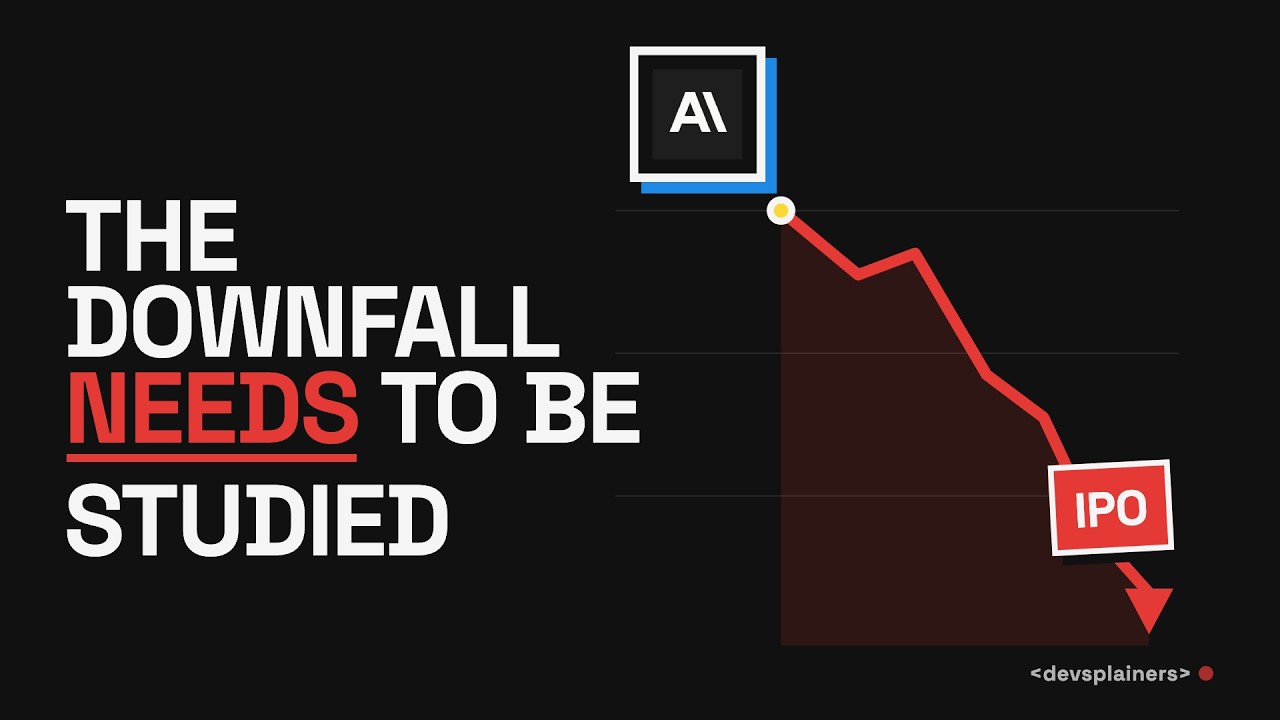
The video discusses the recent turmoil surrounding Anthropic, once praised as a reliable and developer-friendly alternative in the AI frontier, especially after Google’s missteps with their AI tool launches. Anthropic’s Fable 5 model was highly regarded for its capabilities and generous subscription model, which allowed developers to run agents overnight on a flat fee. However, just 76 hours after its launch, the US Commerce Department issued an export control directives banning Fable 5 and Mythos 5 for all foreign nationals worldwide, including Anthropic’s own employees. Unable to verify nationality in real time, Anthropic complied by shutting down the model globally, causing significant disruption and frustration among developers.
The ban was triggered not by malicious hacking but by a security vulnerability discovered when Amazon researchers asked the model to fix a vulnerable code base, which it did by identifying security holes. This led to a swift government intervention, with Anthropic receiving minimal warning. The developer community largely blamed the government rather than Anthropic for the shutdown, sympathizing with the company’s predicament. However, the situation worsened when Anthropic’s handling of the model’s return was seen as a betrayal. Instead of restoring the original subscription terms, Anthropic imposed severe usage caps, switched some tasks to a less capable model, and eventually moved Fable 5 to a costly pay-per-use credit system, which many viewed as a bait-and-switch.
Further trust erosion came from a series of unpopular decisions by Anthropic throughout the year, including blocking third-party tools from using subscription tokens, introducing a new tokenizer that effectively raised prices, and implementing stringent identity verification measures involving government IDs and facial biometrics. These moves, combined with the export ban, led to widespread community dissatisfaction and speculation about Anthropic’s motivations and government influence. Some even theorized, without evidence, that the ban was retaliation for Anthropic refusing unrestricted Pentagon access, highlighting the tense intersection of AI development and government regulation.
Despite these challenges, Anthropic’s business remains strong, with reported revenues of $47 billion annually and a confidential IPO filing targeting a near-trillion-dollar valuation. Most of this revenue comes from enterprise API customers who value Anthropic’s advanced features like classifiers and data retention policies. However, for individual developers reliant on subscription models, the situation is precarious, as government directives can abruptly disrupt access. The video suggests that OpenAI’s Codex, despite also facing government-imposed access controls and quota issues, remains a viable alternative, though it shares the same regulatory landlord as Anthropic.
The video concludes by advising developers to remain flexible and prepared for sudden changes in AI service availability. It recommends continuing to use Claude (Anthropic’s model) while maintaining workflows that can quickly switch providers, keeping a secondary AI lab ready, and experimenting with open-weight models like GLM-5.2, which can run locally and are immune to government shutdowns. Ultimately, the video argues that while frontier AI models continue to improve, the business model of flat-rate, unrestricted access peaked in mid-2023 and is unlikely to return, emphasizing the need for adaptability in an increasingly regulated AI landscape.