The video begins by discussing the release of Sonnet 4.6, a new AI model from Anthropic. The creator notes that Sonnet 4.6 is a significant improvement in intelligence, rivaling Opus 4.6, and is particularly strong at tasks involving convex reasoning. Historically, Sonnet has been positioned as a mid-tier, cost-effective model between the cheaper Haiku and the more expensive Opus. However, with recent pricing changes and Sonnet’s increased token usage, the cost advantage is less clear, as Sonnet can end up being nearly as expensive as Opus for certain tasks due to higher token consumption.
The focus quickly shifts from the technical merits of Sonnet 4.6 to broader criticisms of Anthropic as a company. The creator expresses frustration with Anthropic’s opaque and restrictive business practices, especially regarding their handling of developer subscriptions and API access. Anthropic has been accused of banning legitimate users and businesses, enforcing confusing and inconsistent policies about how their models can be used, and making it difficult for developers to build on top of their tools. The lack of clear communication from Anthropic’s leadership, particularly around the use of Claude Code subscriptions and the Agent SDK, has left many developers uncertain about what is allowed.
The video contrasts Anthropic’s approach with that of OpenAI, which the creator finds to be much more transparent, responsive, and developer-friendly. OpenAI is praised for its willingness to engage with the community, accept feedback, and allow developers to build alternative interfaces and tools using their models. In contrast, Anthropic is described as secretive, overly legalistic, and hostile to third-party innovation, often resorting to bans and legal threats rather than open dialogue. This has led to a perception that Anthropic is difficult to work with and out of touch with the needs of the developer community.
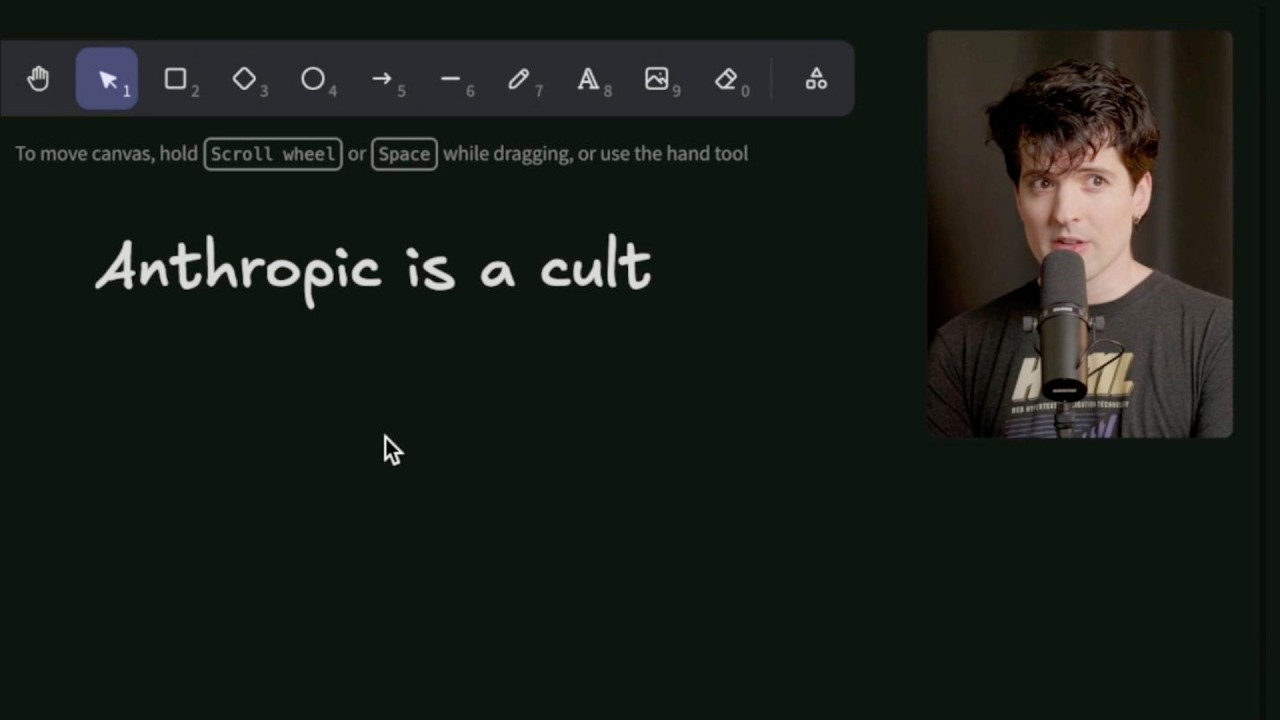
Beyond technical and policy issues, the creator criticizes Anthropic’s corporate culture, describing it as cult-like, insular, and driven by an inflated sense of moral superiority. The company is accused of acting as if it alone can save the world from unsafe AI, leading to an “us versus them” mentality that alienates outsiders and even its own employees. The video recounts anecdotes of employees feeling fearful and isolated, and of Anthropic’s leadership being more concerned with control and secrecy than with genuine engagement or transparency. The company’s lack of open-source contributions, aggressive DMCA takedowns, and exploitative influencer marketing practices are also highlighted as symptoms of deeper cultural problems.
In closing, the creator offers constructive criticism, urging Anthropic to drop its ego, embrace transparency, support open-source development, and empower its talented employees to engage openly with the community. The video suggests that Anthropic’s current trajectory is unsustainable and that meaningful change is needed if the company wants to maintain its relevance and positive reputation. Despite the technical strengths of Sonnet 4.6, the creator warns that Anthropic’s cultural and strategic missteps are undermining its position in the AI ecosystem, and encourages both the company and its employees to reflect and adapt before it’s too late.